Berlin Welcomes the Next Generation of Global Leaders
The Berlin Global Forum 2026, organized by the Organisation for Global Peace and Sustainability (OGPS), will be held in Berlin, Germany from November 6–9, 2026.
Bringing together 175 outstanding young leaders from over 100 countries, BGF 2026 serves as a global platform for leadership, diplomacy, policy dialogue, and international collaboration. Through high-level discussions, networking opportunities, and cross-sector engagement, participants will explore innovative solutions to today's most pressing global challenges while building meaningful connections across borders.
Welcome to Berlin
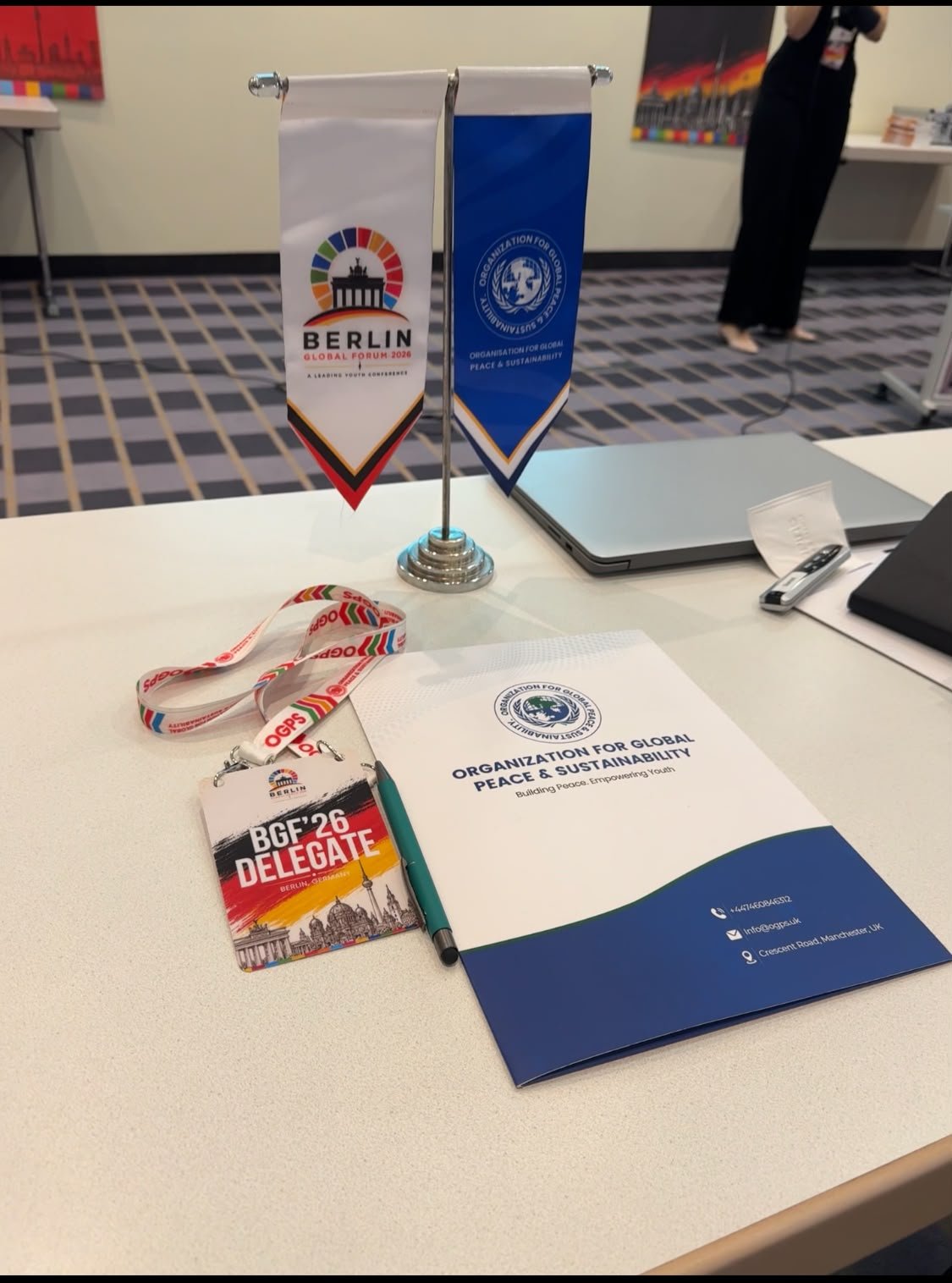
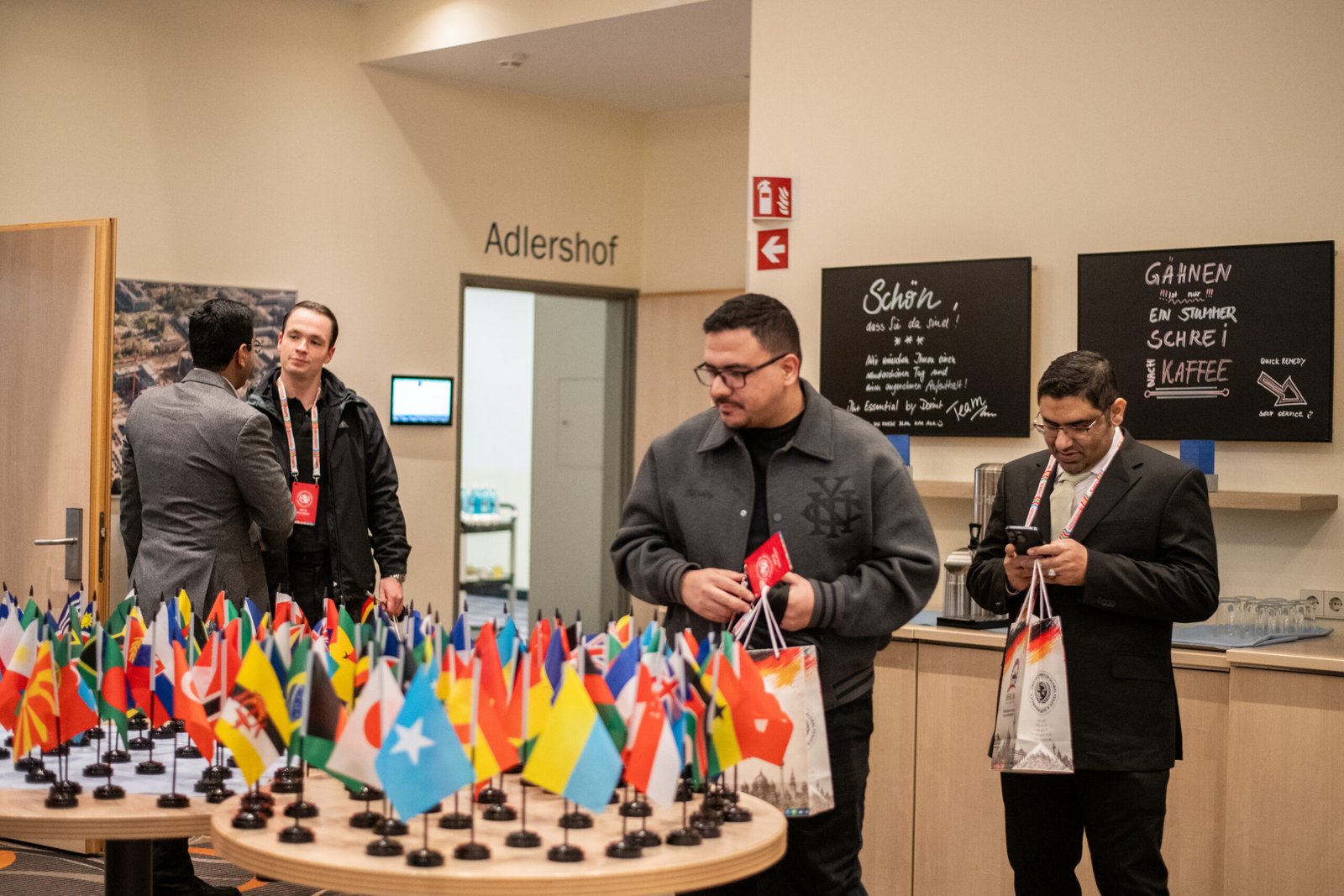
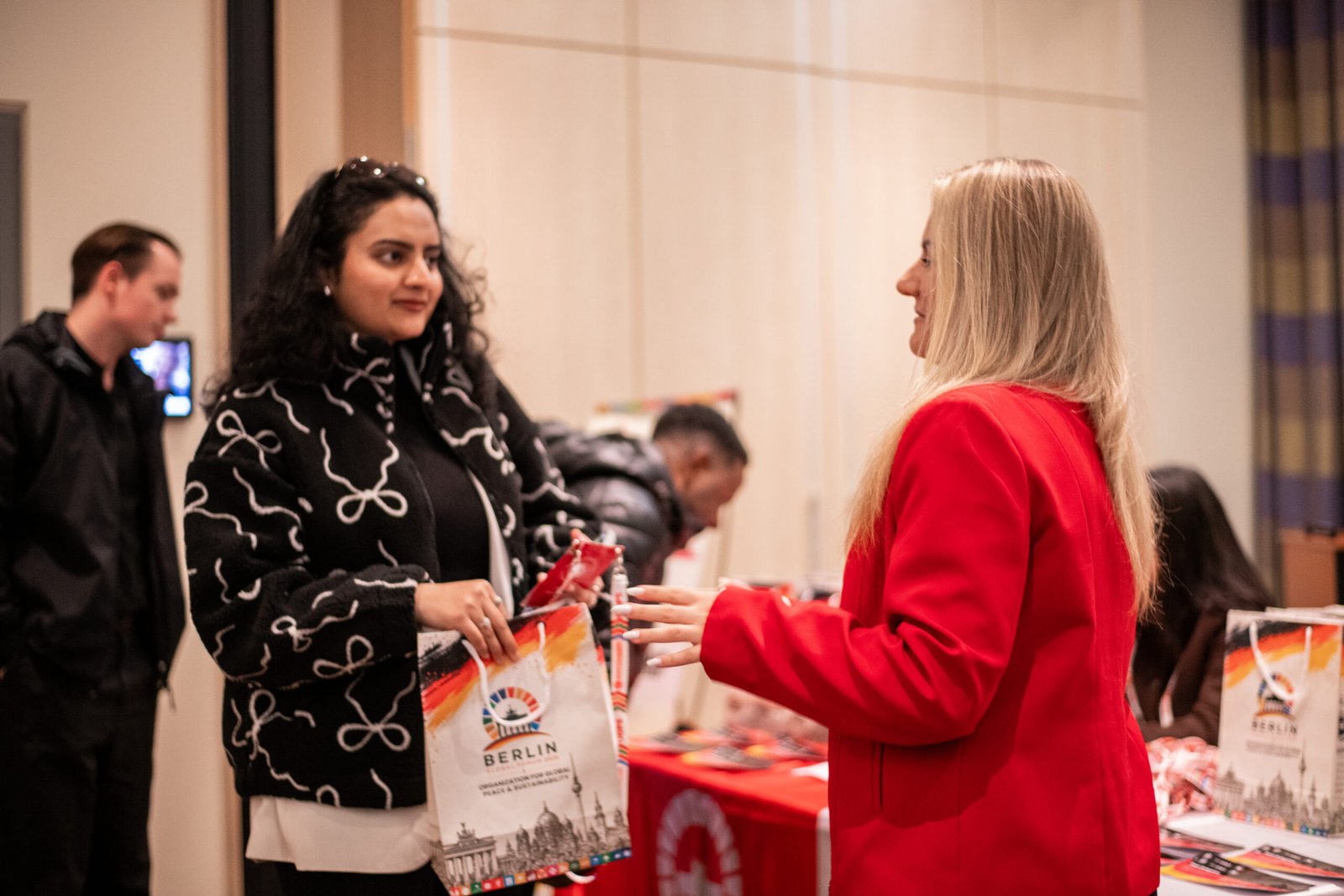
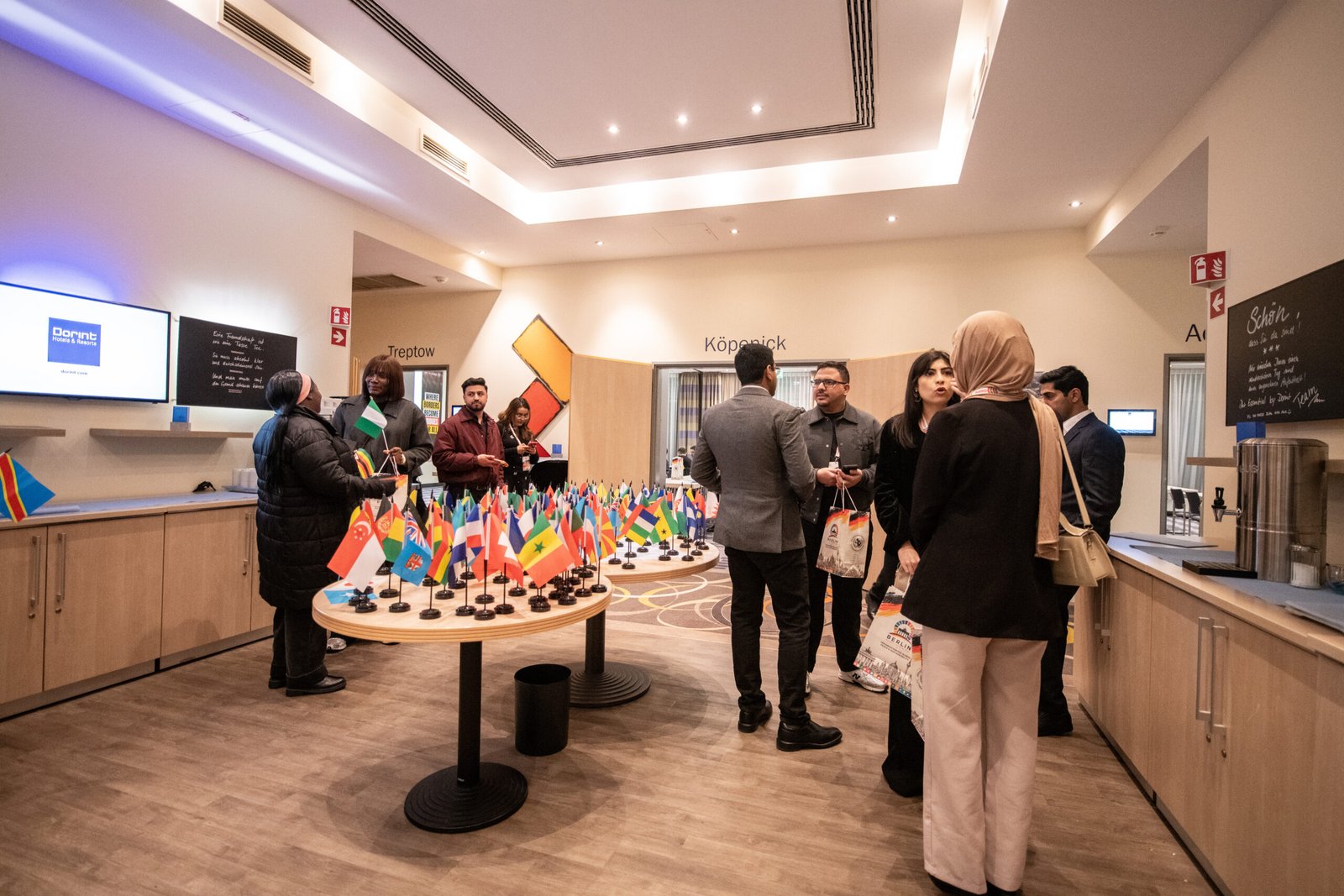
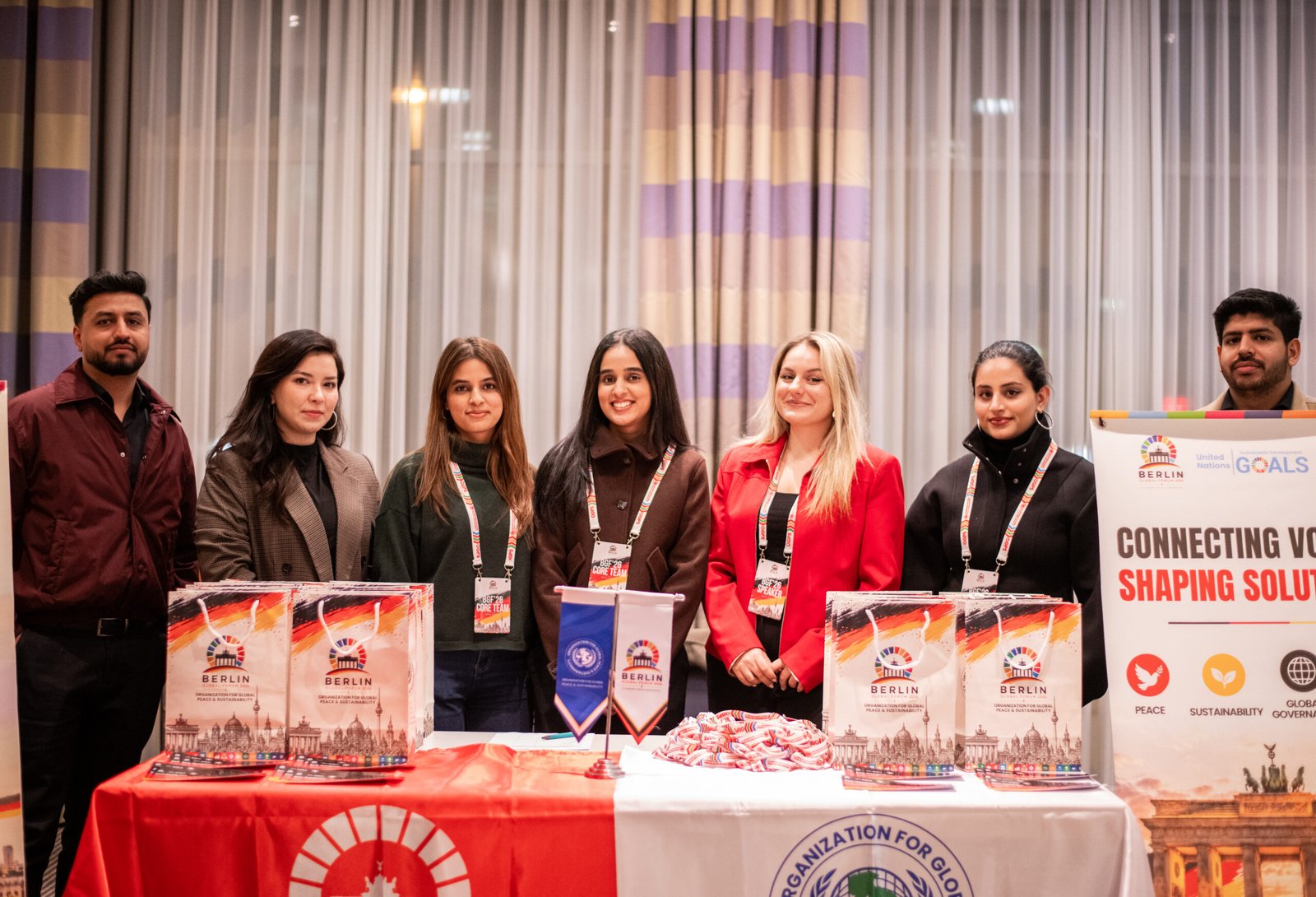
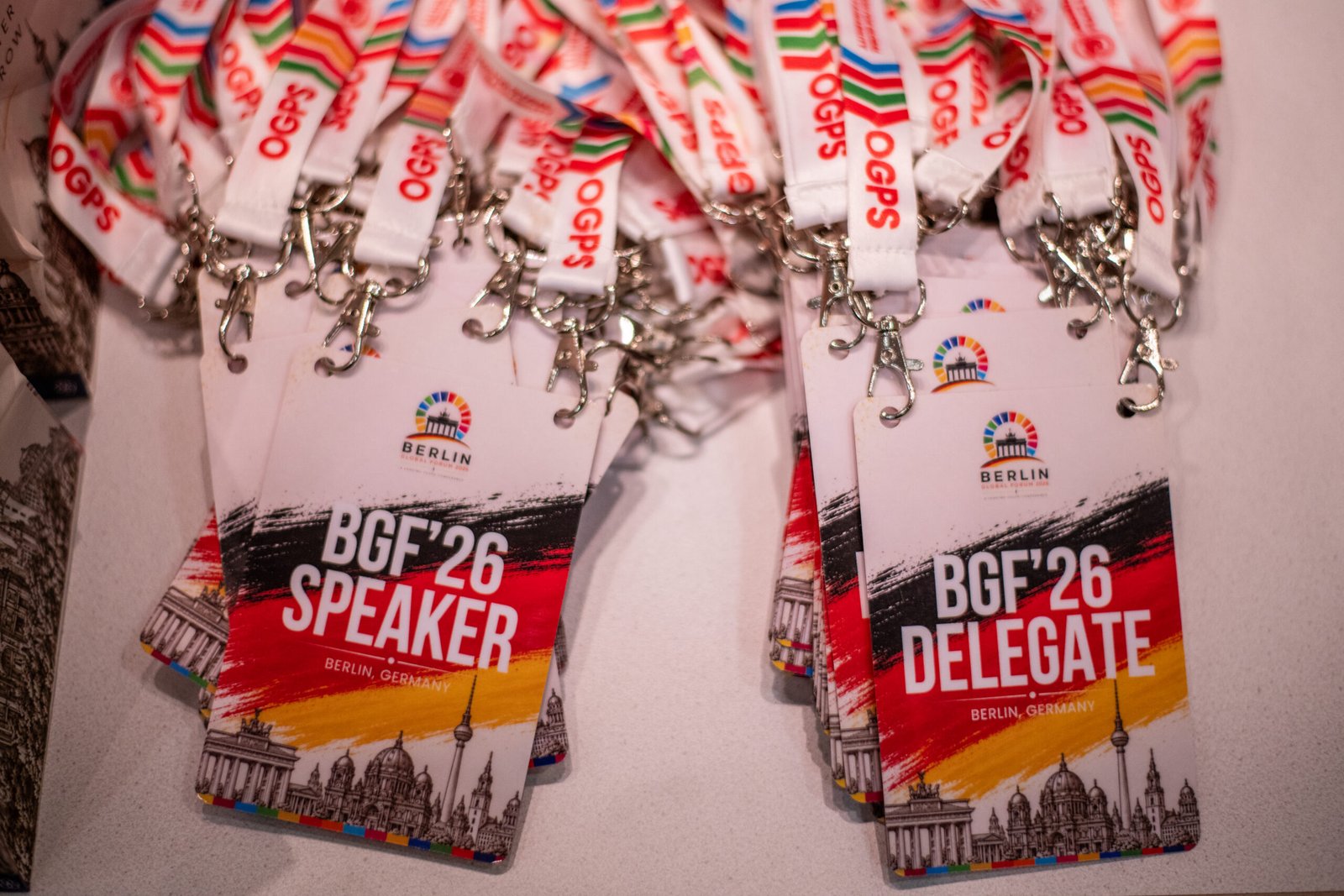
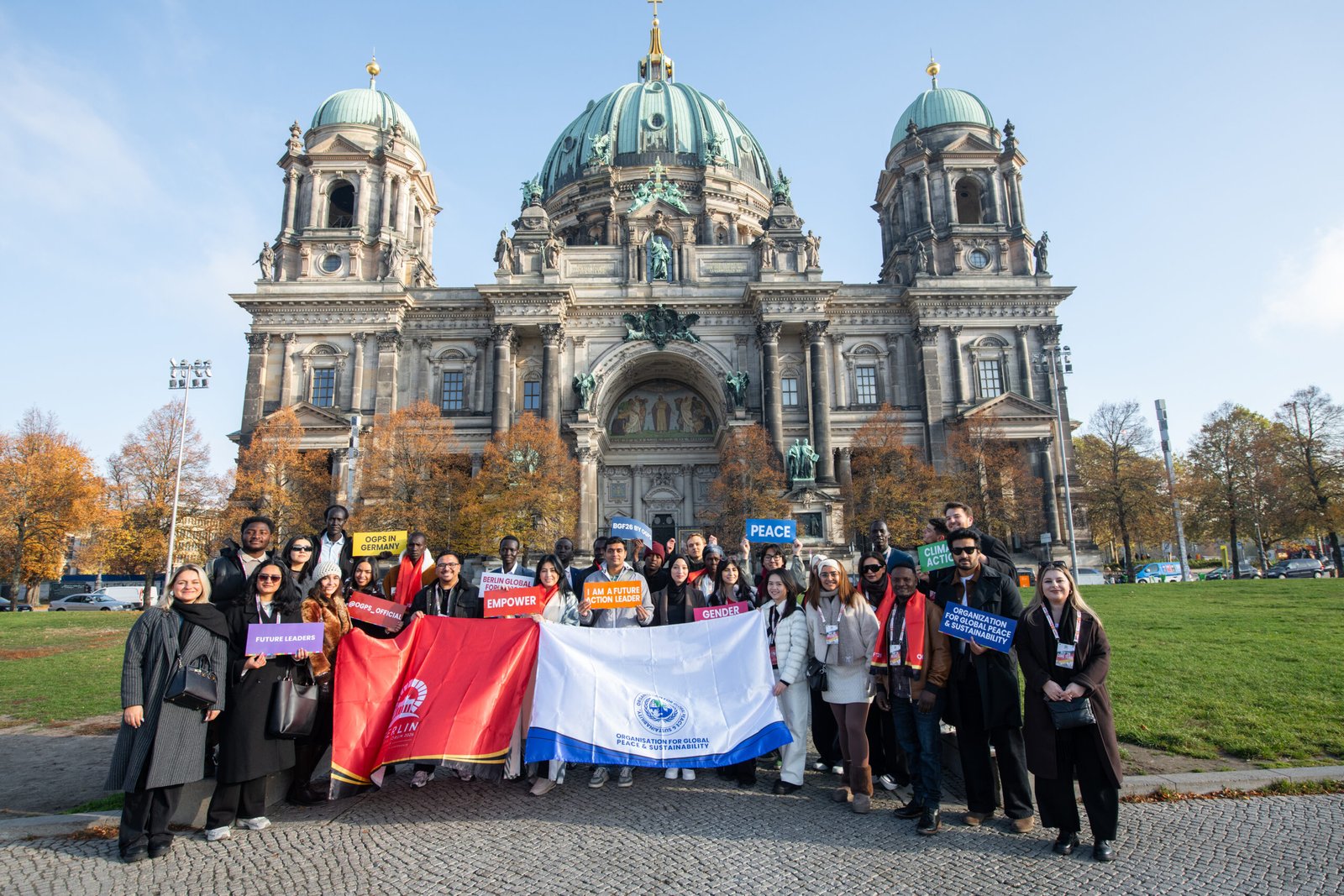
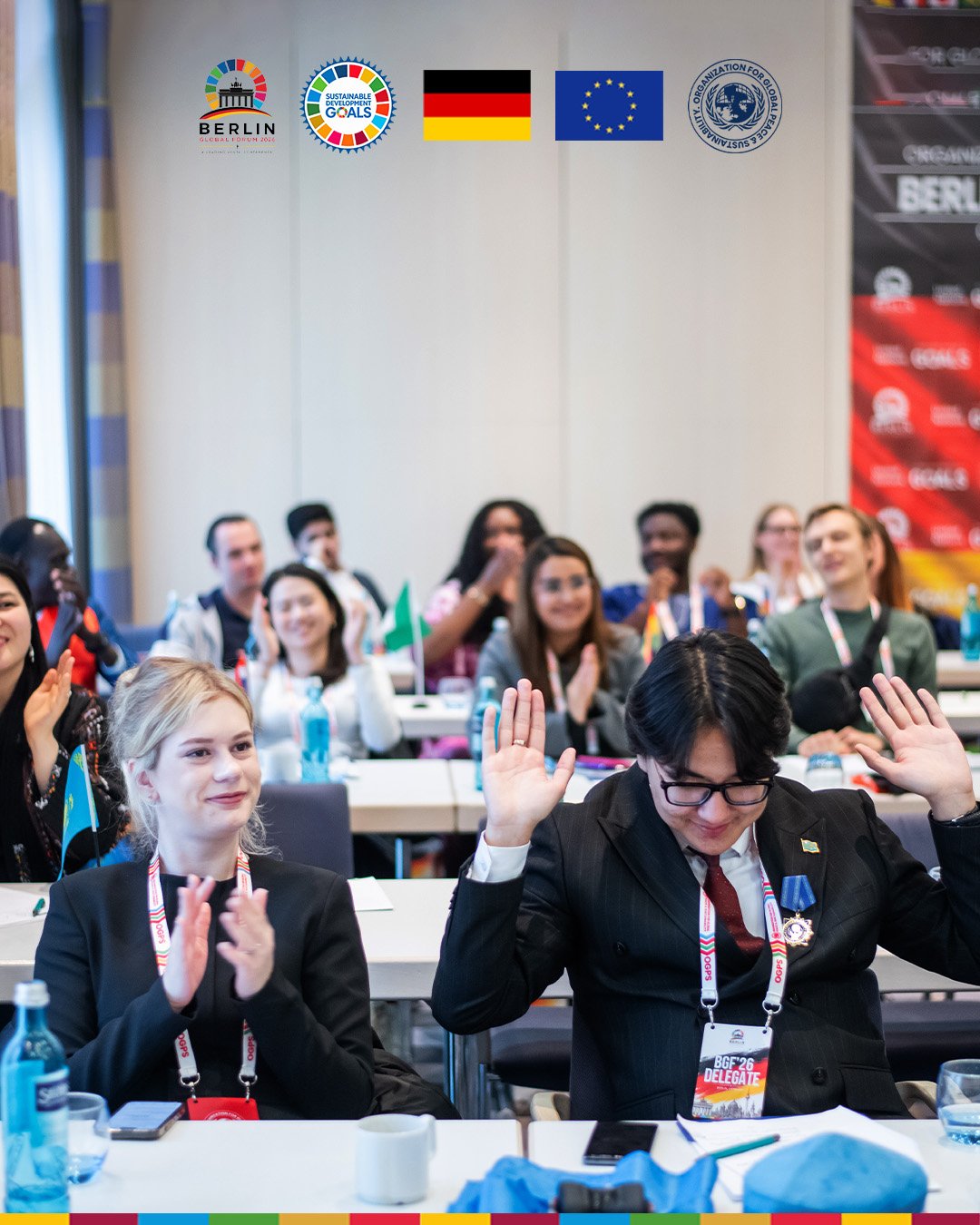
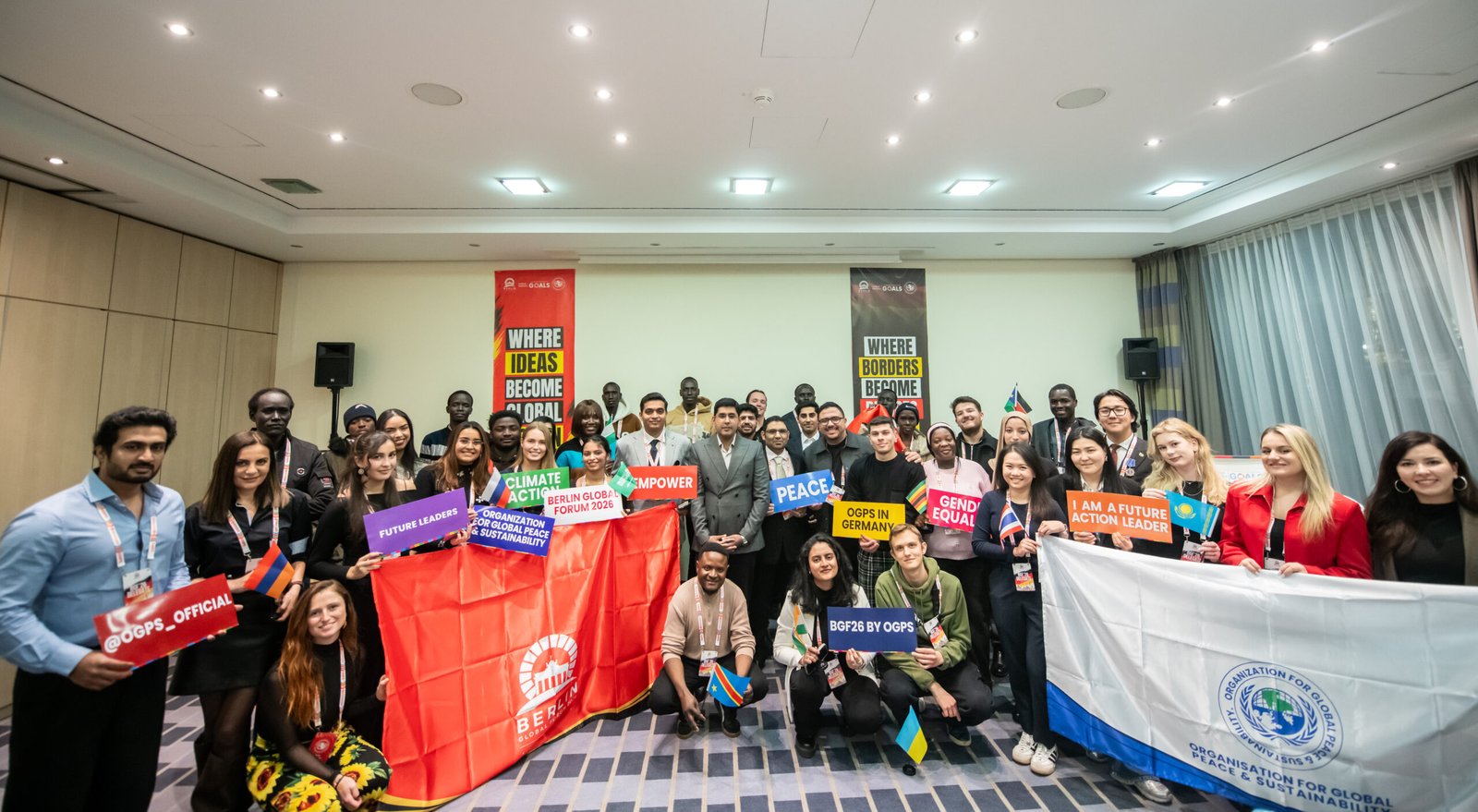
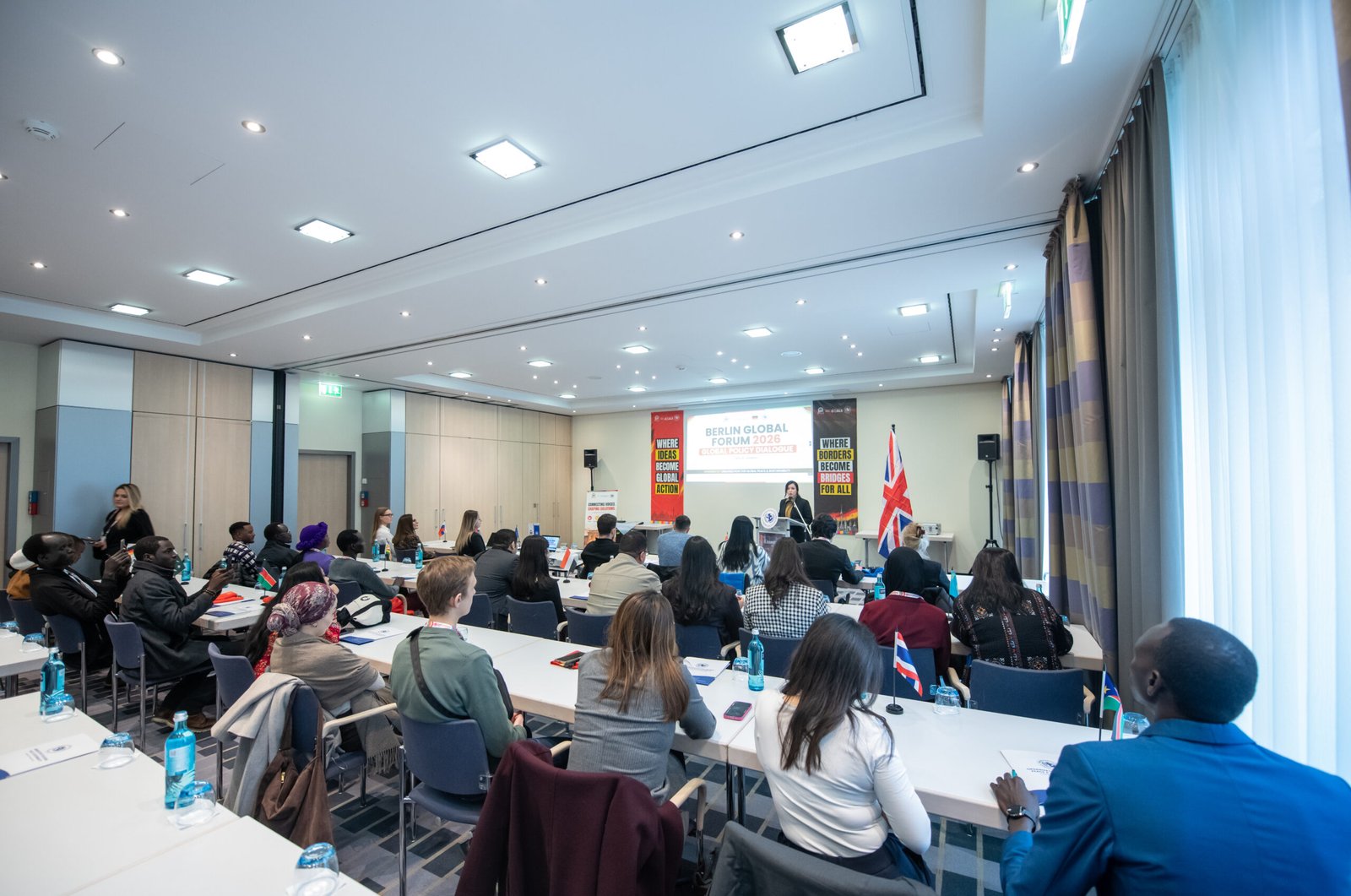
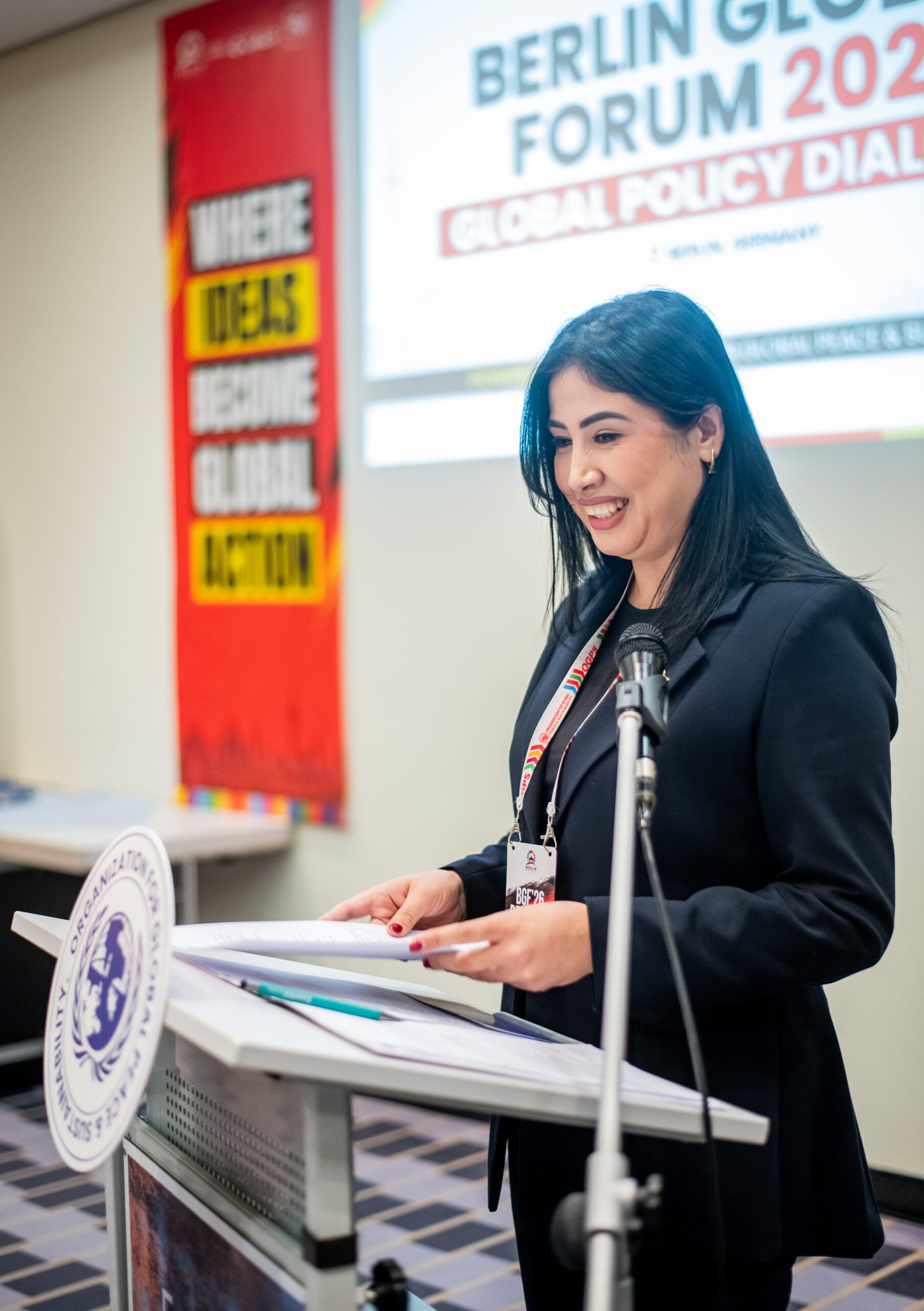
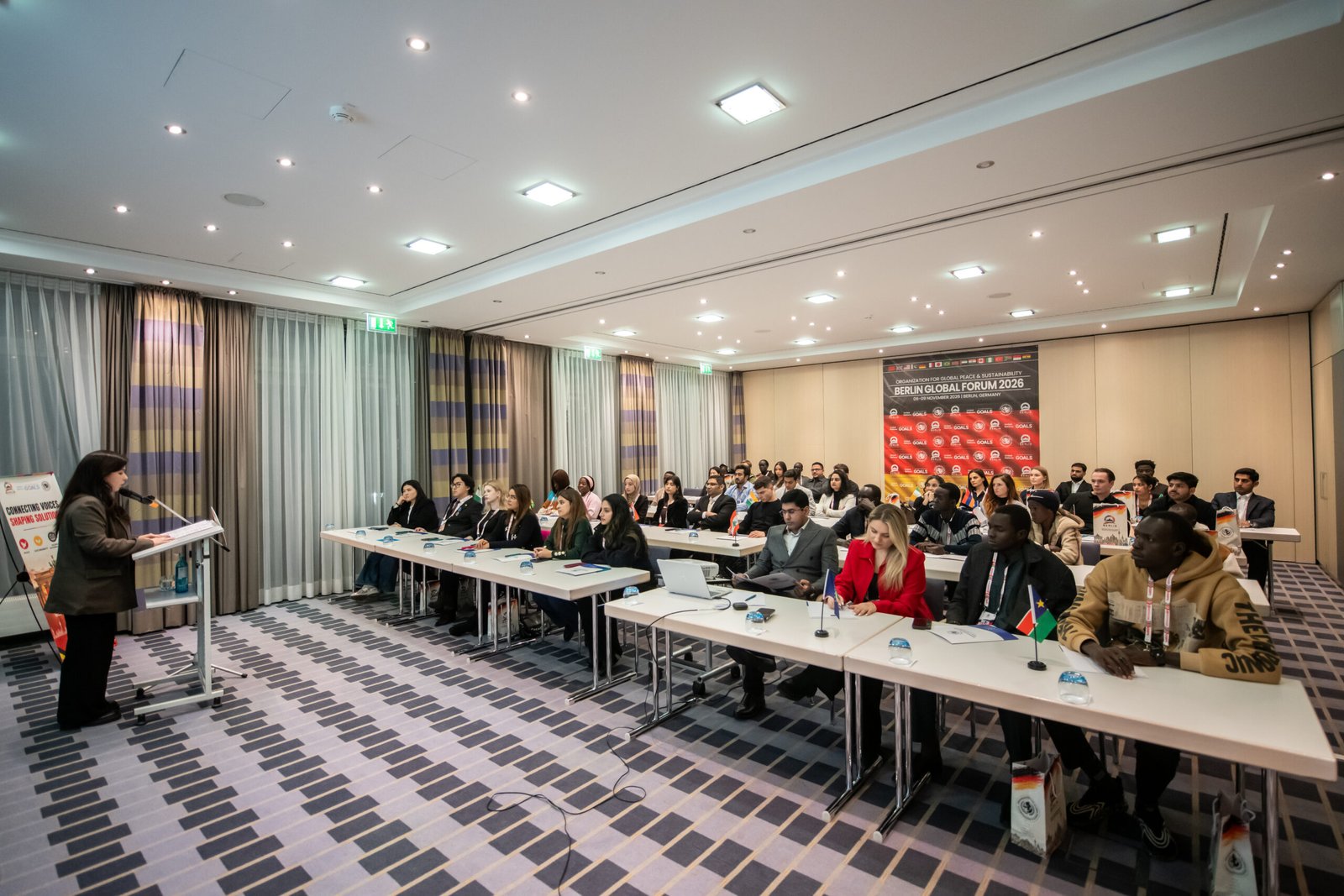
Delegates checked in, collected their badges and delegate kits, and the Forum opened with welcome addresses from the podium. Icebreakers like Two Truths and a Lie and Guess My Country turned strangers into friends before the first group photo.

Discovering Berlin
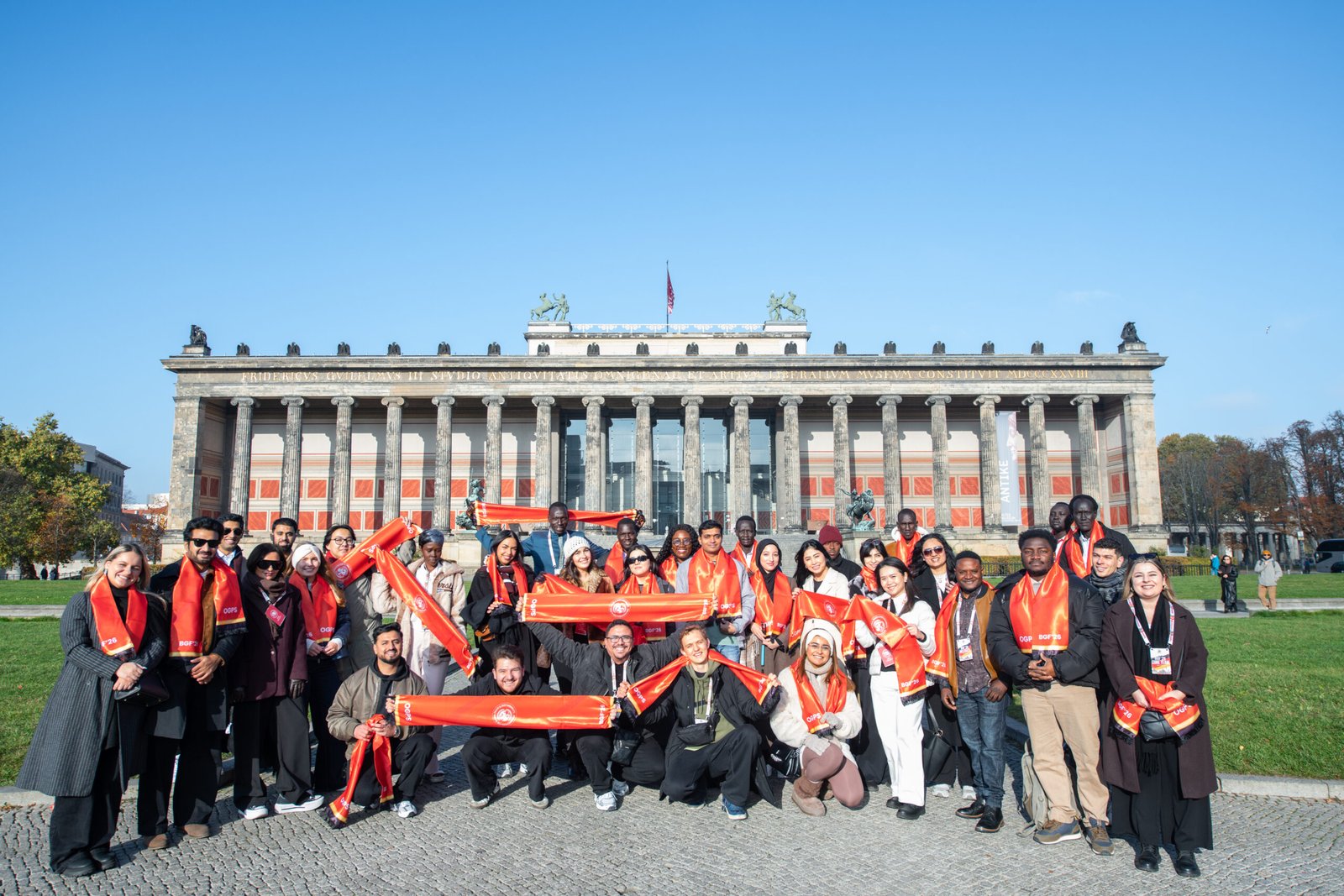
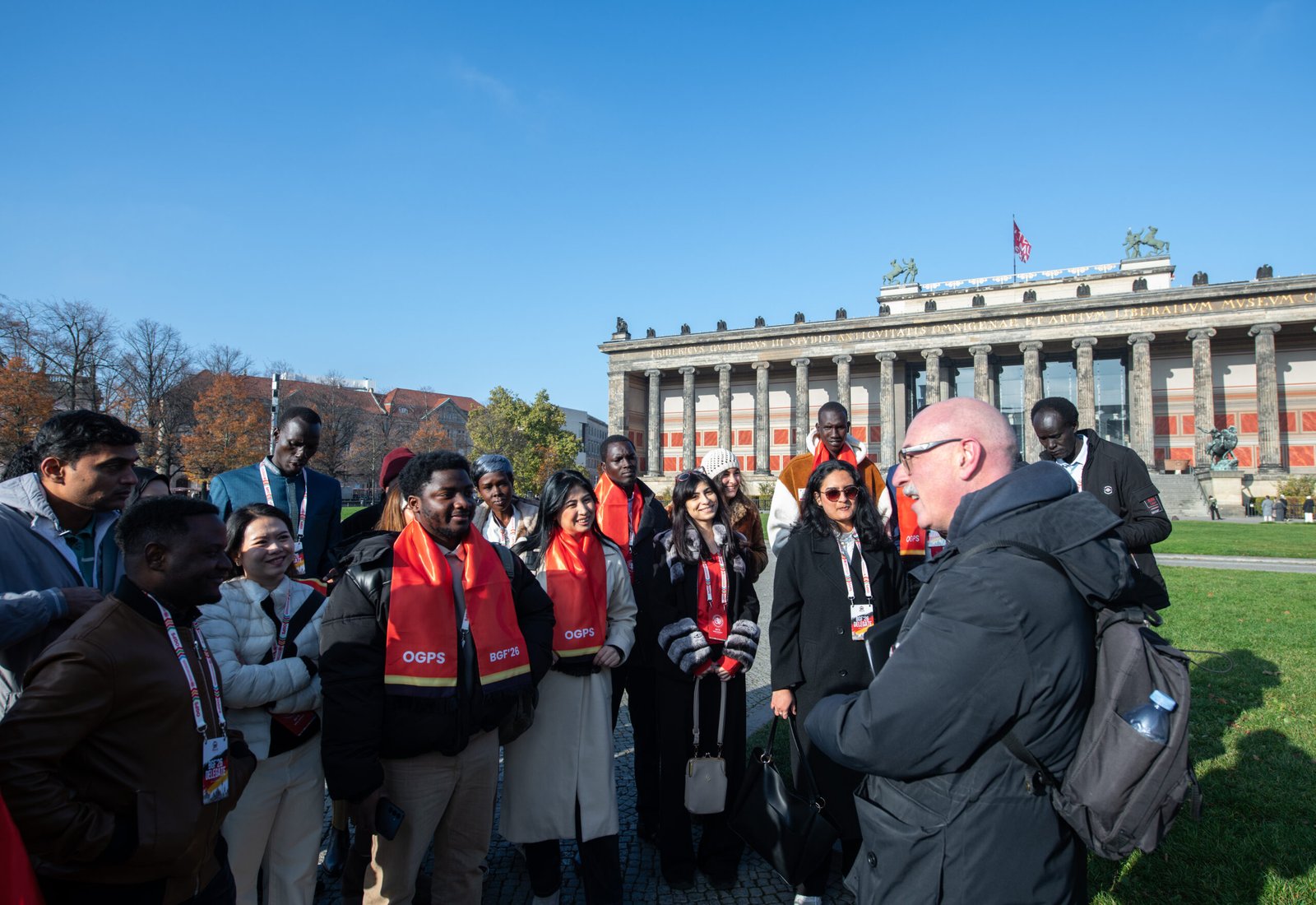
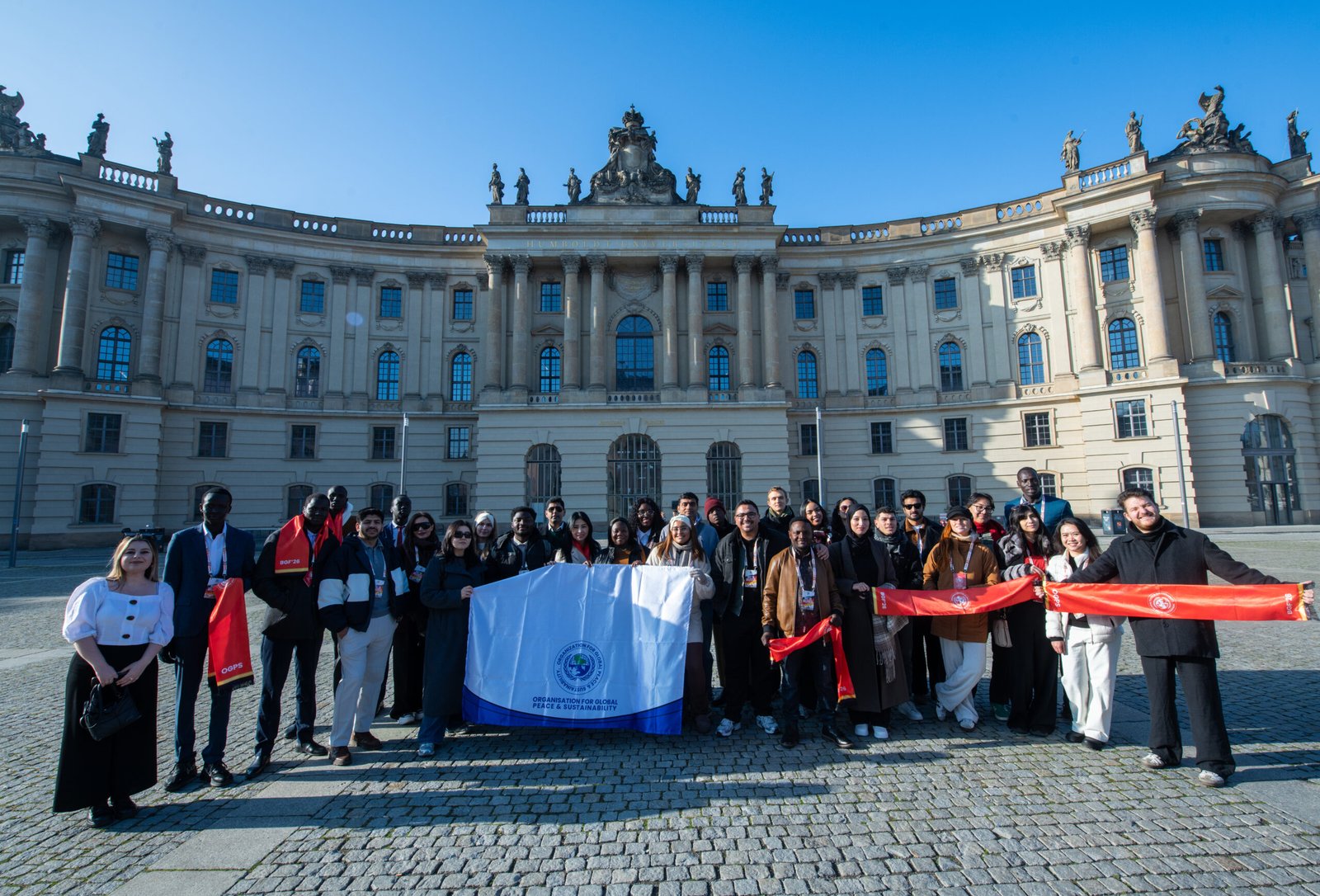
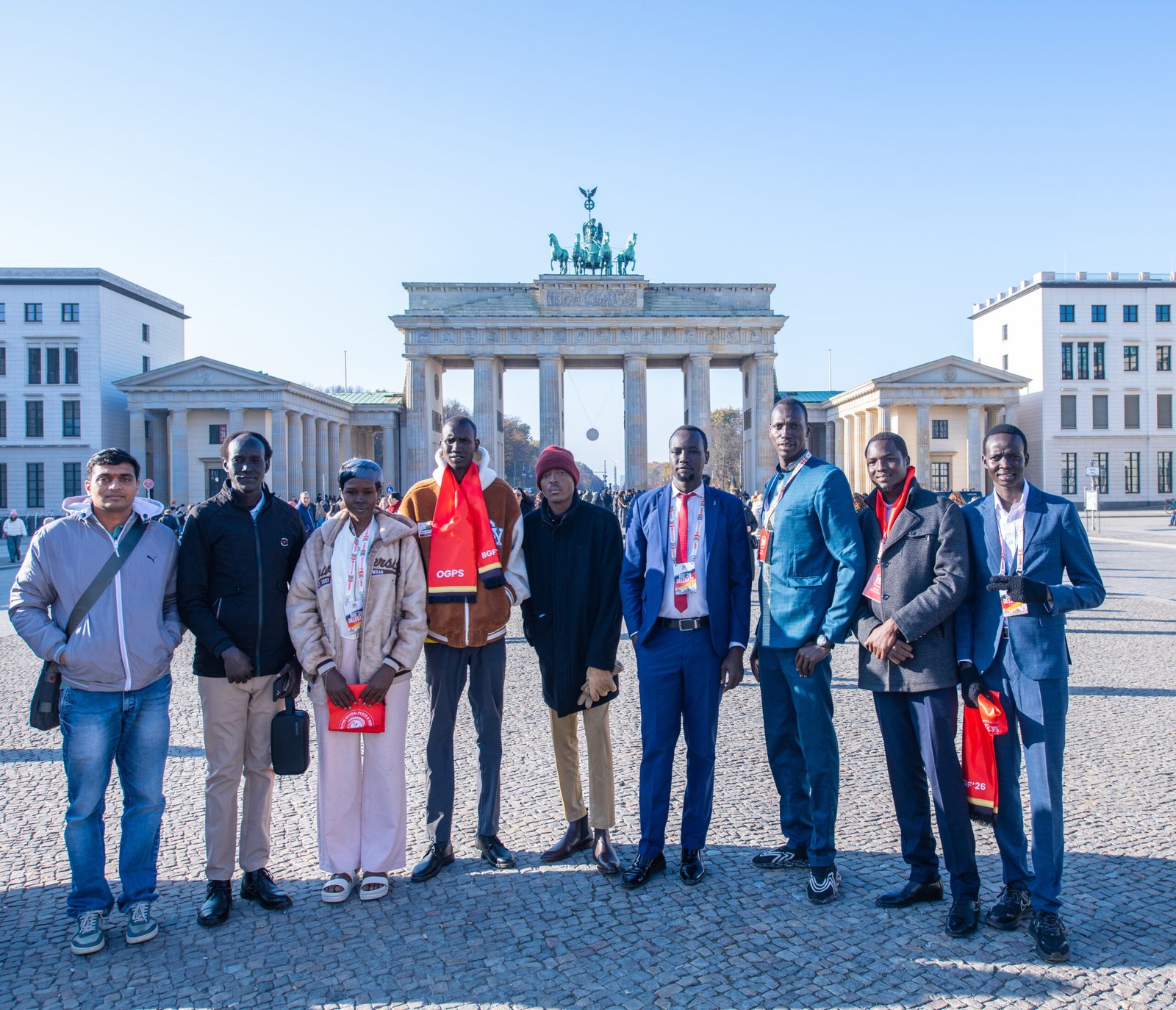
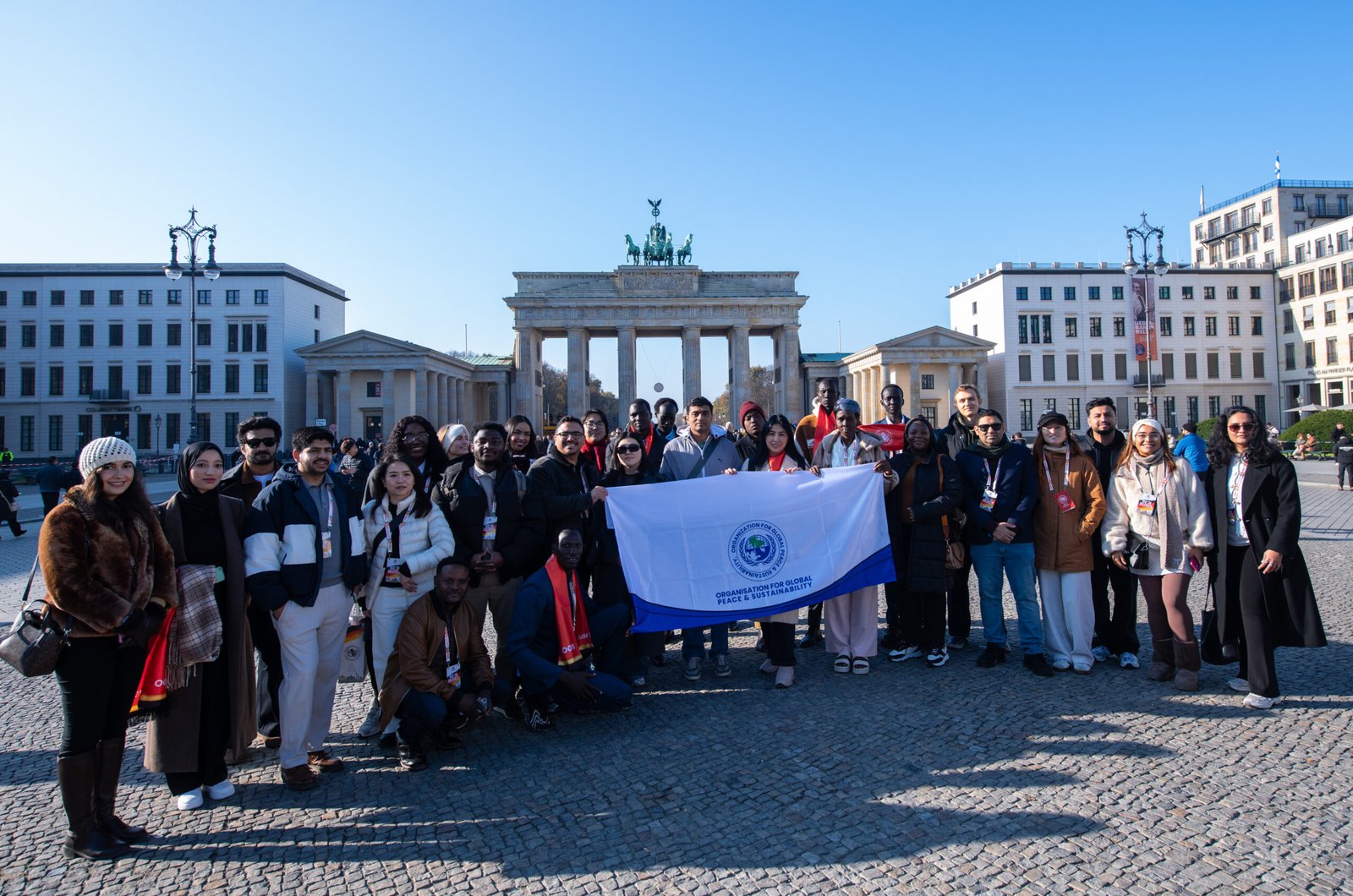
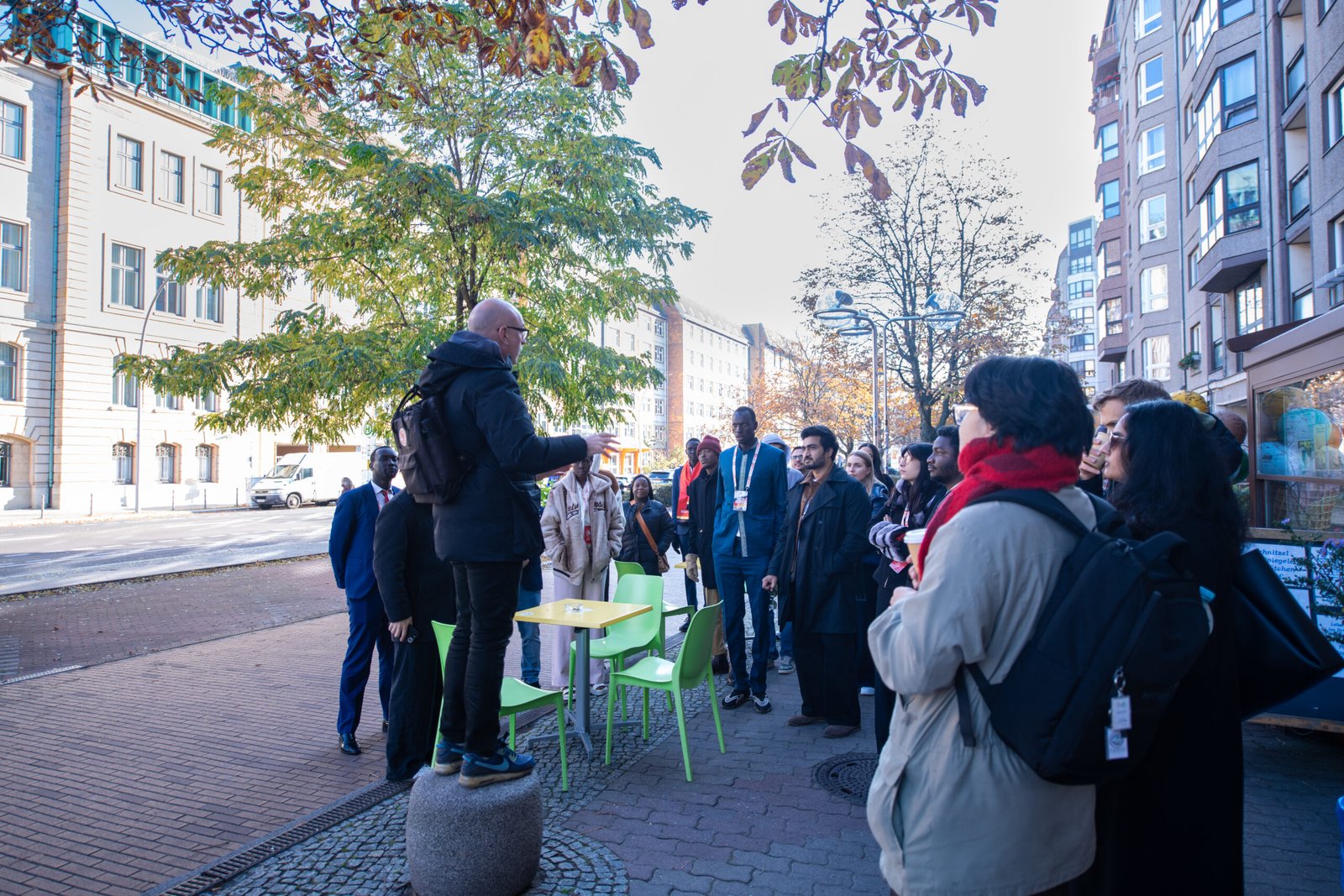
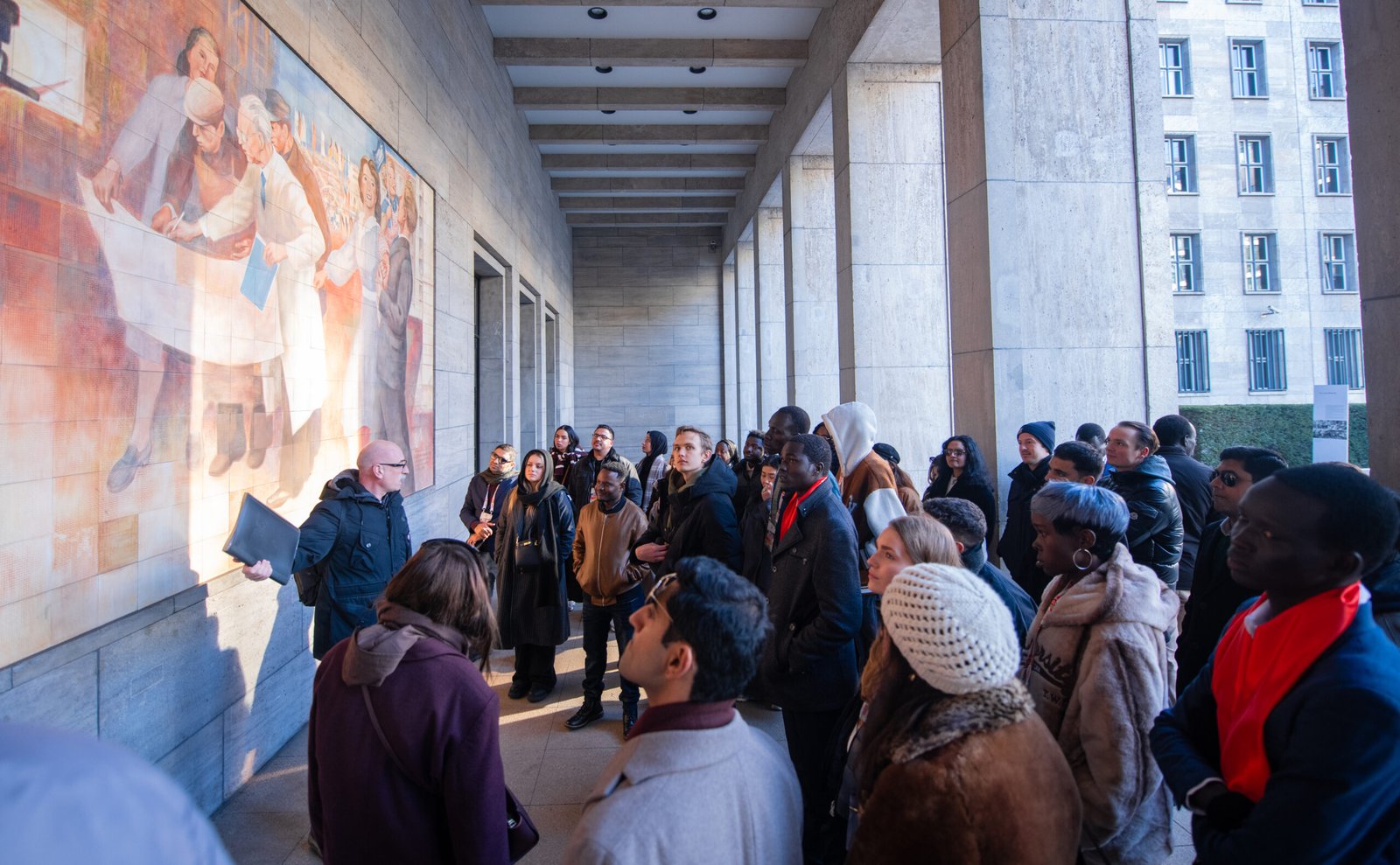
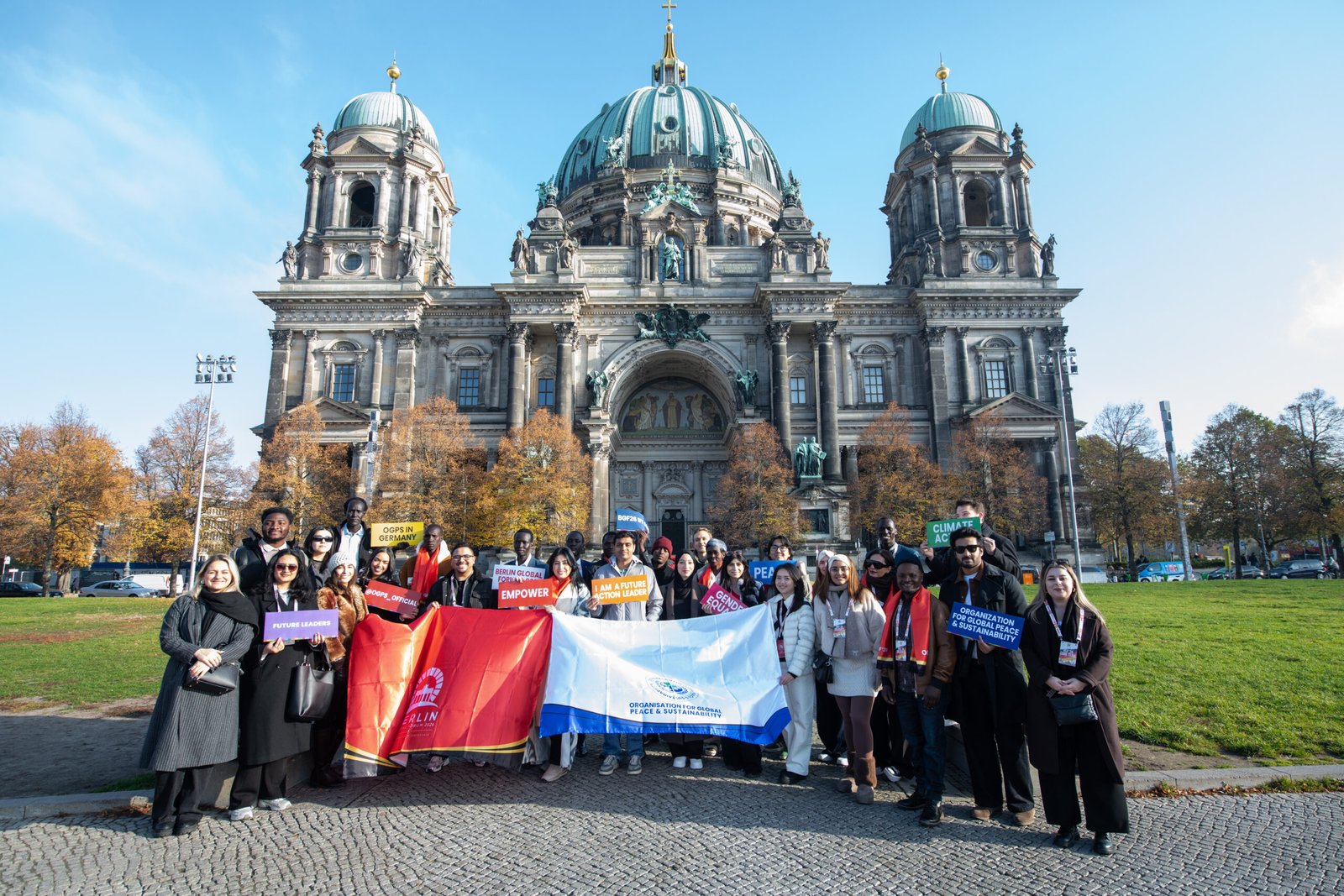
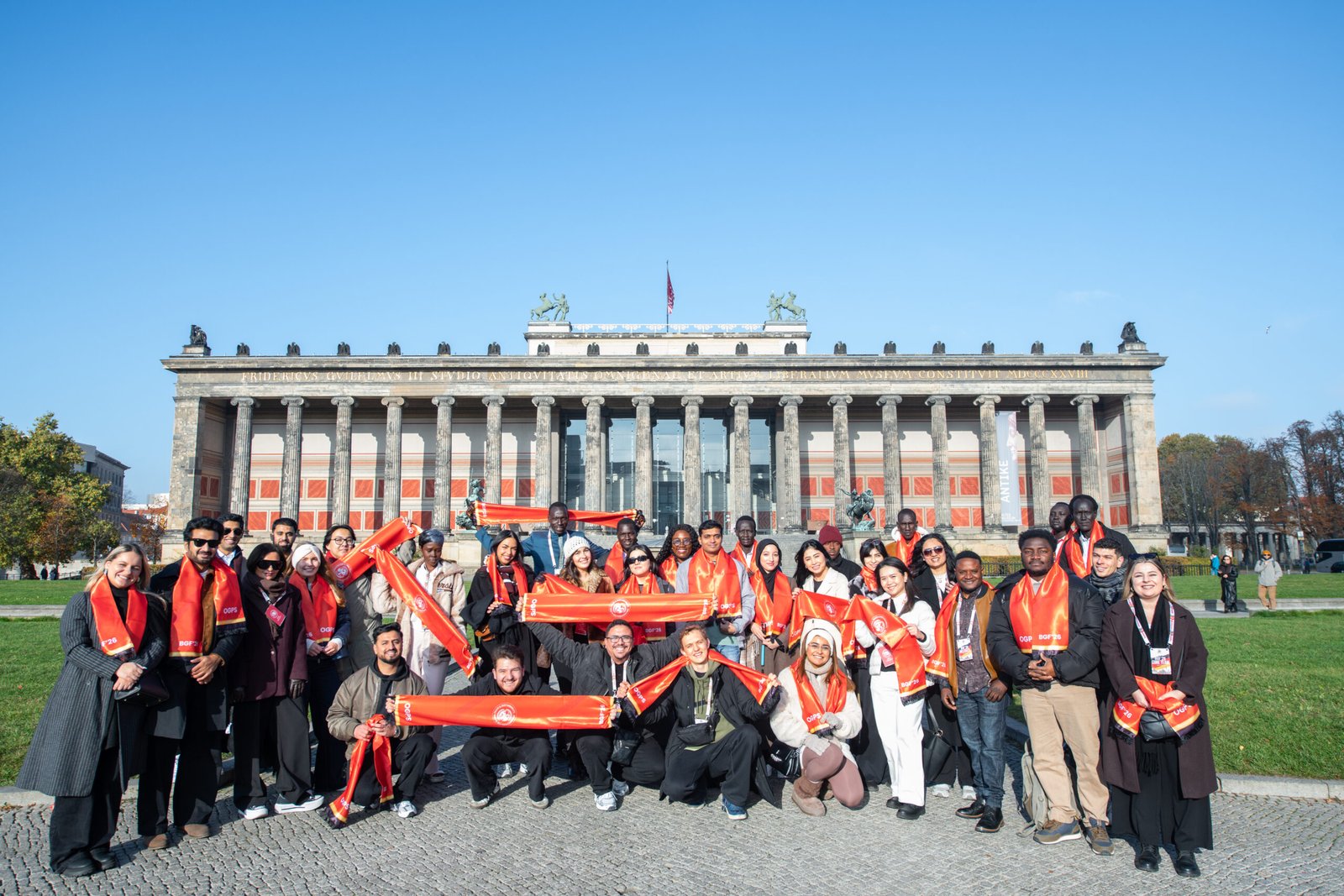
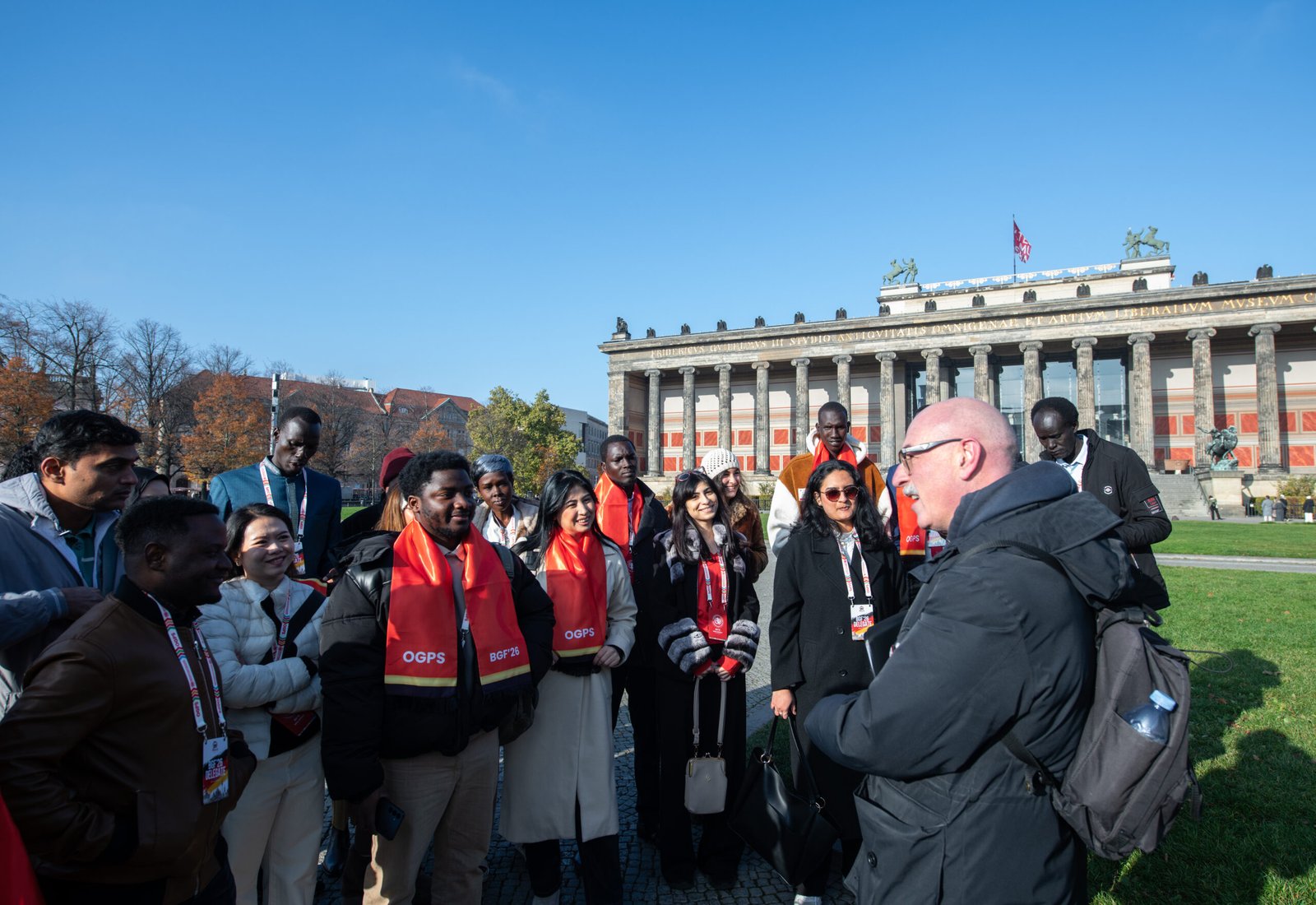
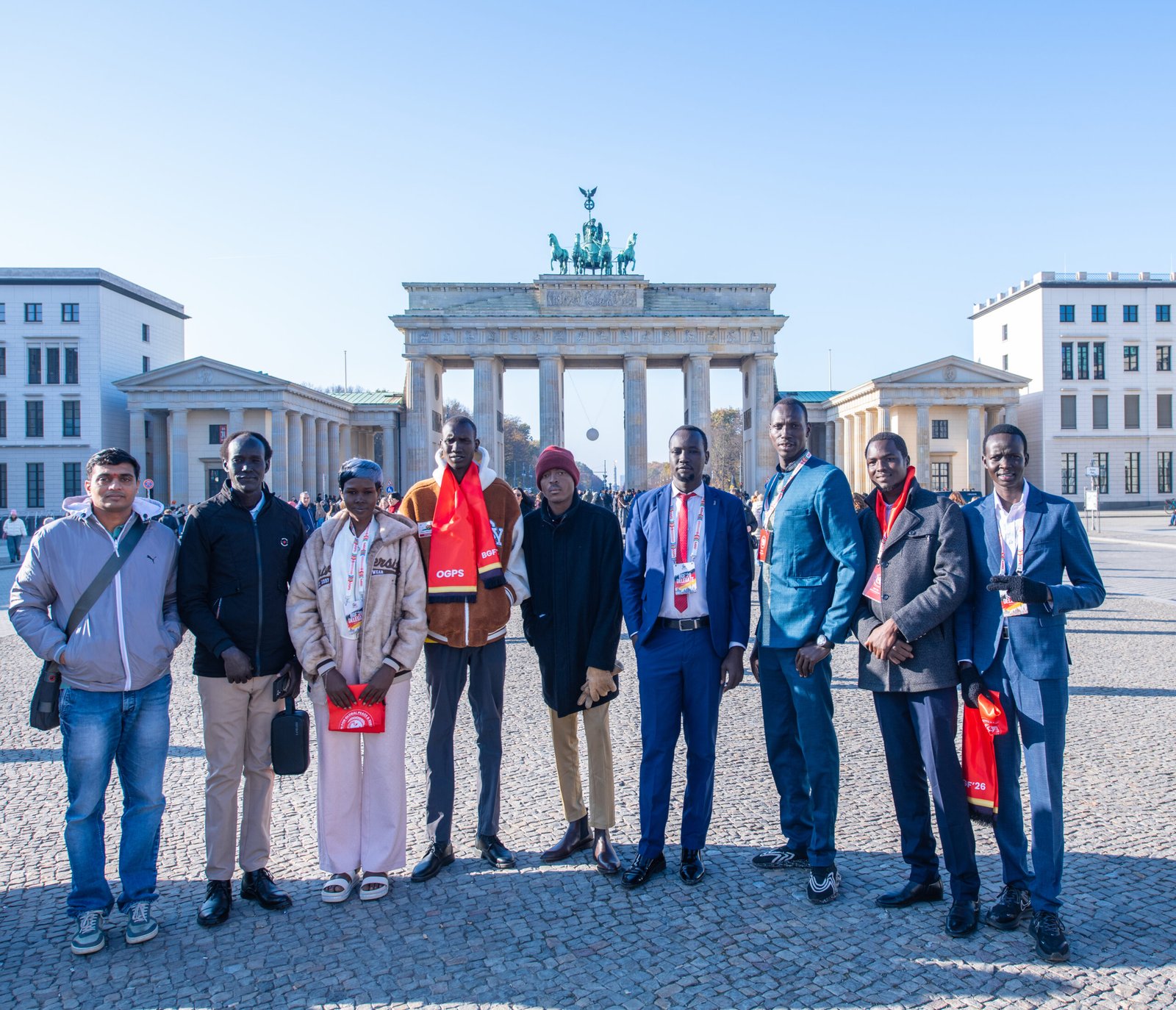
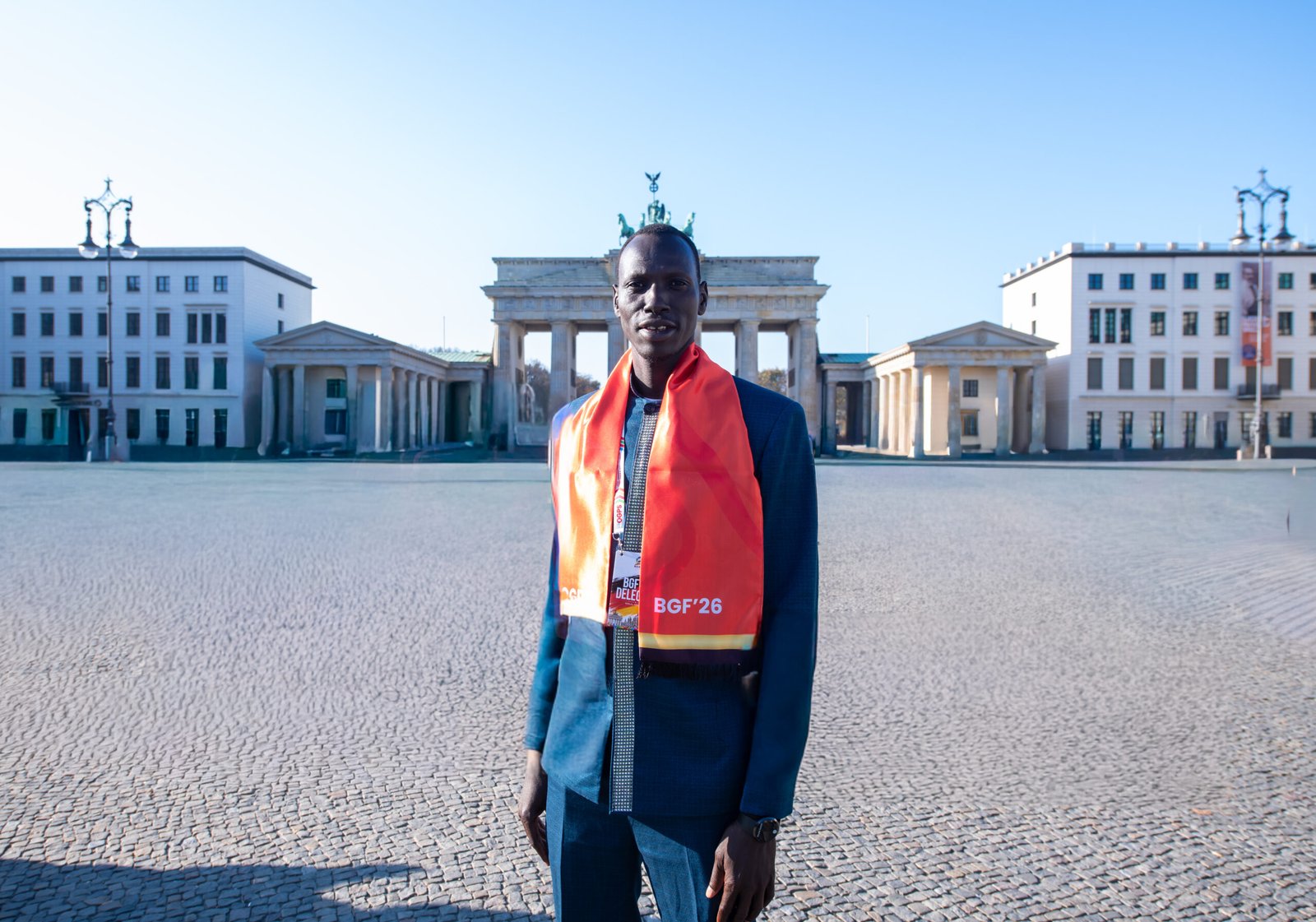
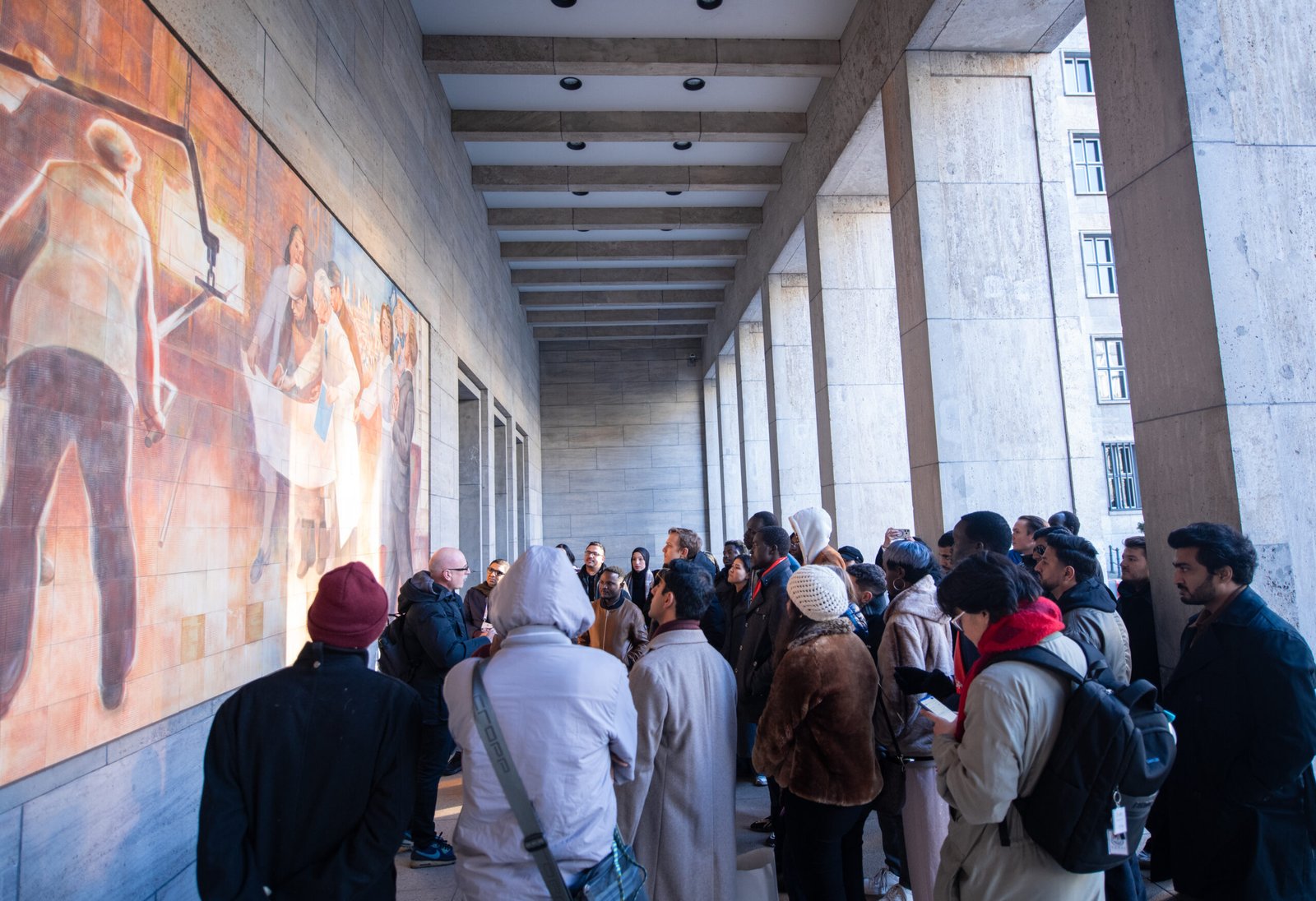
Delegates explored Berlin’s landmarks together, walking through the history of a city that once stood divided and today stands united.

The Workshops
Five expert-led workshops turned ideas into discussion, debate and hands-on activities.
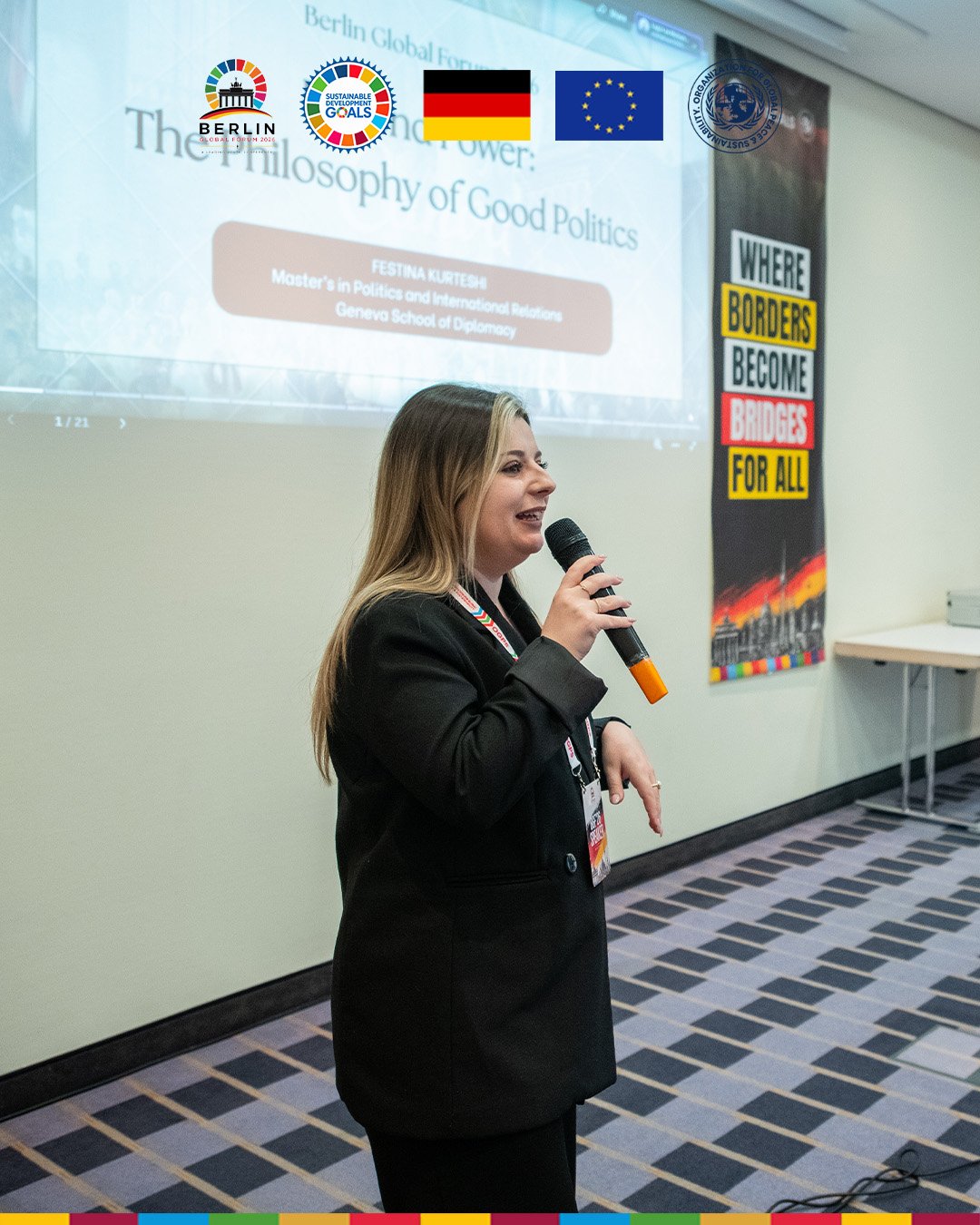
Beyond Power: The Philosophy of Good Politics
A human-centred look at public life and political leadership. Festina connected everyday ethics with the larger questions of governance, asking what makes politics meaningful and responsive to the people it serves. Drawing on major political philosophers, she asked not only what makes a political system function, but what makes leadership responsible, ethical and genuinely oriented towards society.
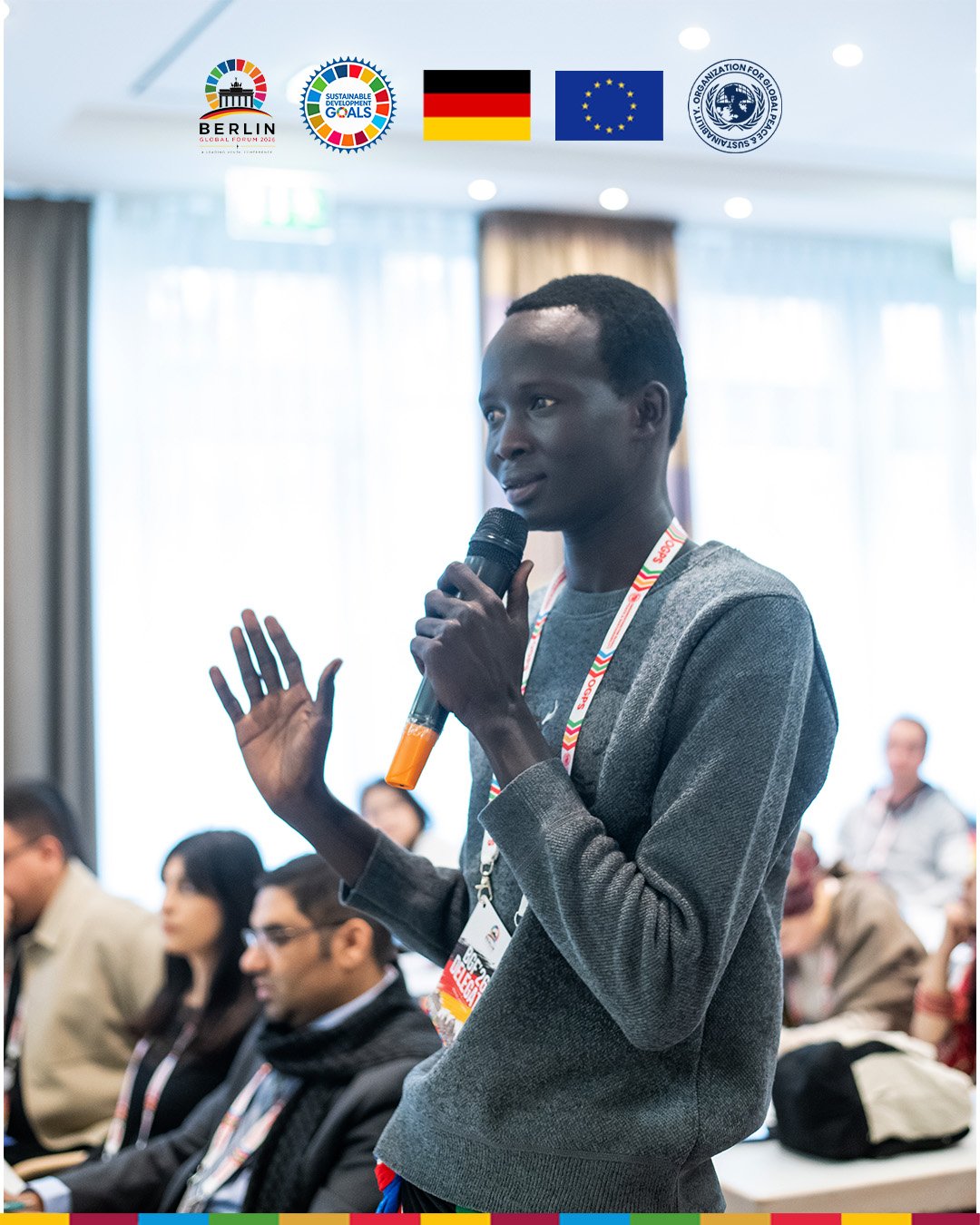
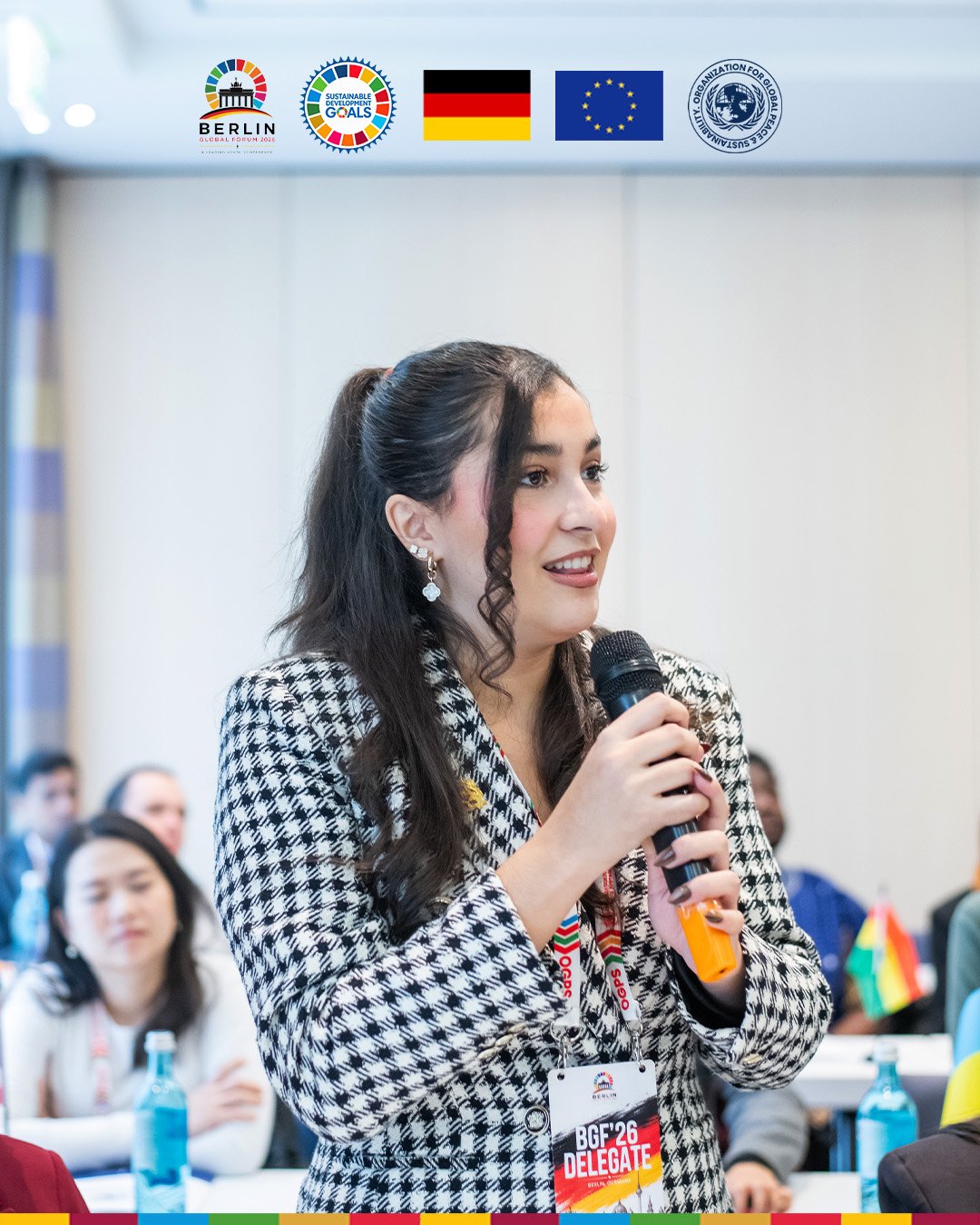
An open, interactive discussion with delegates.

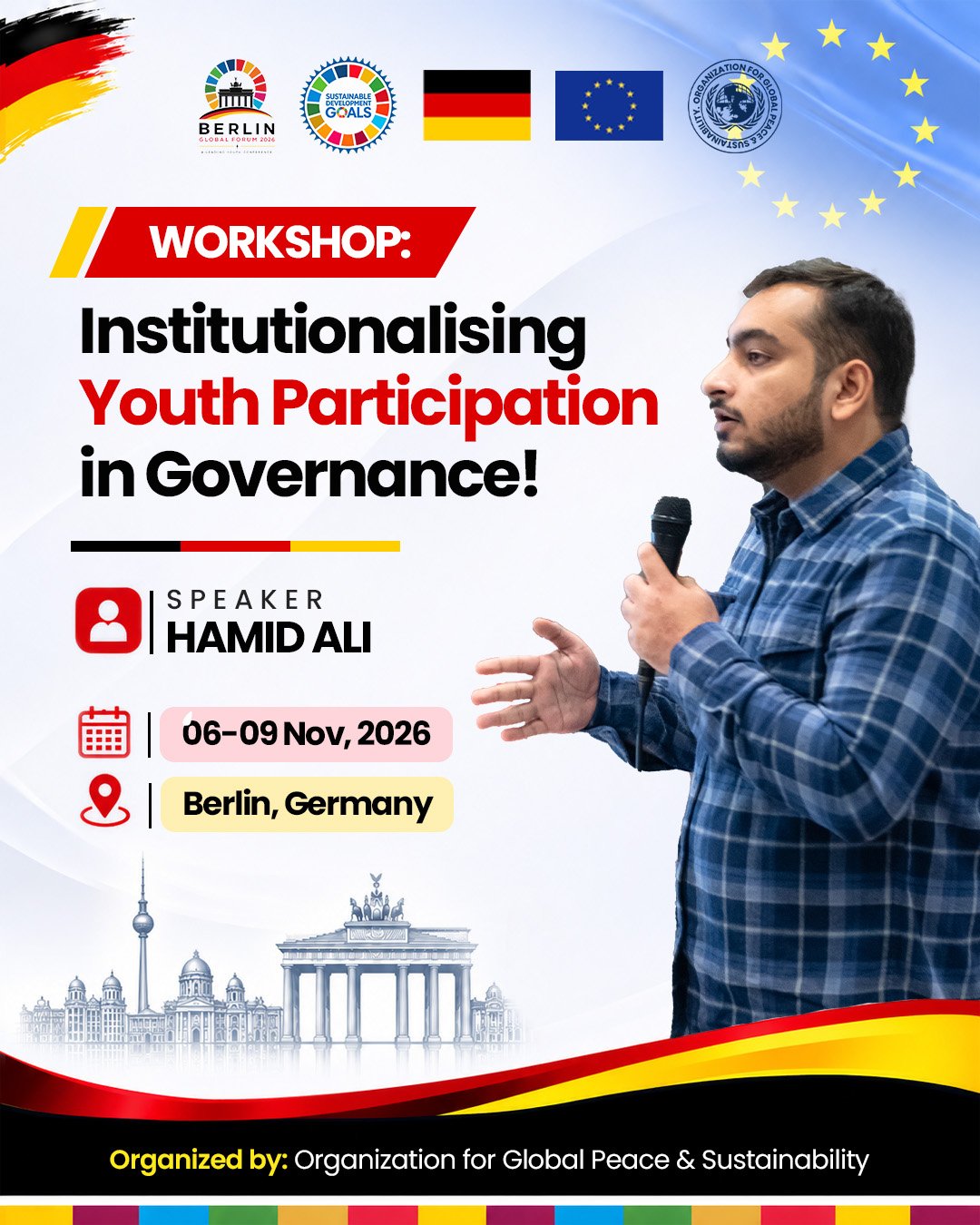
How Governments and International Organisations Can Institutionalise Youth Participation
Young people are often consulted but rarely given real influence over policy. Hamid examined how governments and international organisations can move beyond symbolic engagement and build youth participation into lasting legal, political and administrative mechanisms. Drawing on practice from the UN, the EU, the Council of Europe and Germany, he linked youth participation to inclusive governance, democratic legitimacy and the Youth, Peace and Security agenda.
Delegates identified the barriers to youth participation in their own countries and exchanged practical recommendations.
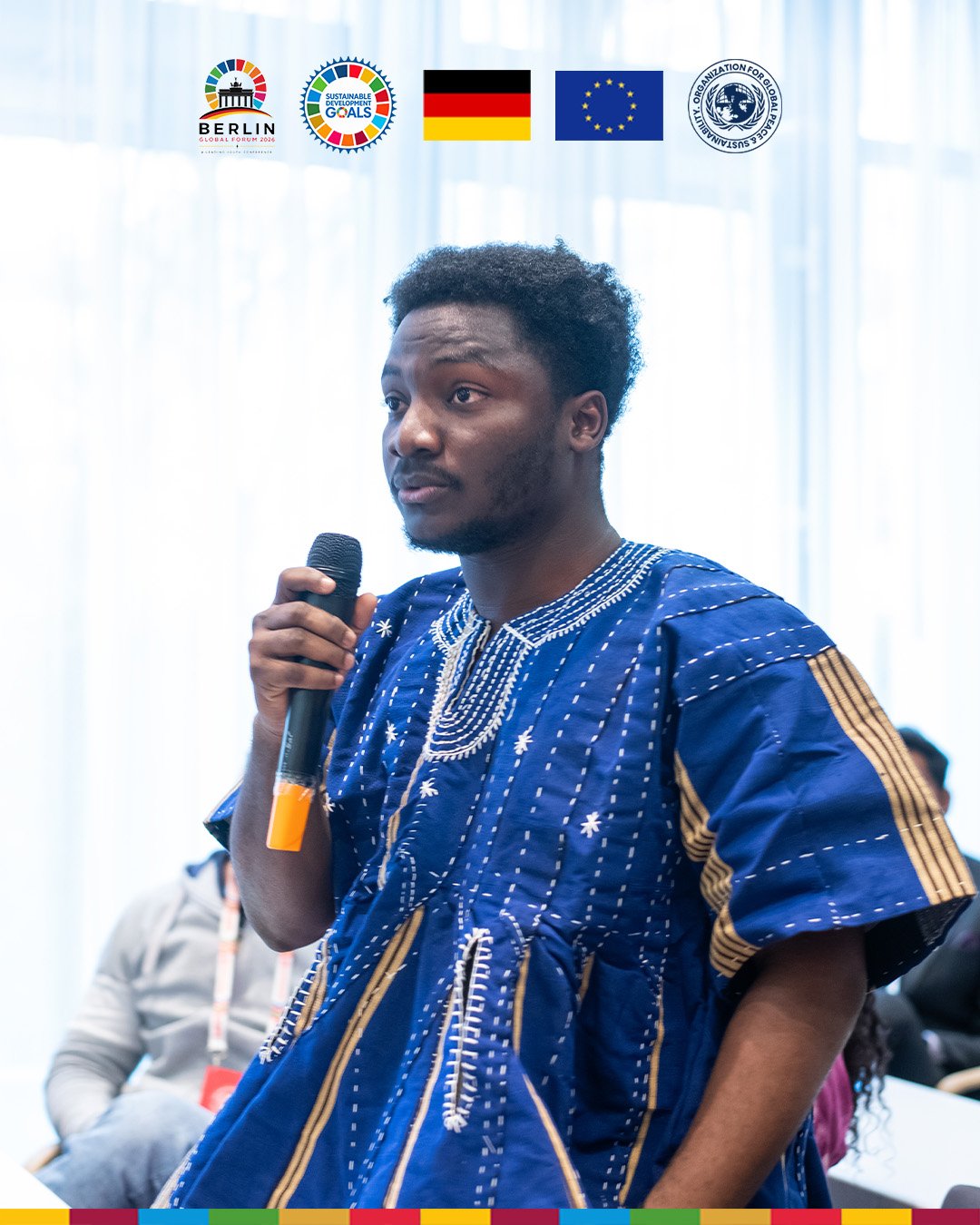
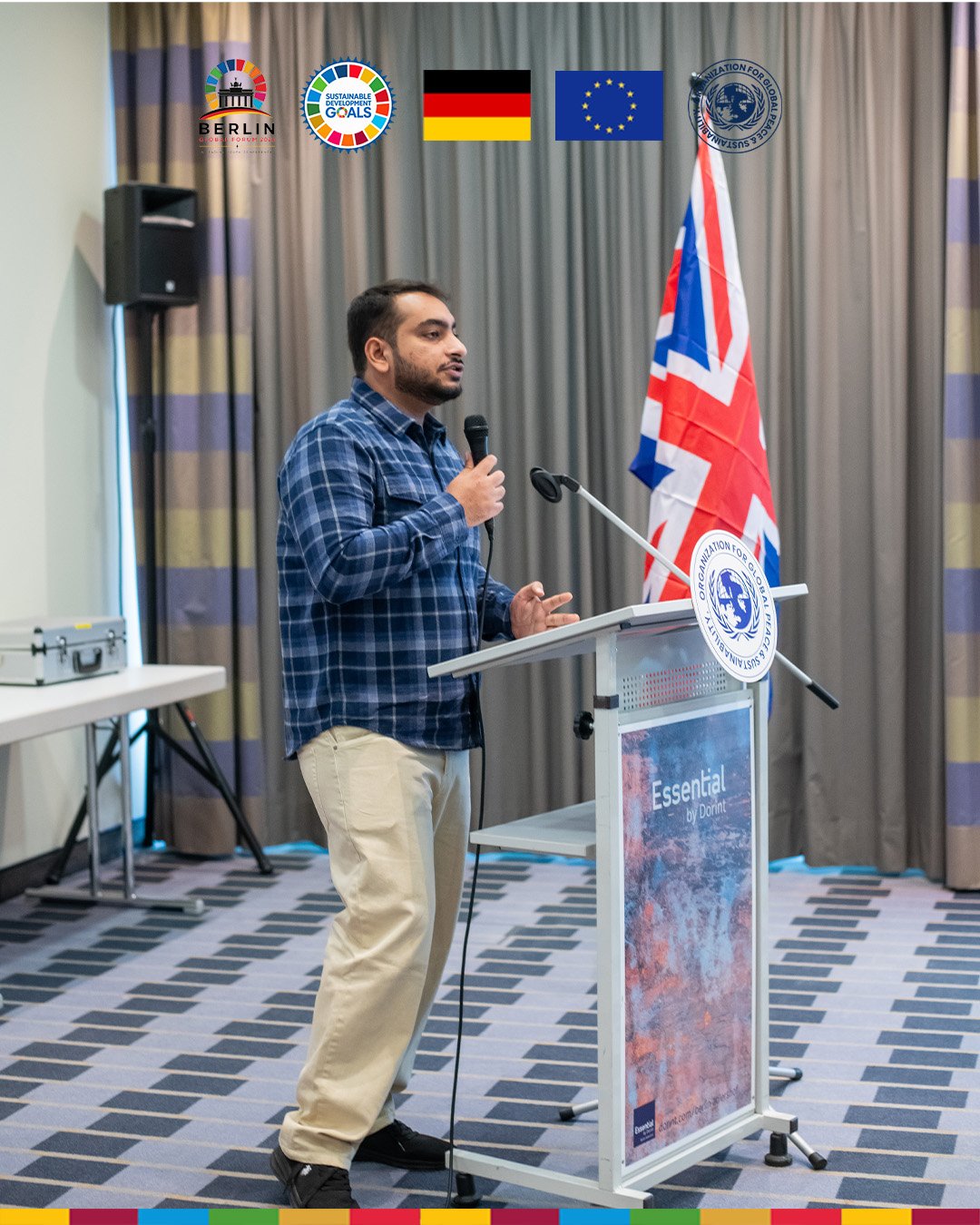
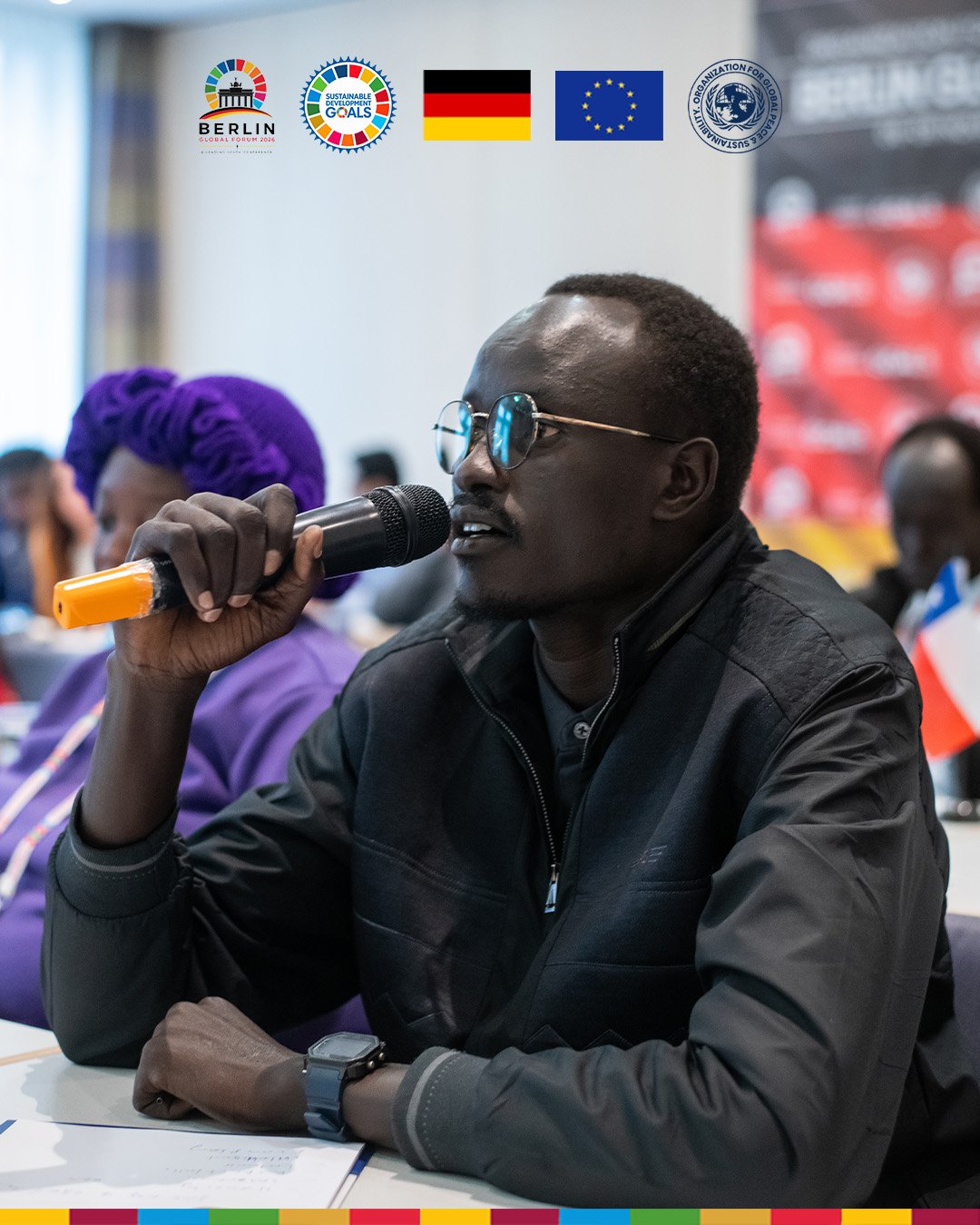
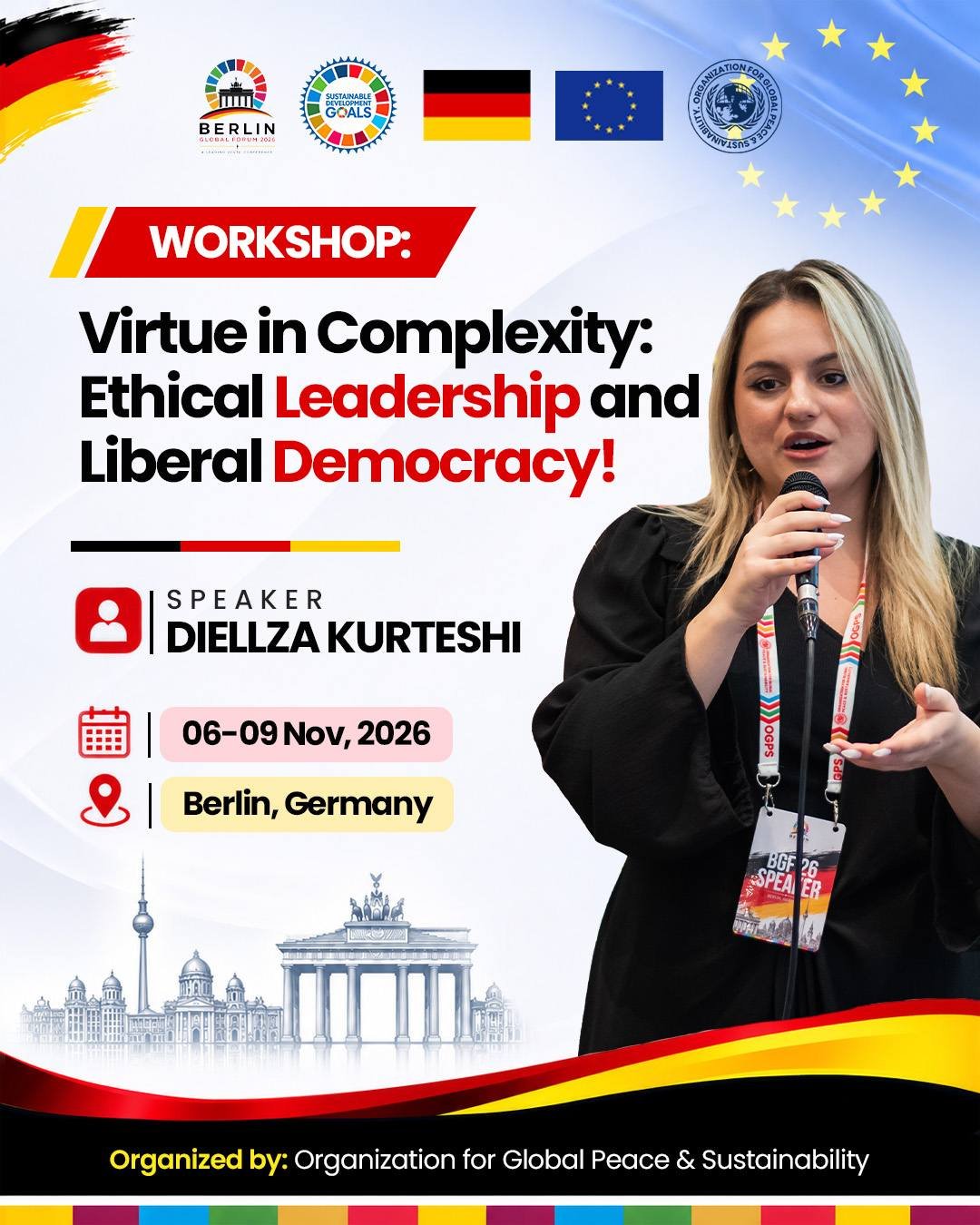
Virtue in the Face of Complexity: Ethical Leadership and the Challenges of Liberal Democracy
In an age of political fragmentation and declining trust, institutions alone cannot sustain democracy. Drawing on Thomas More, Sun Tzu and Thomas Hobbes alongside Robert Jervis, Francis Fukuyama, Daron Acemoglu, James Rosenau and Nassim Nicholas Taleb, Diellza connected classical moral philosophy with today’s political challenges. Her conclusion: virtue is a practical democratic responsibility, built on self-awareness, intellectual humility and a willingness to compromise for the common good.
The Prisoner’s Dilemma, showing how individual incentives can undermine collective interests, followed by a critical discussion.
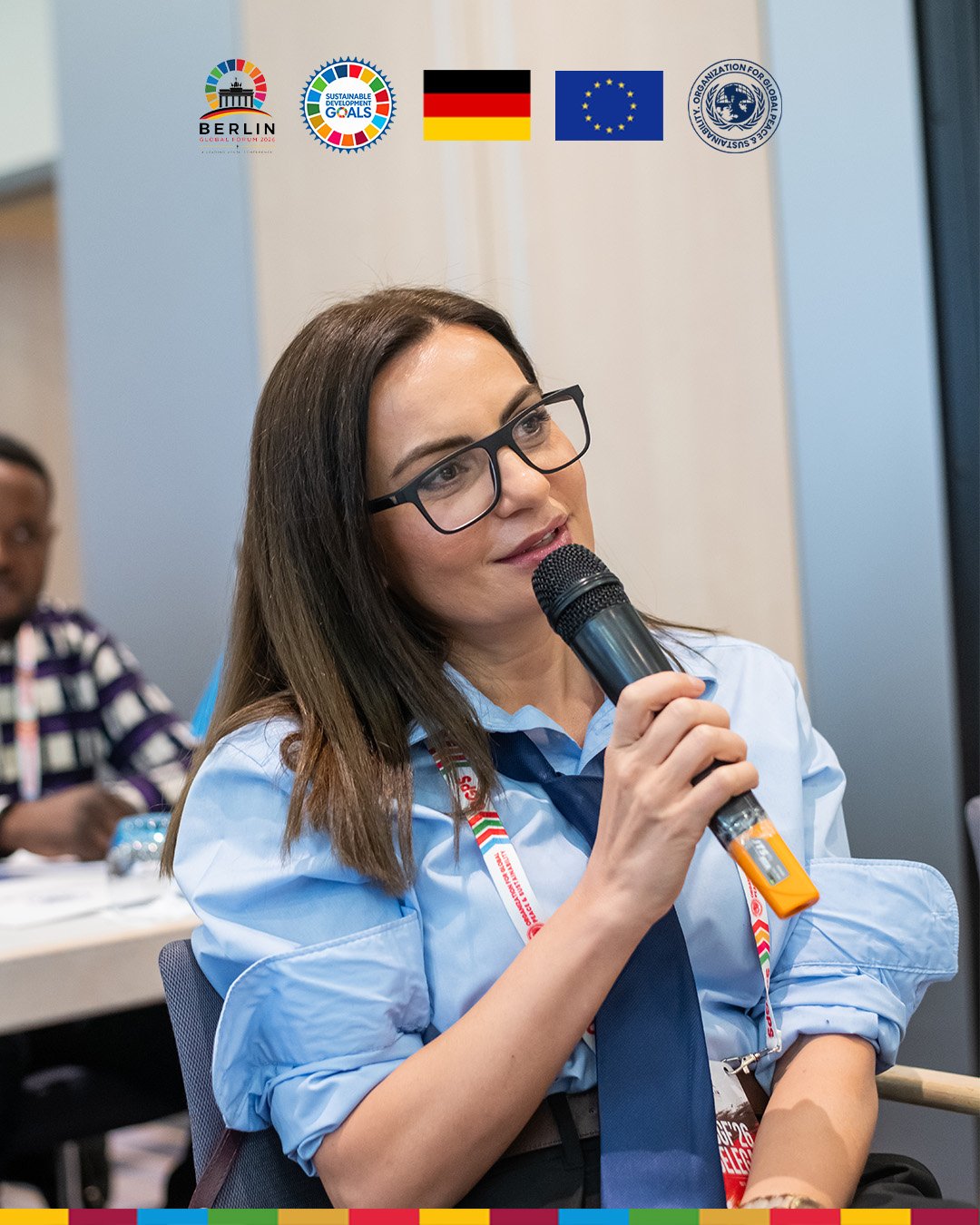
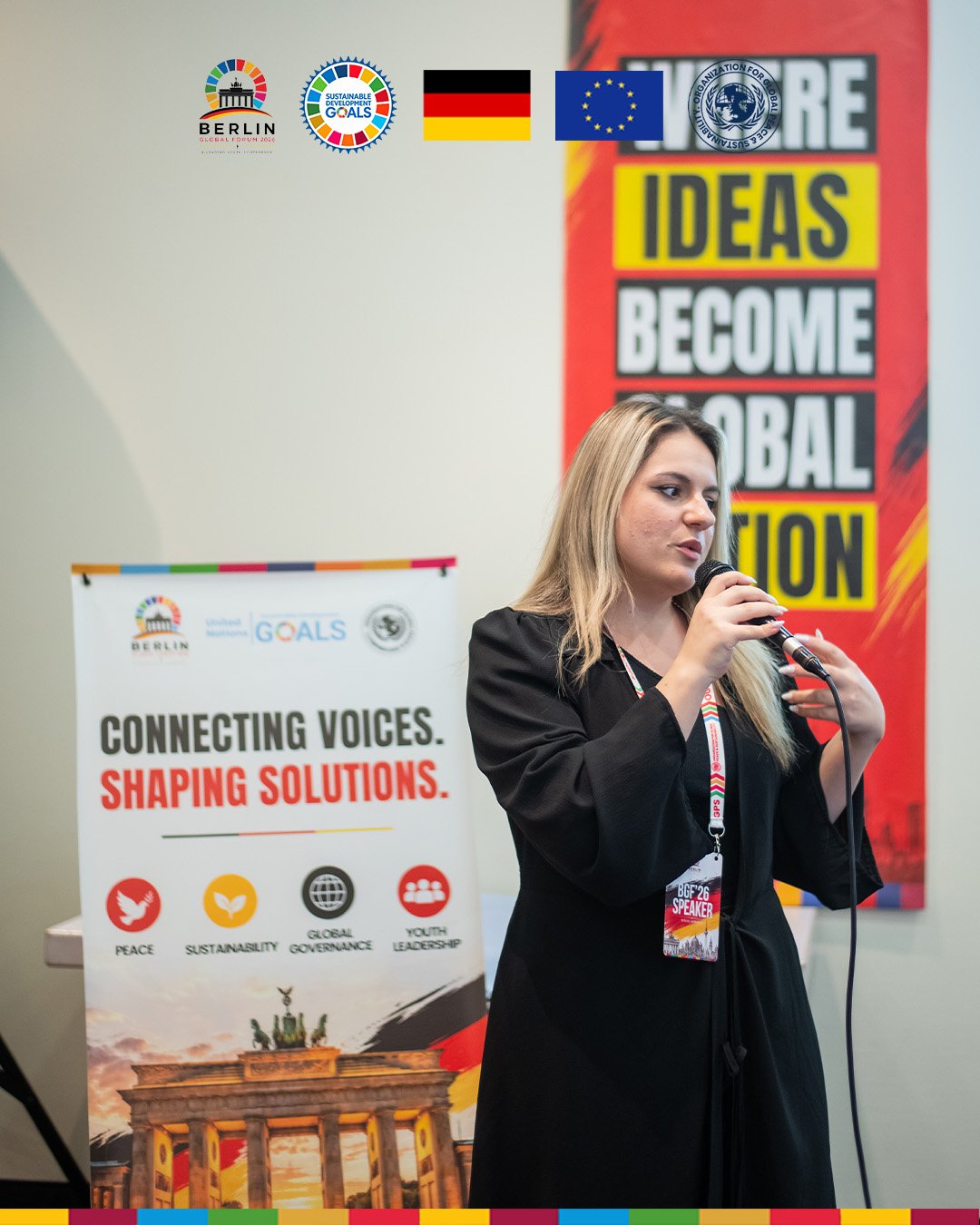
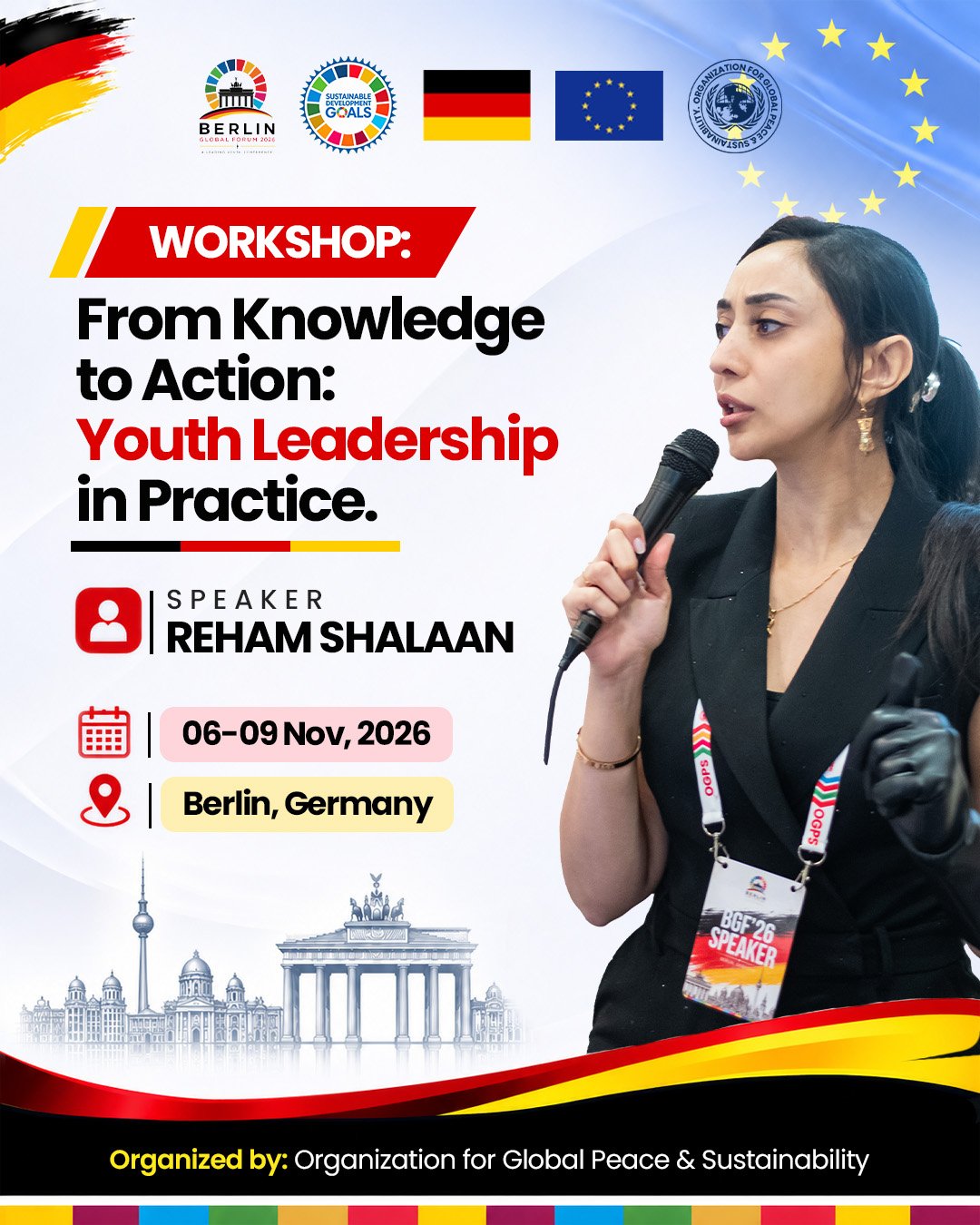
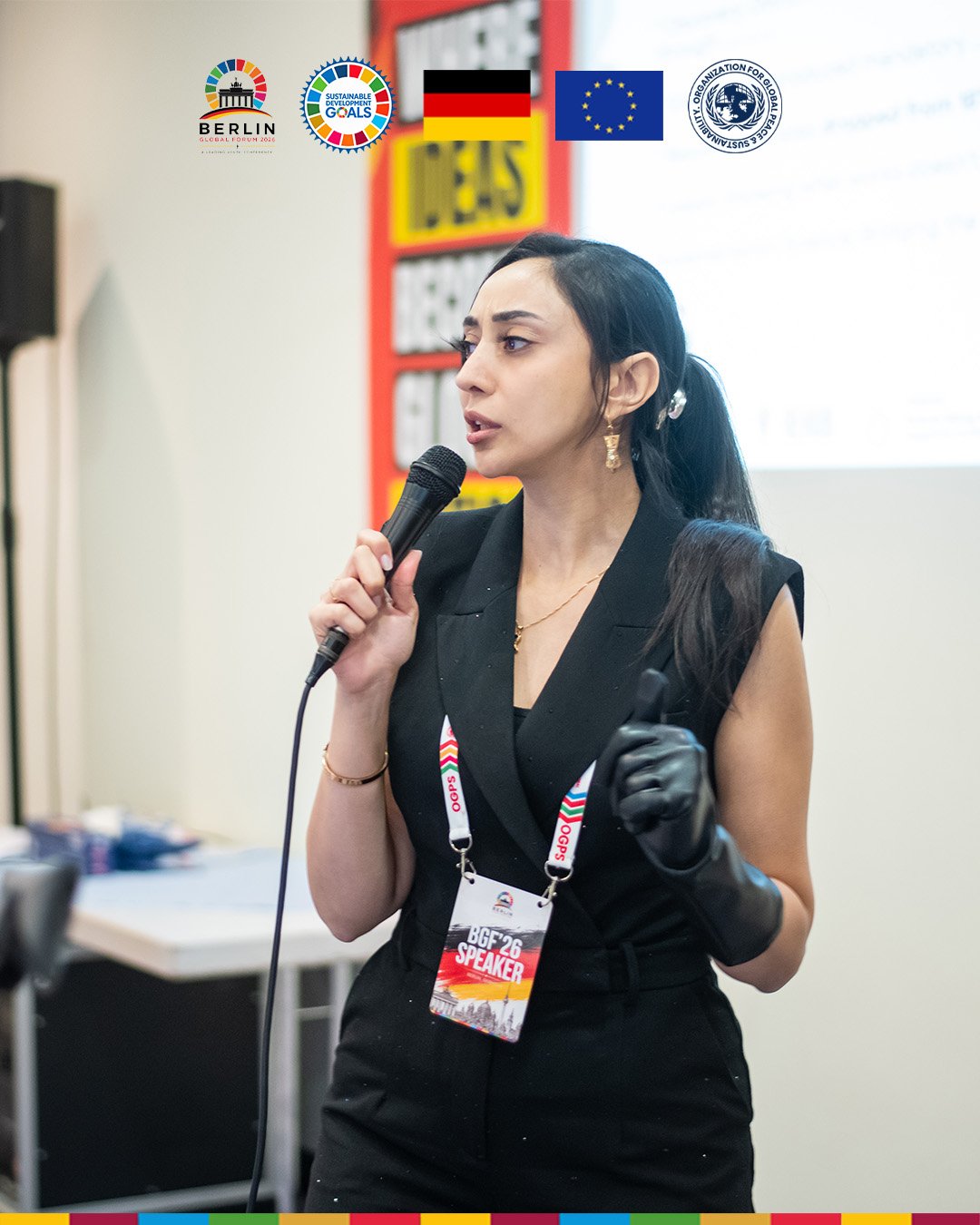
From Knowledge to Action: Implementation Science for Youth Leadership
Knowing what works does not mean people will apply it. Reham opened with the story of Dr. Ignaz Semmelweis, whose handwashing rule cut maternal deaths in a Vienna hospital from 18% to 2%, and the NASA space pen, to introduce the know-do gap. She showed how implementation science bridges the gap between evidence and practice, and what it means for young leaders turning ideas into action.
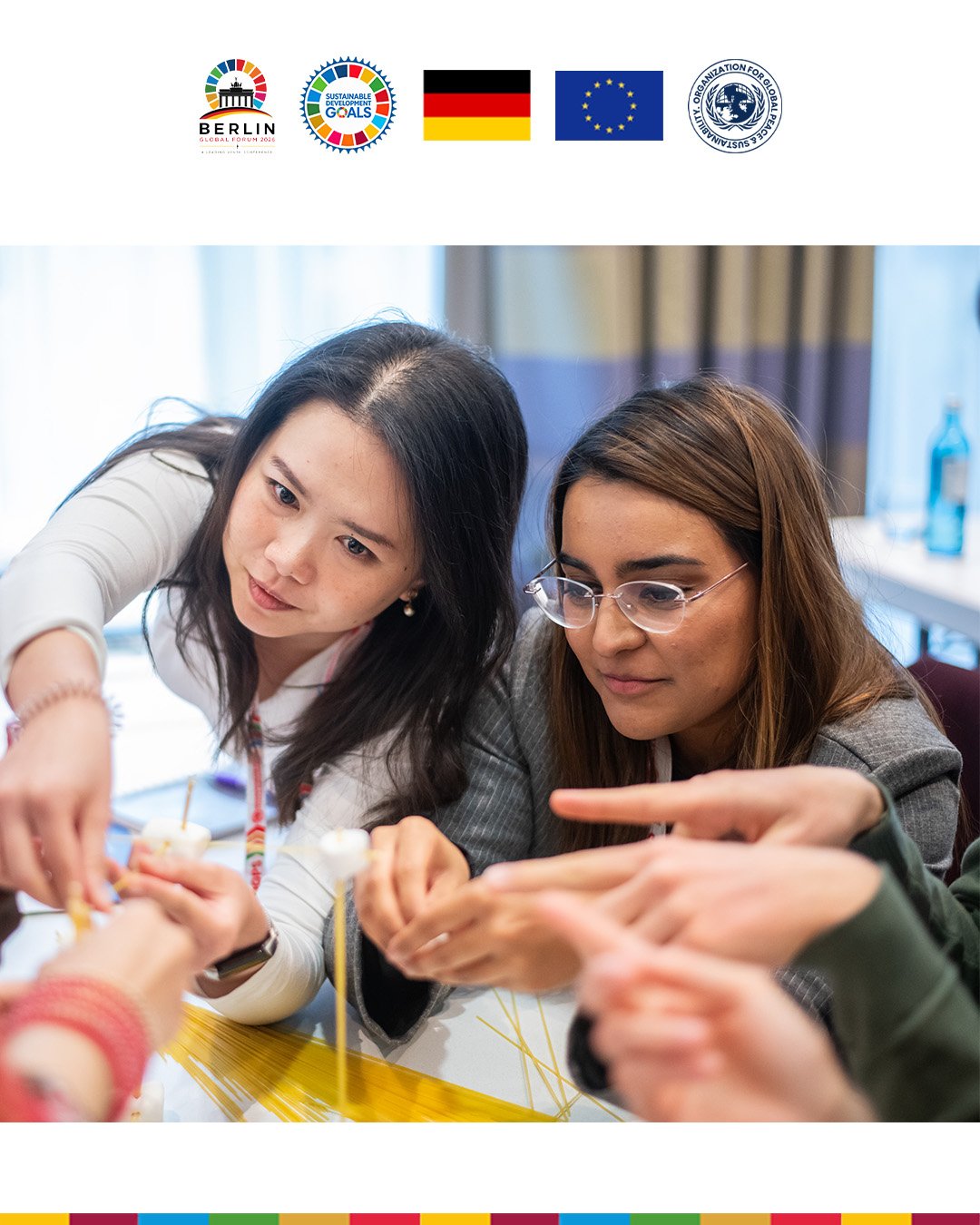
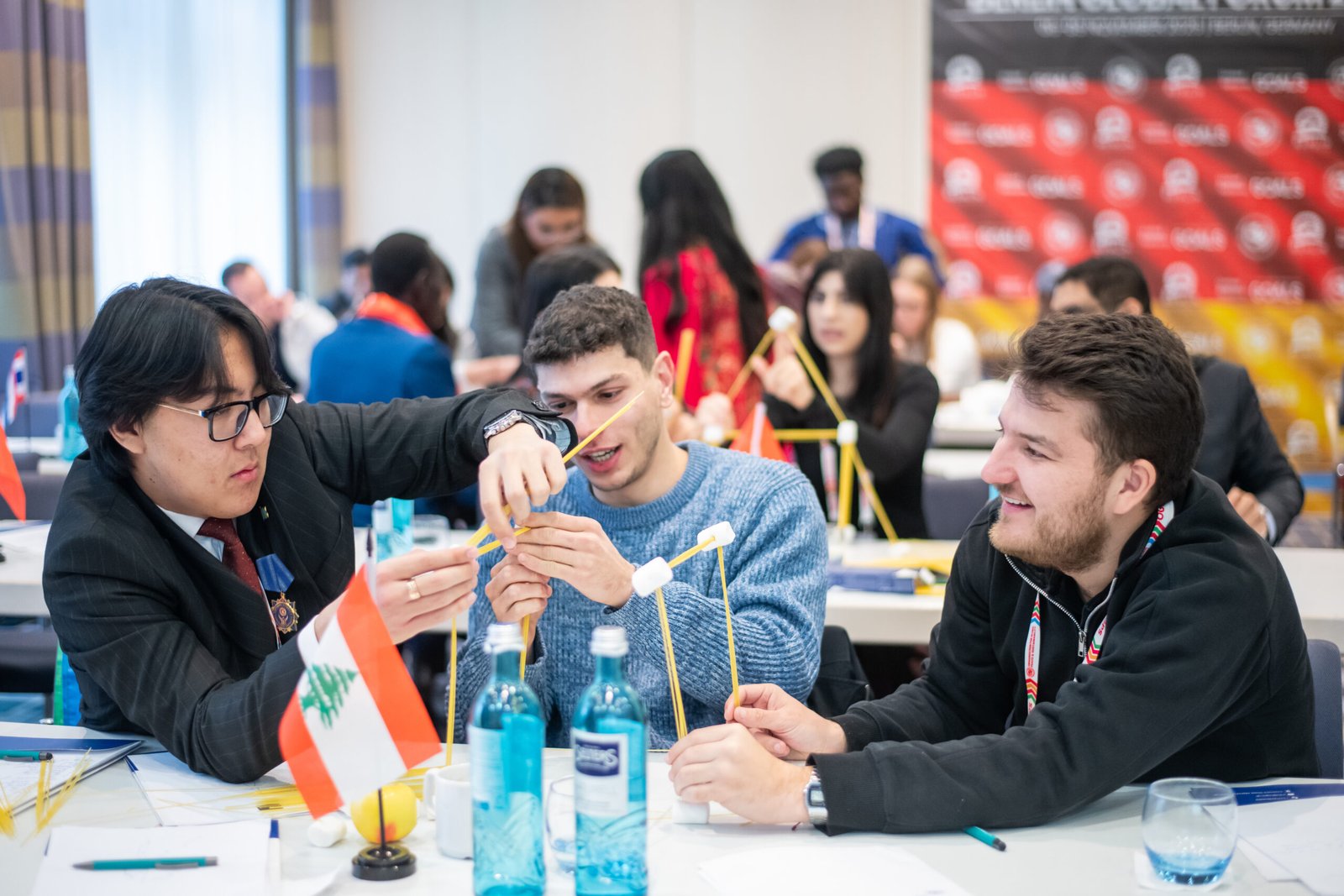
The Spaghetti and Marshmallow Challenge. Teams built the tallest free-standing tower in 10 minutes, then reflected on what they knew, what they did, and how they bridged the gap.
The Human Rights-Based Approach: From Principles to Practice
Human rights are more than principles in international agreements; they are a practical foundation for fairer, more inclusive communities. Corrine introduced the Human Rights-Based Approach and showed how it applies to education, community work and youth leadership. Delegates learned to see people as rights holders, to understand the responsibilities of duty bearers, and to move from good intentions to action that strengthens people’s agency.
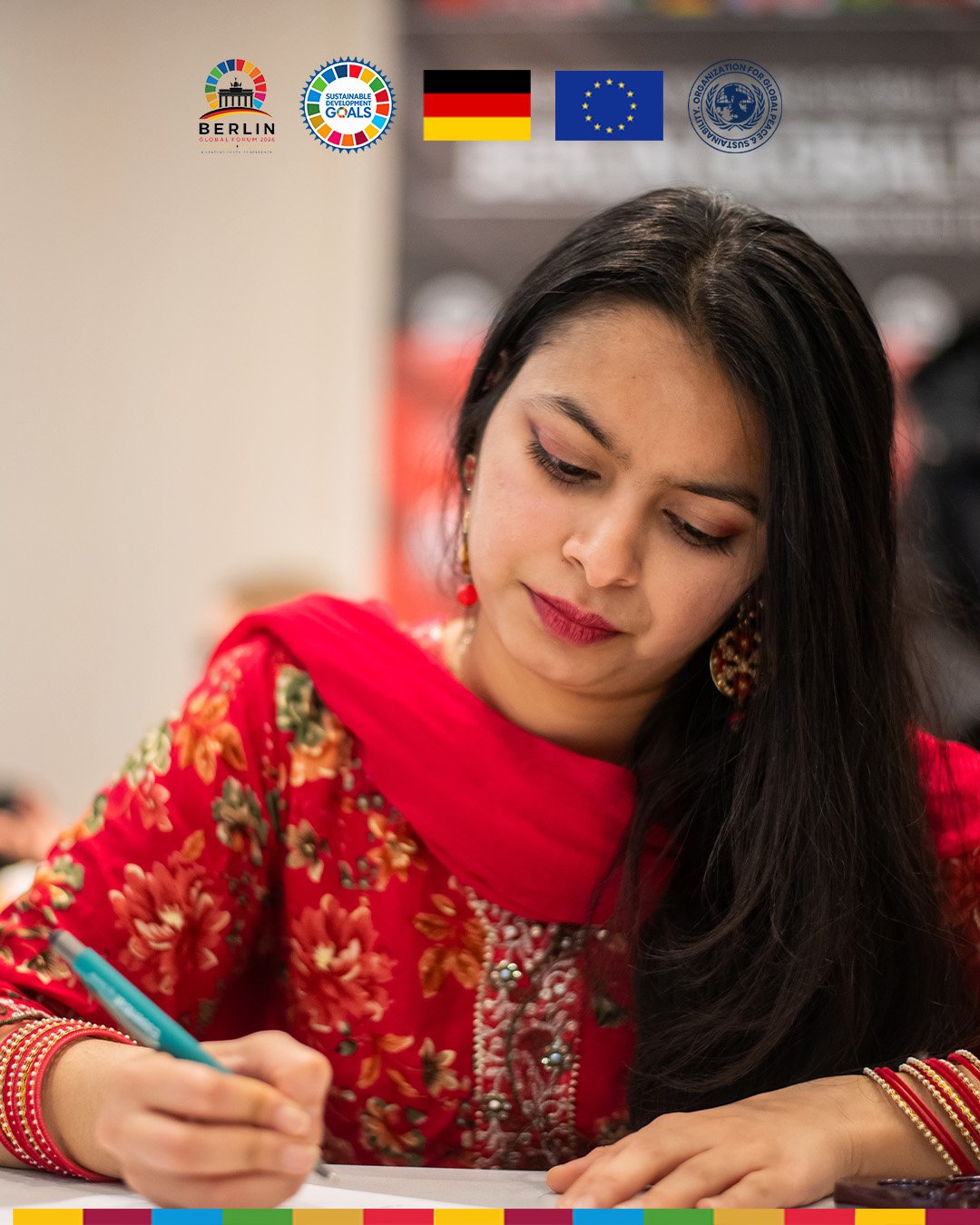
With the “Apply a Human Rights Lens” worksheet, delegates tested a real project for barriers of access, language, disability and safety, and named one concrete change they would make.

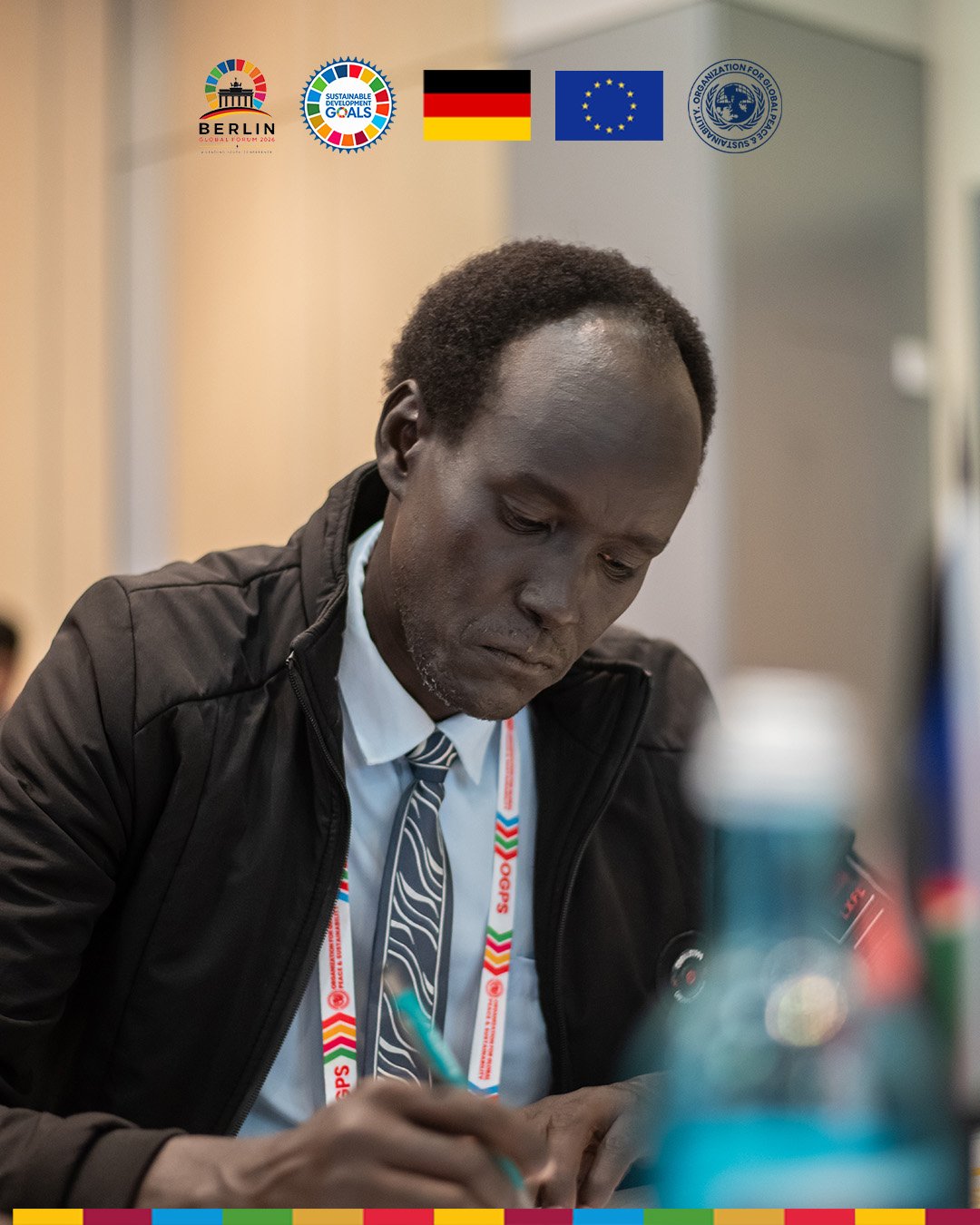
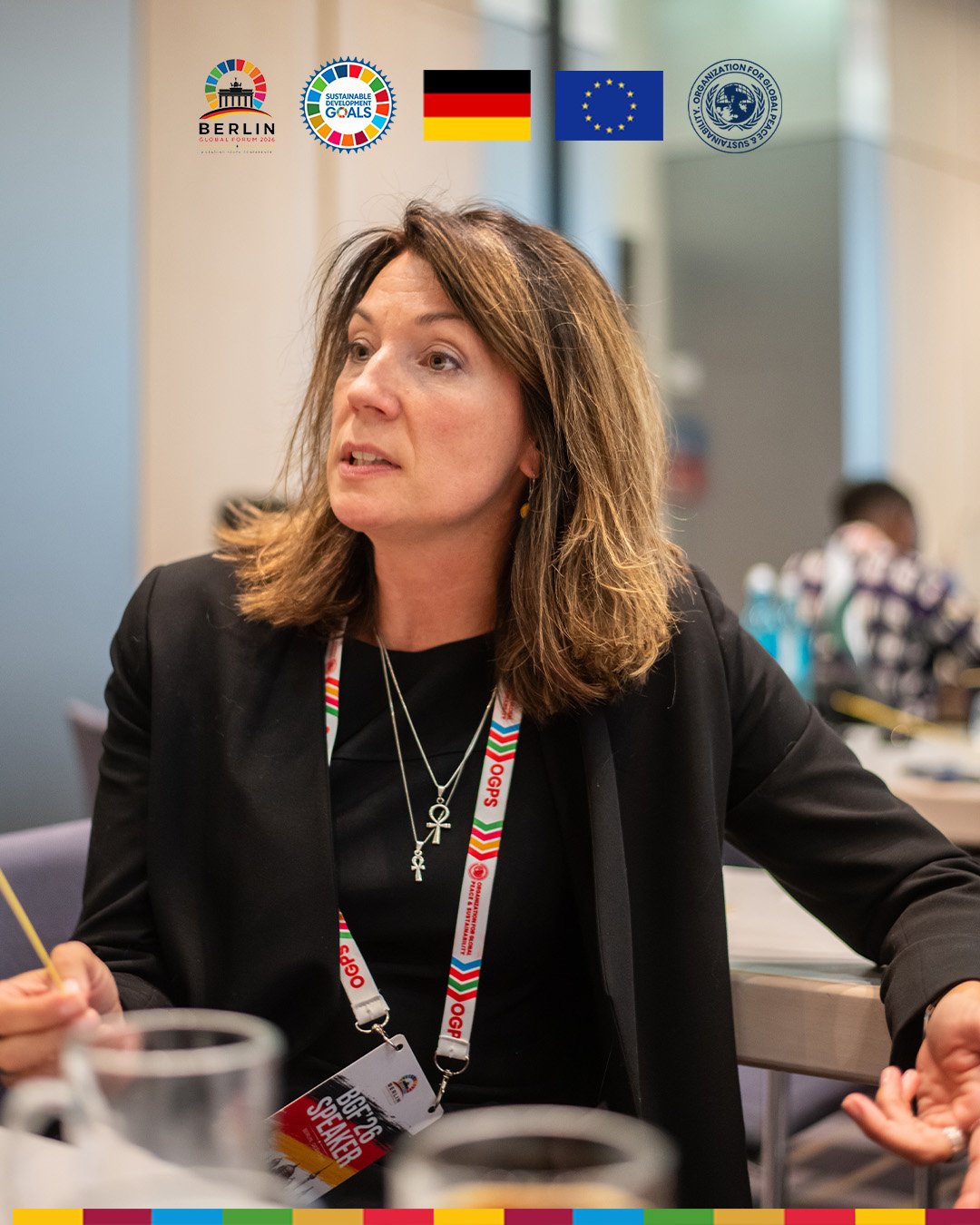
Delegate Voices
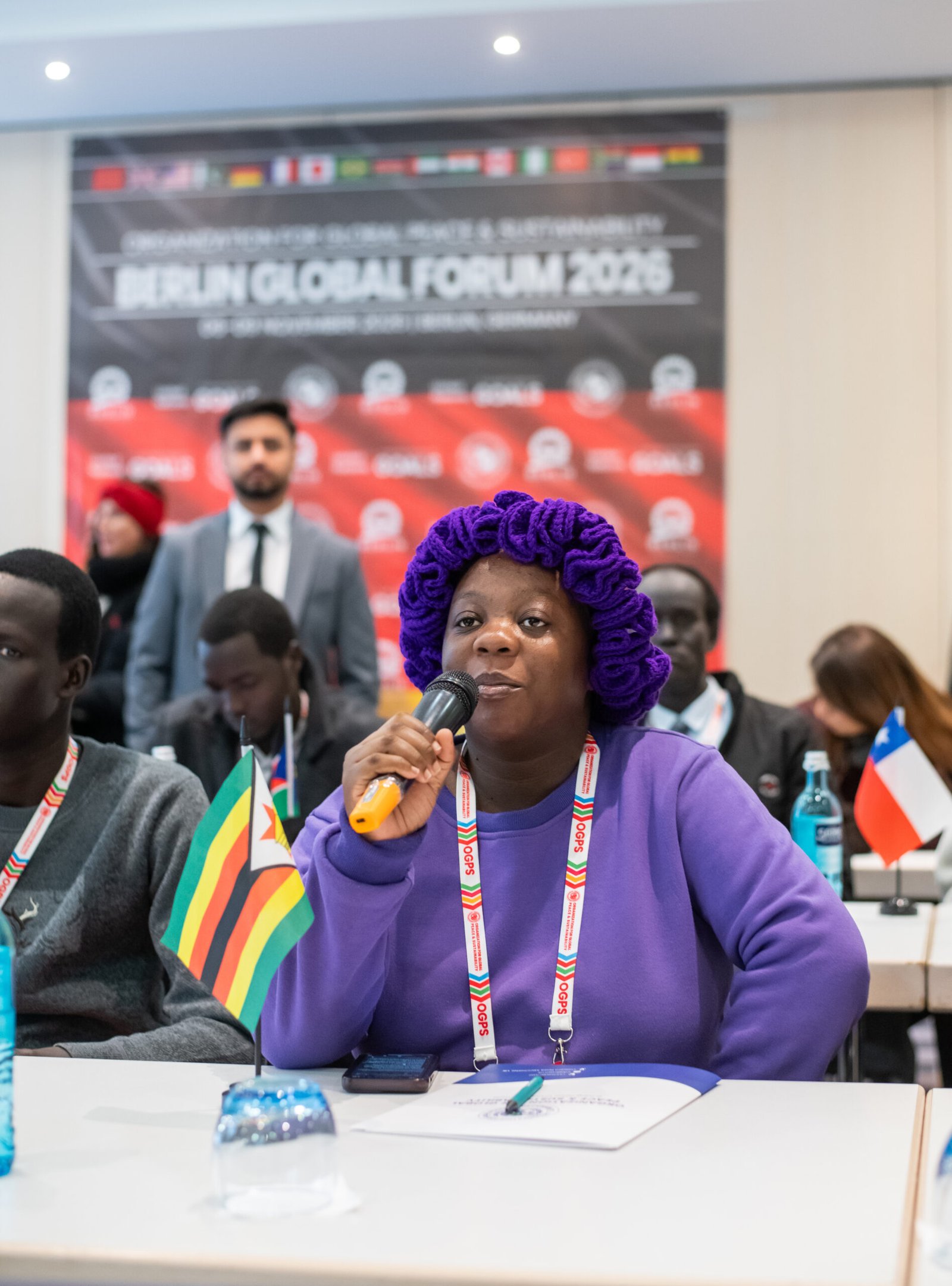
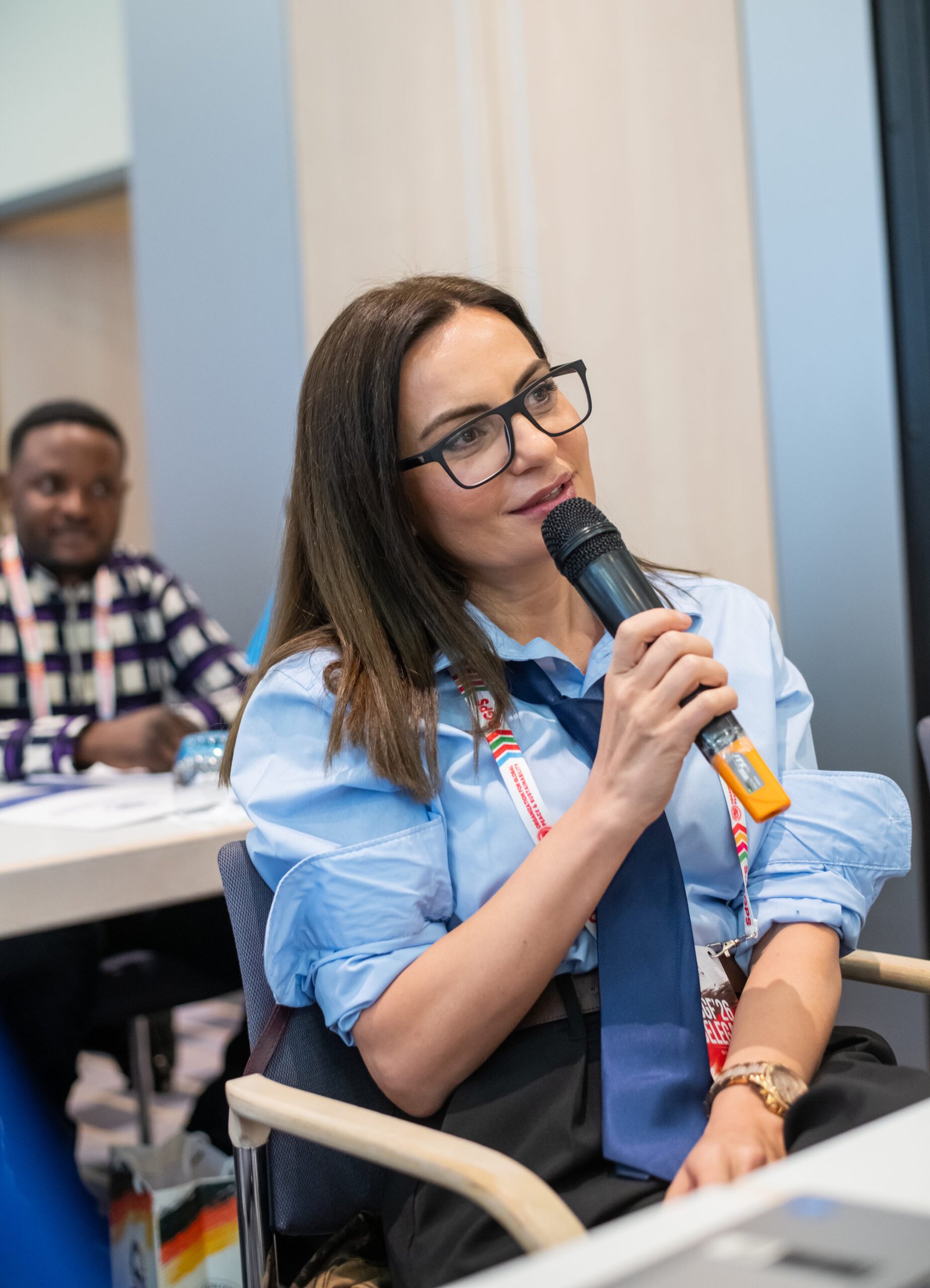
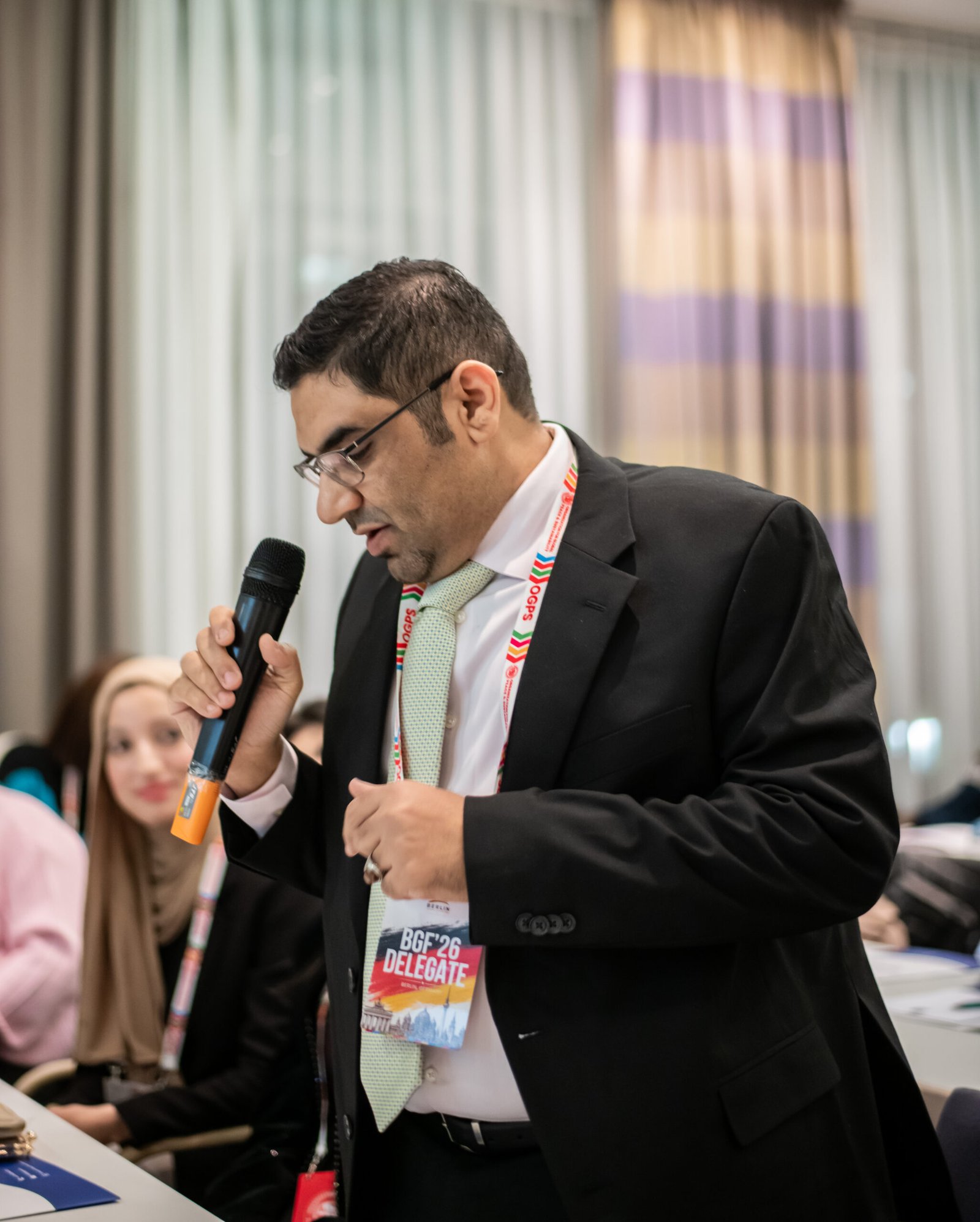
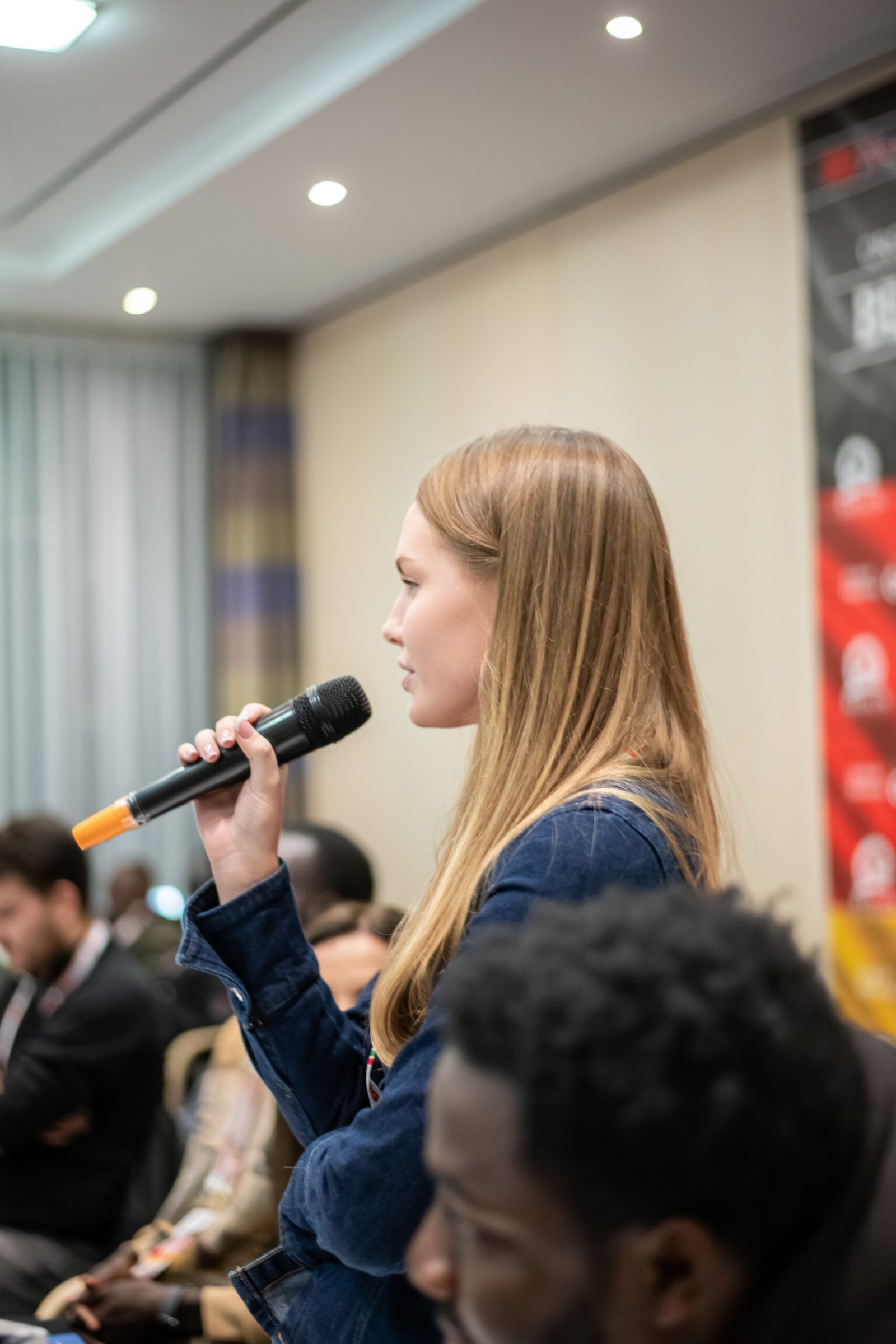
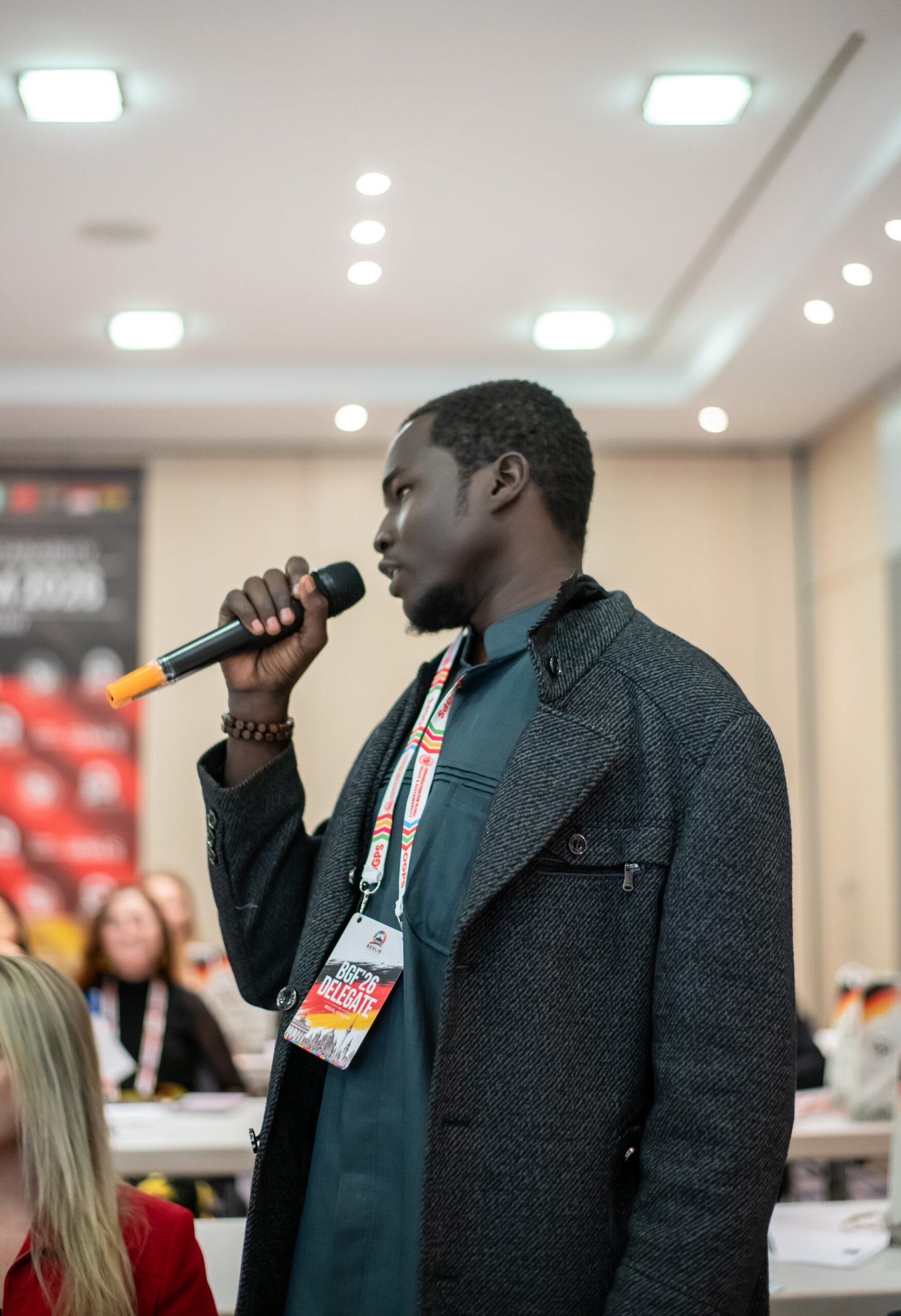
Selected by the BGF Selection Committee from the abstracts our delegates submitted. Proud to present the voices of our delegates.
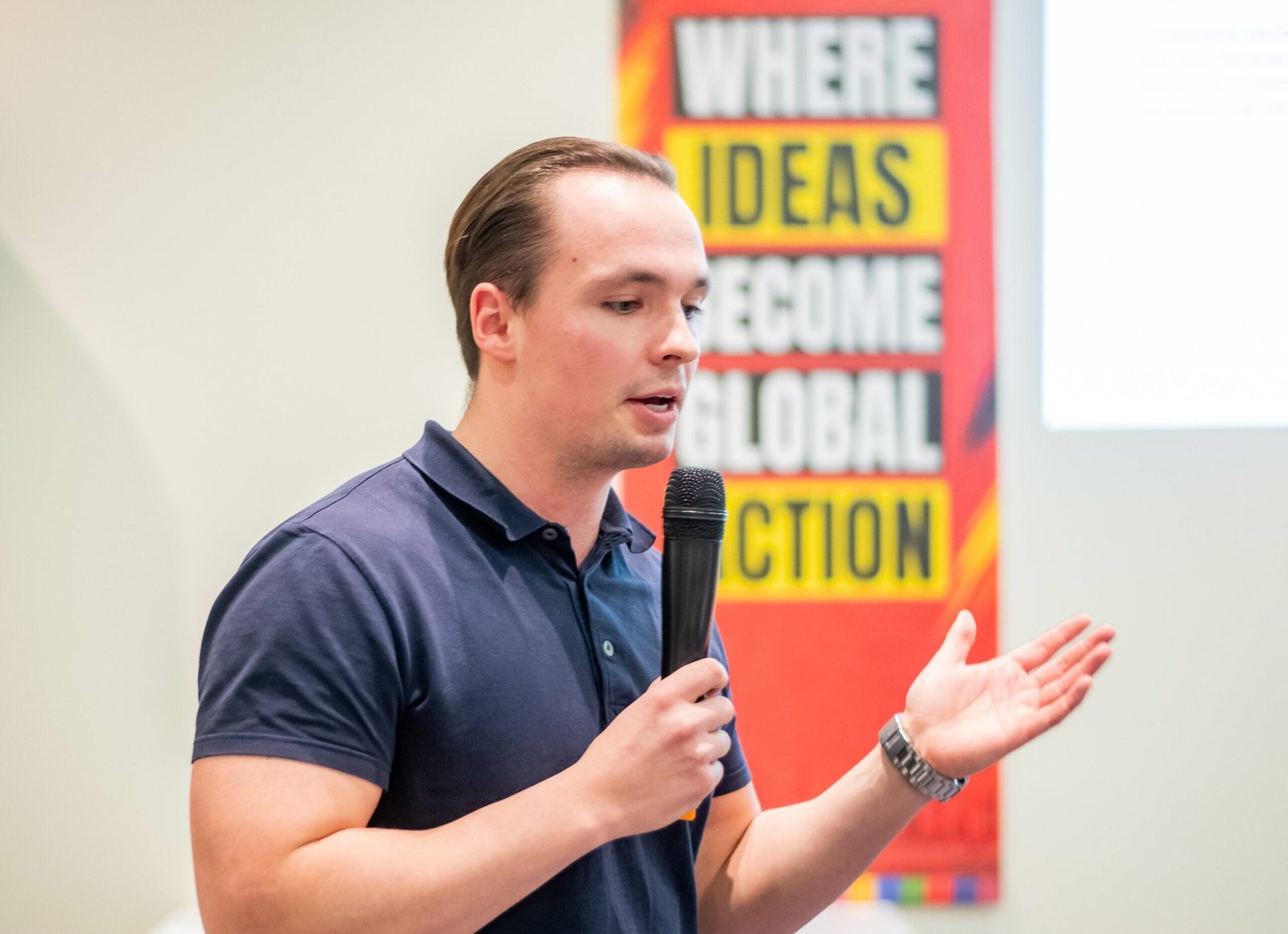
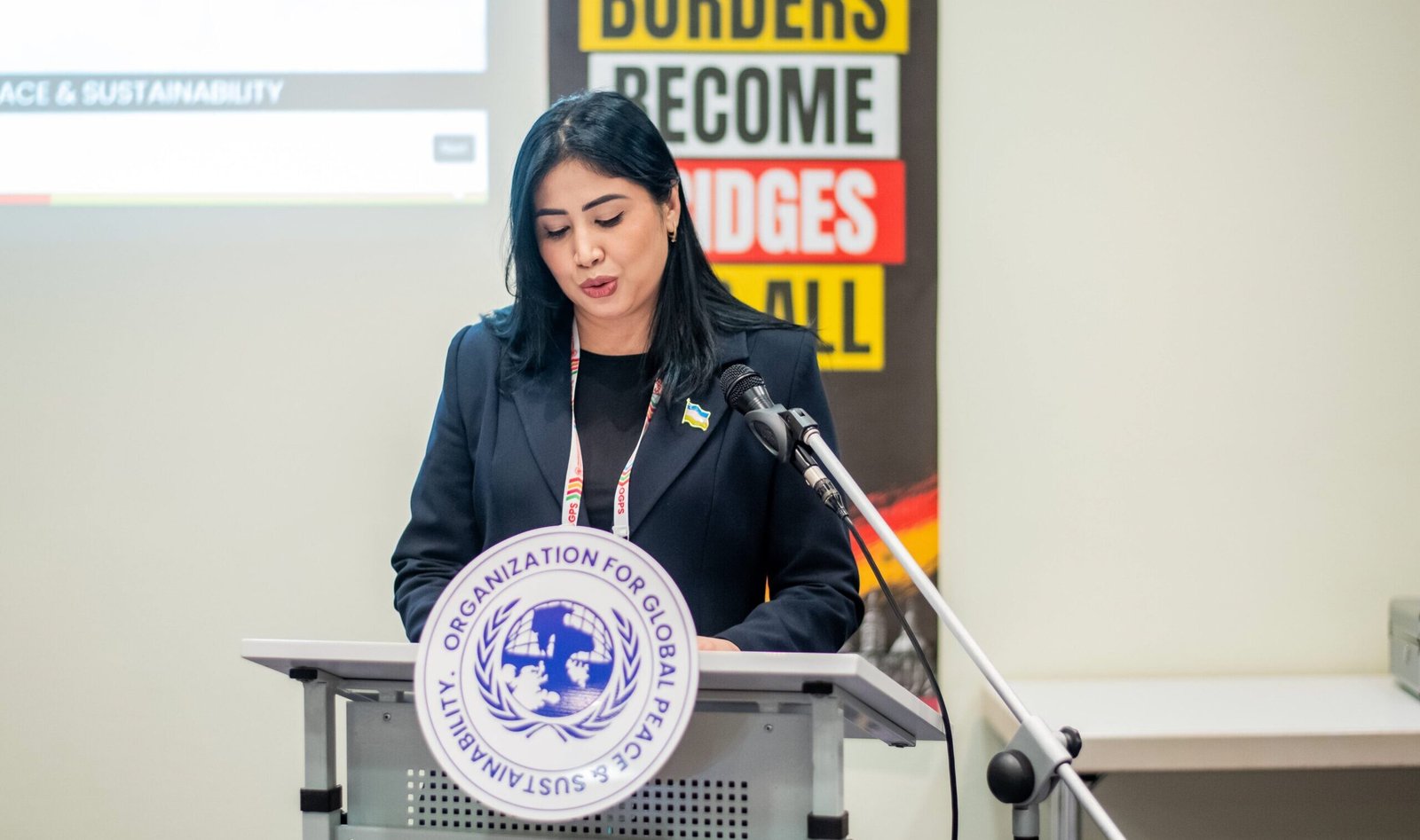
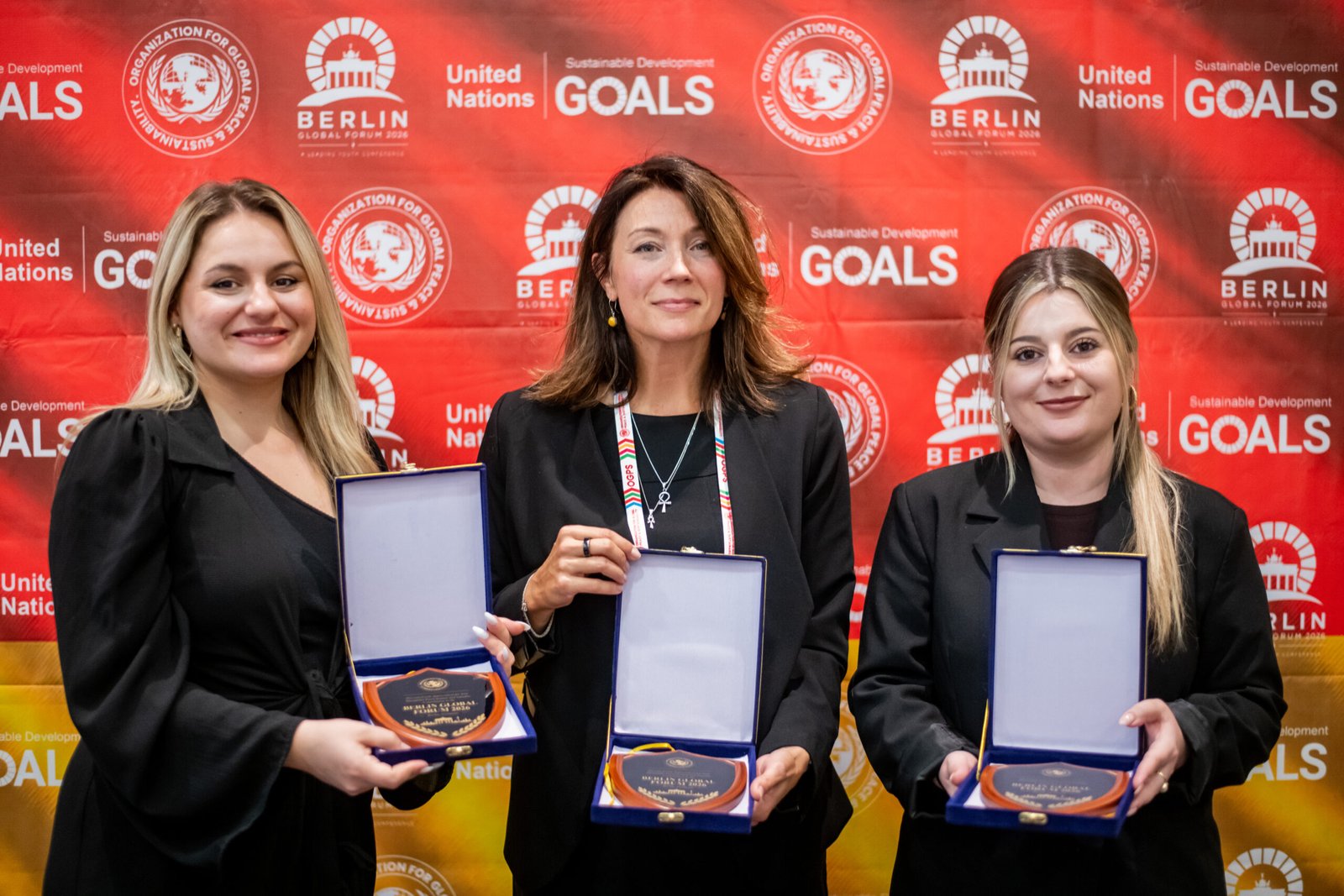
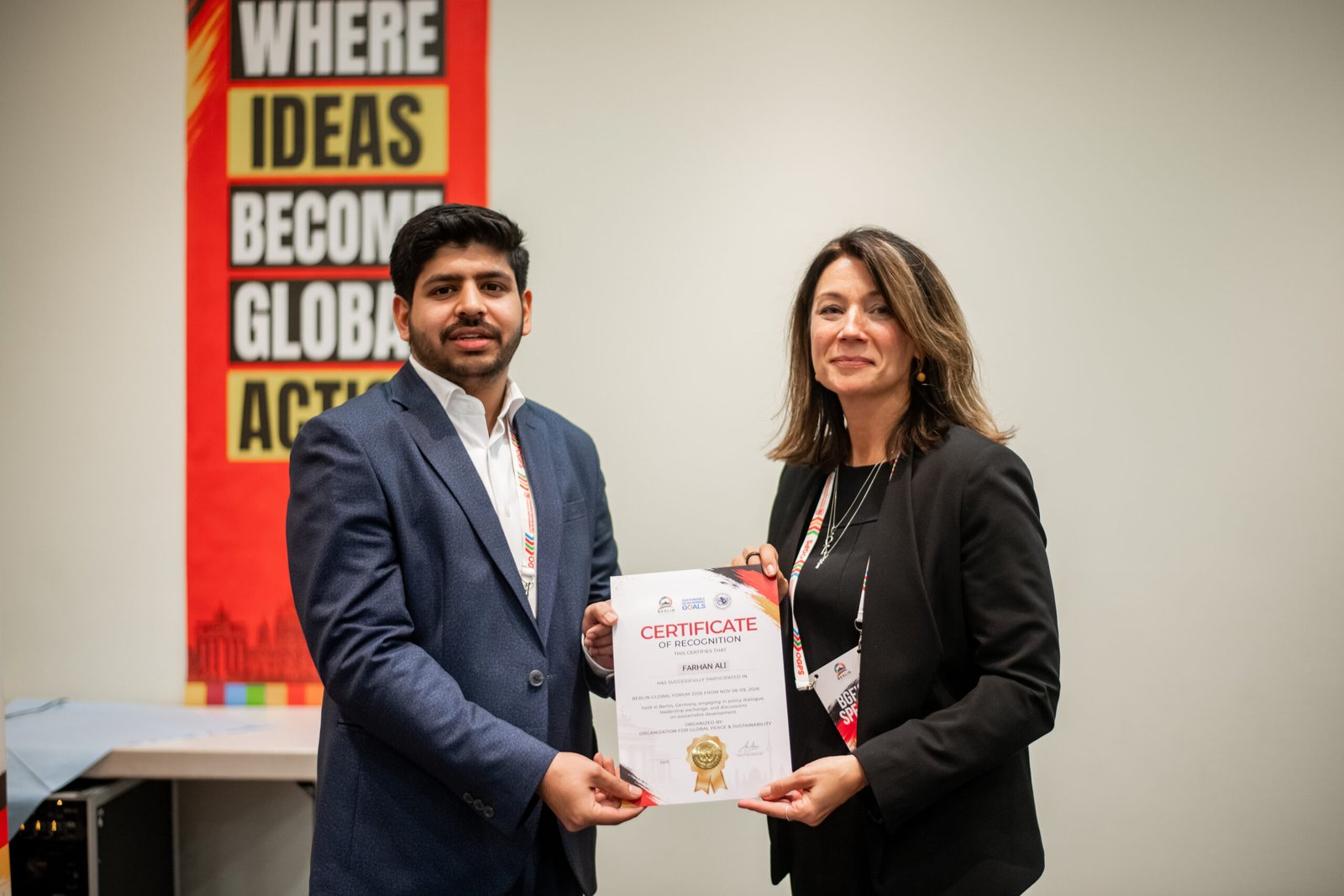
Recognition & Graduation
Celebrating the achievements, hard work, and unforgettable moments of our global delegates.
Event Gallery
Relive the moments, the connections, and the energy from the Berlin Global Forum 2026.

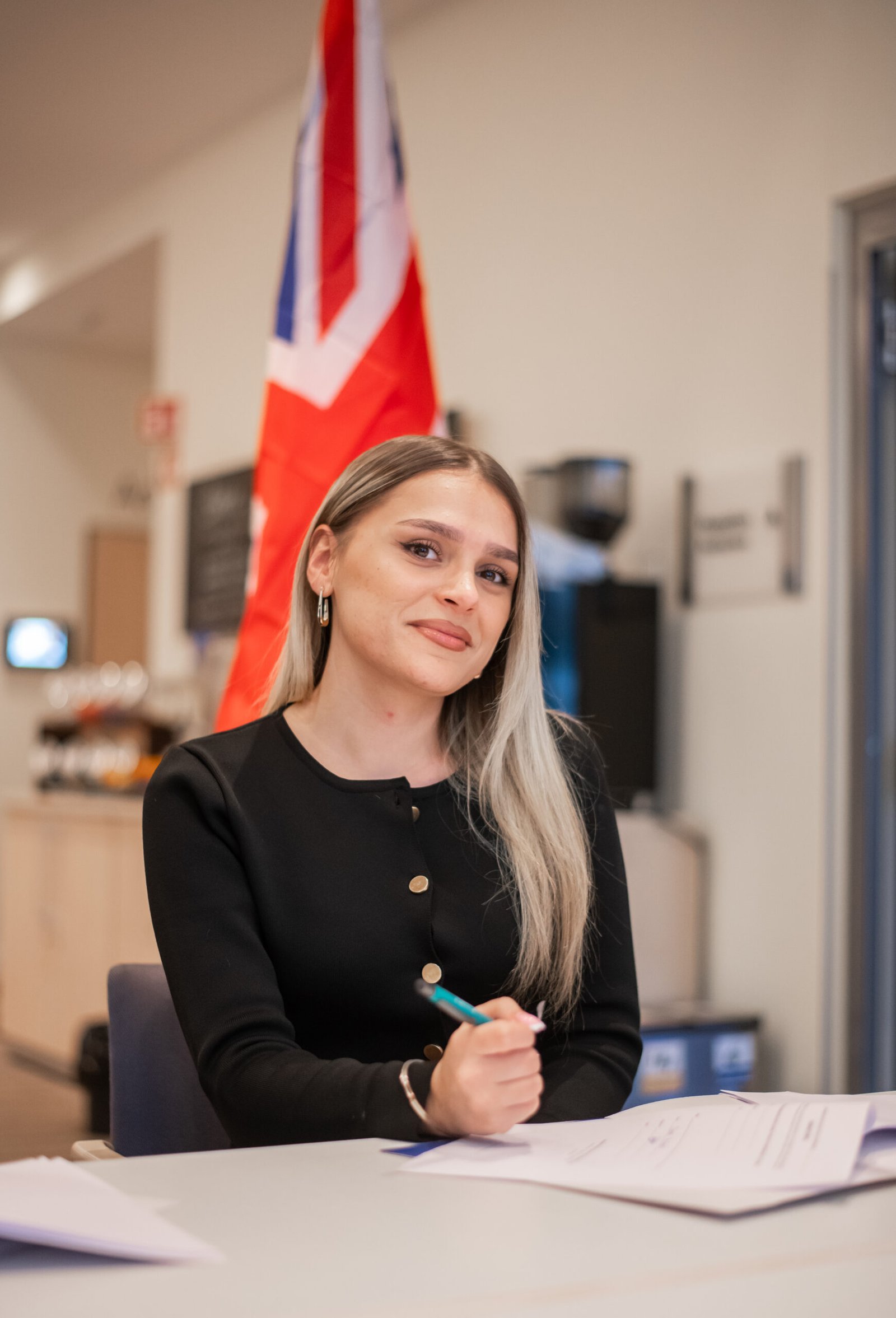


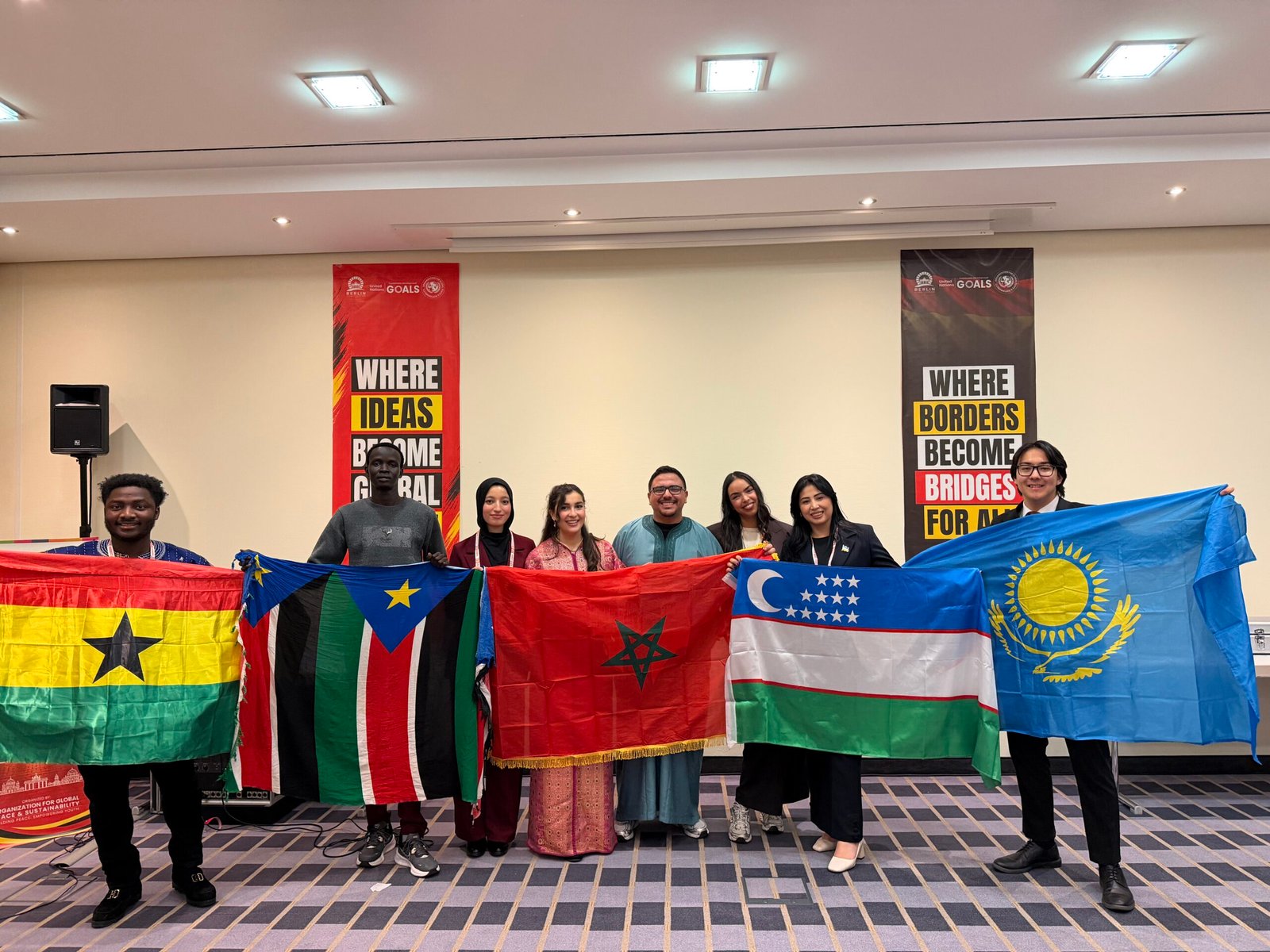

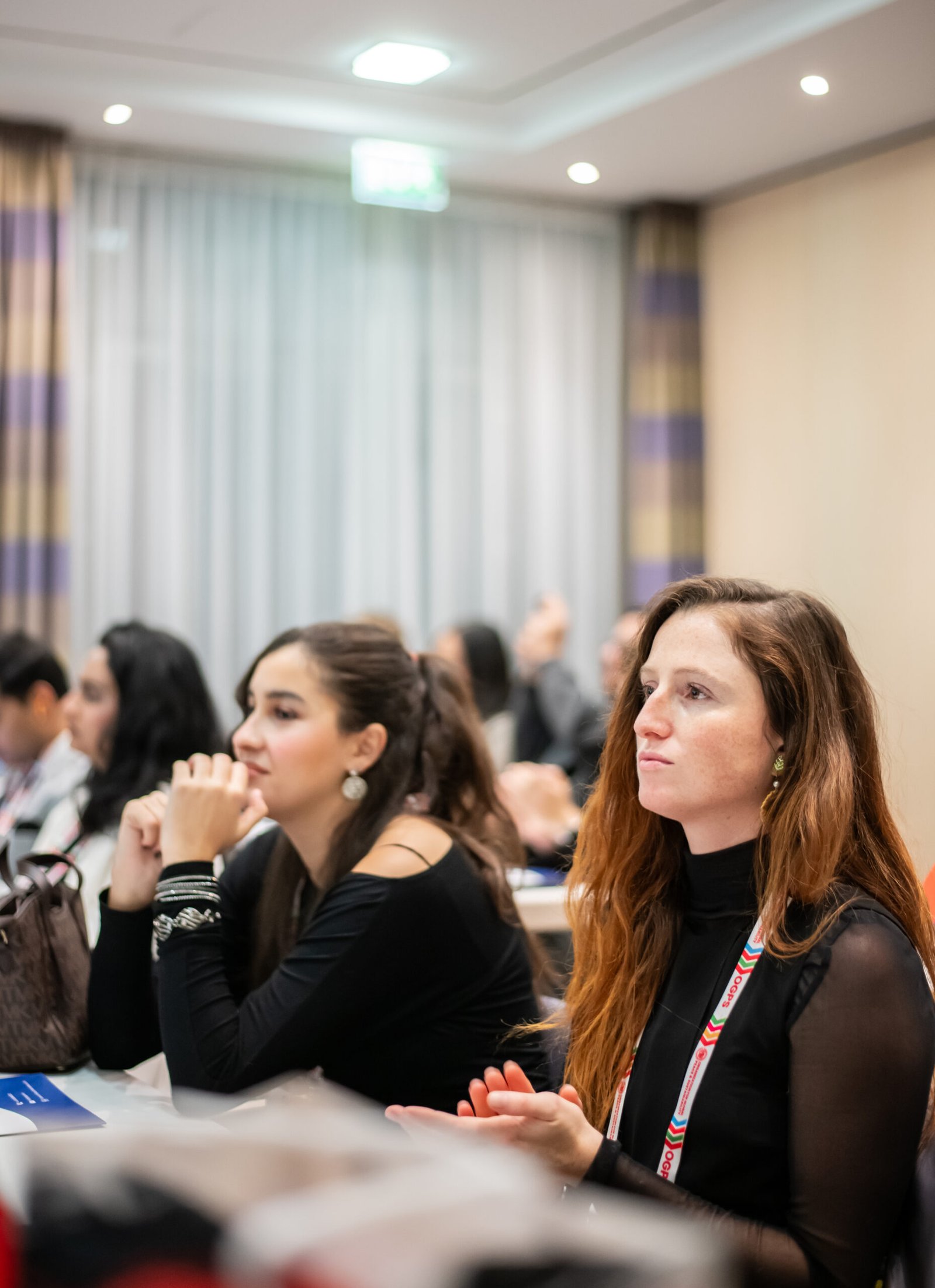


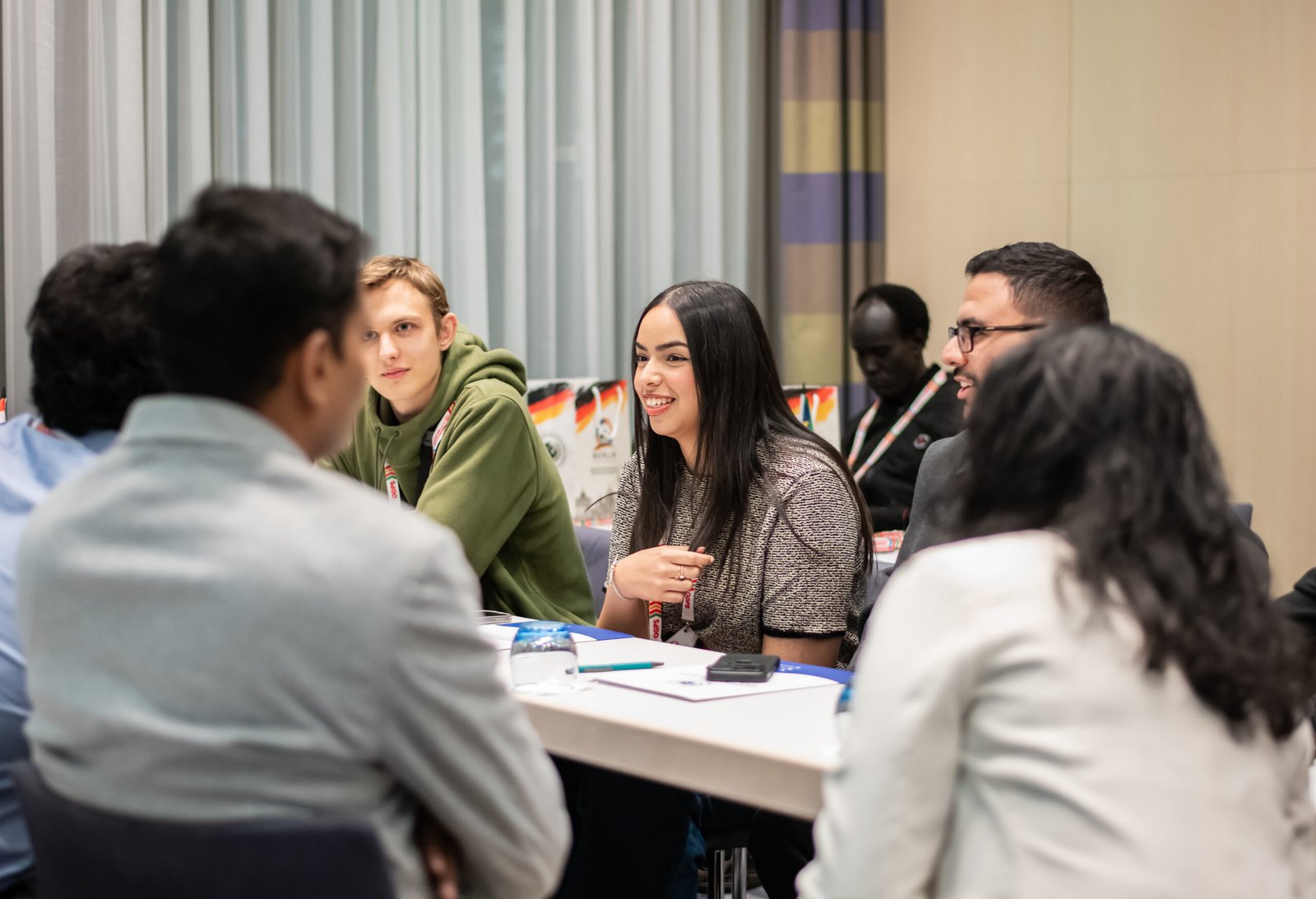


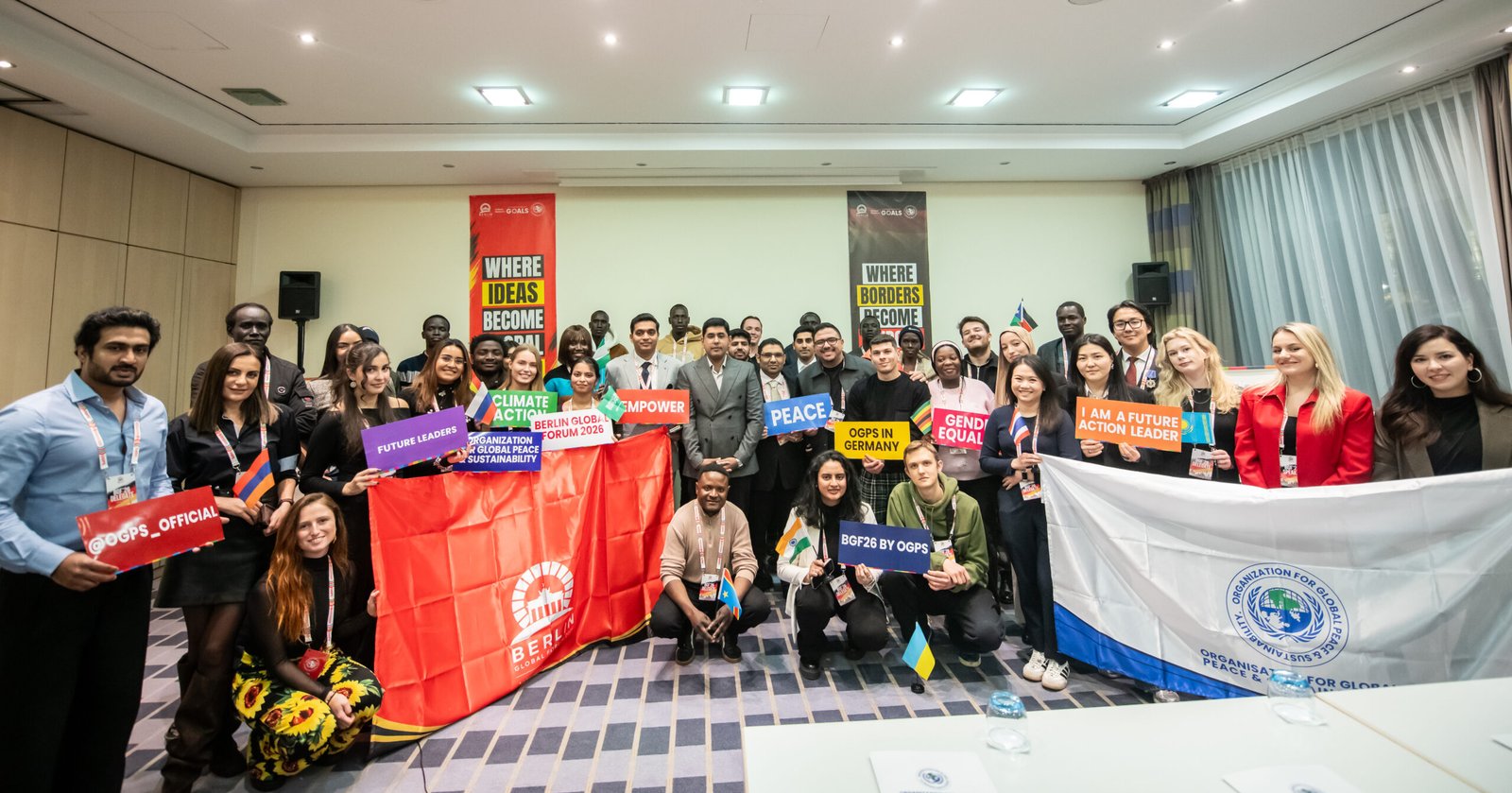
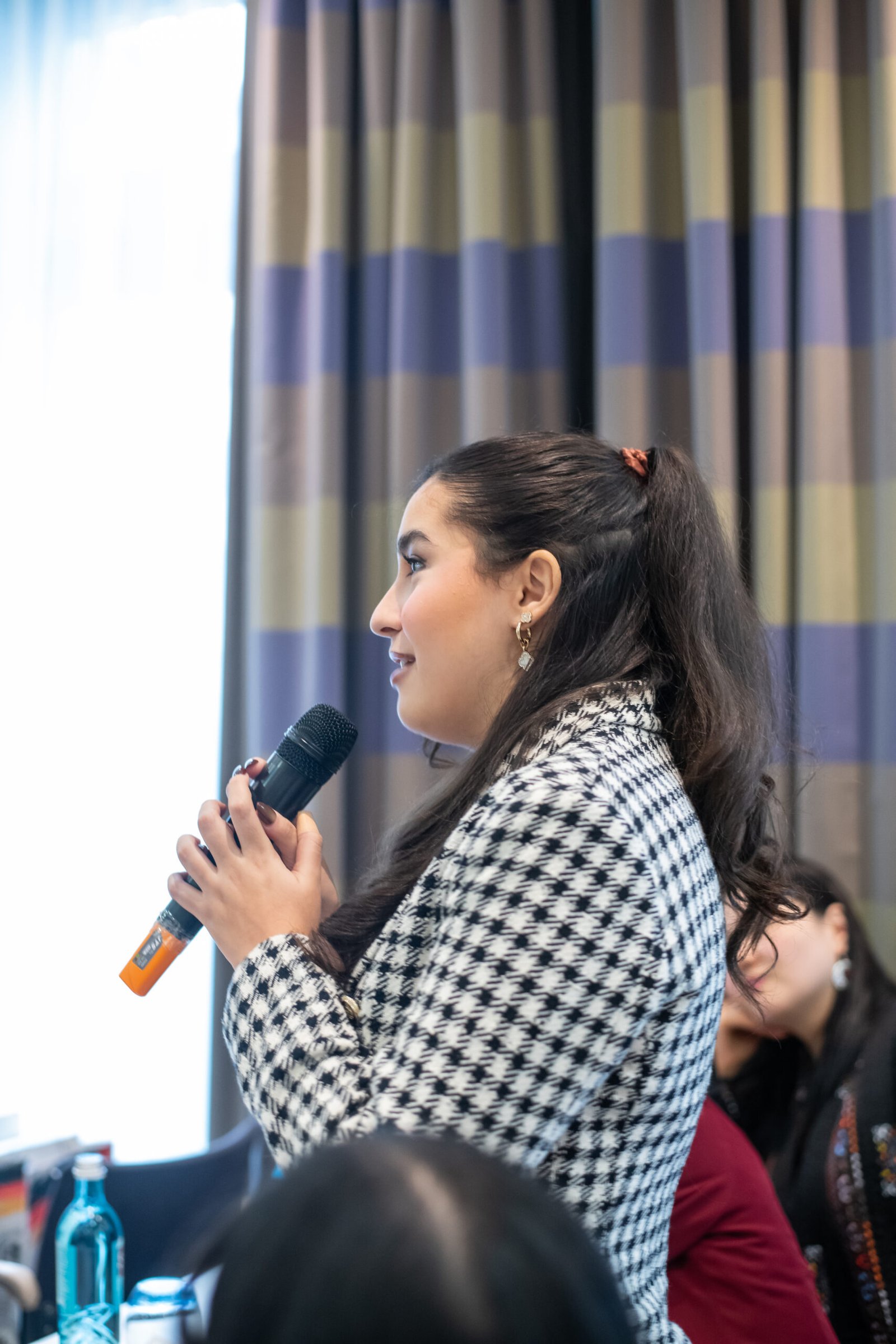

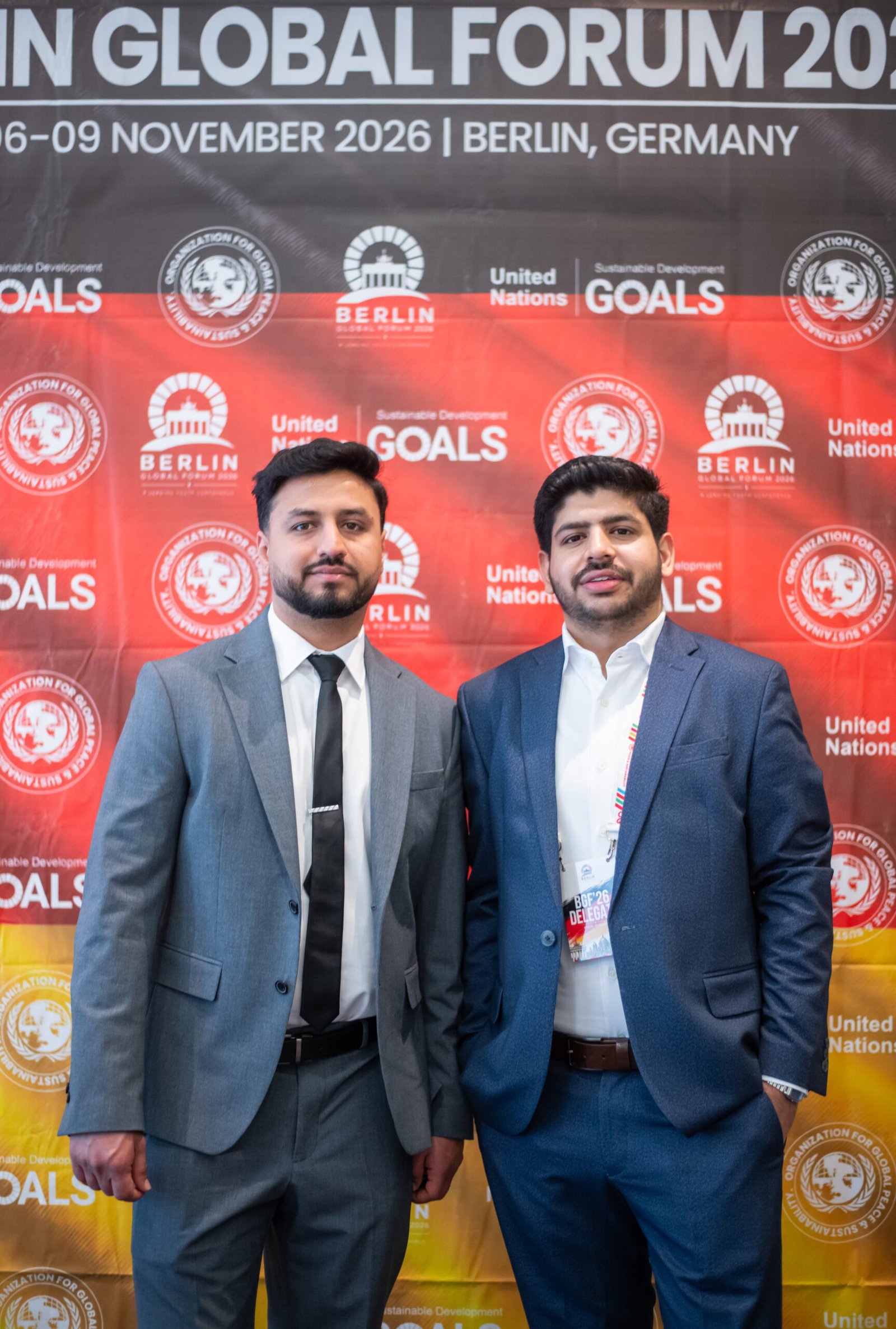

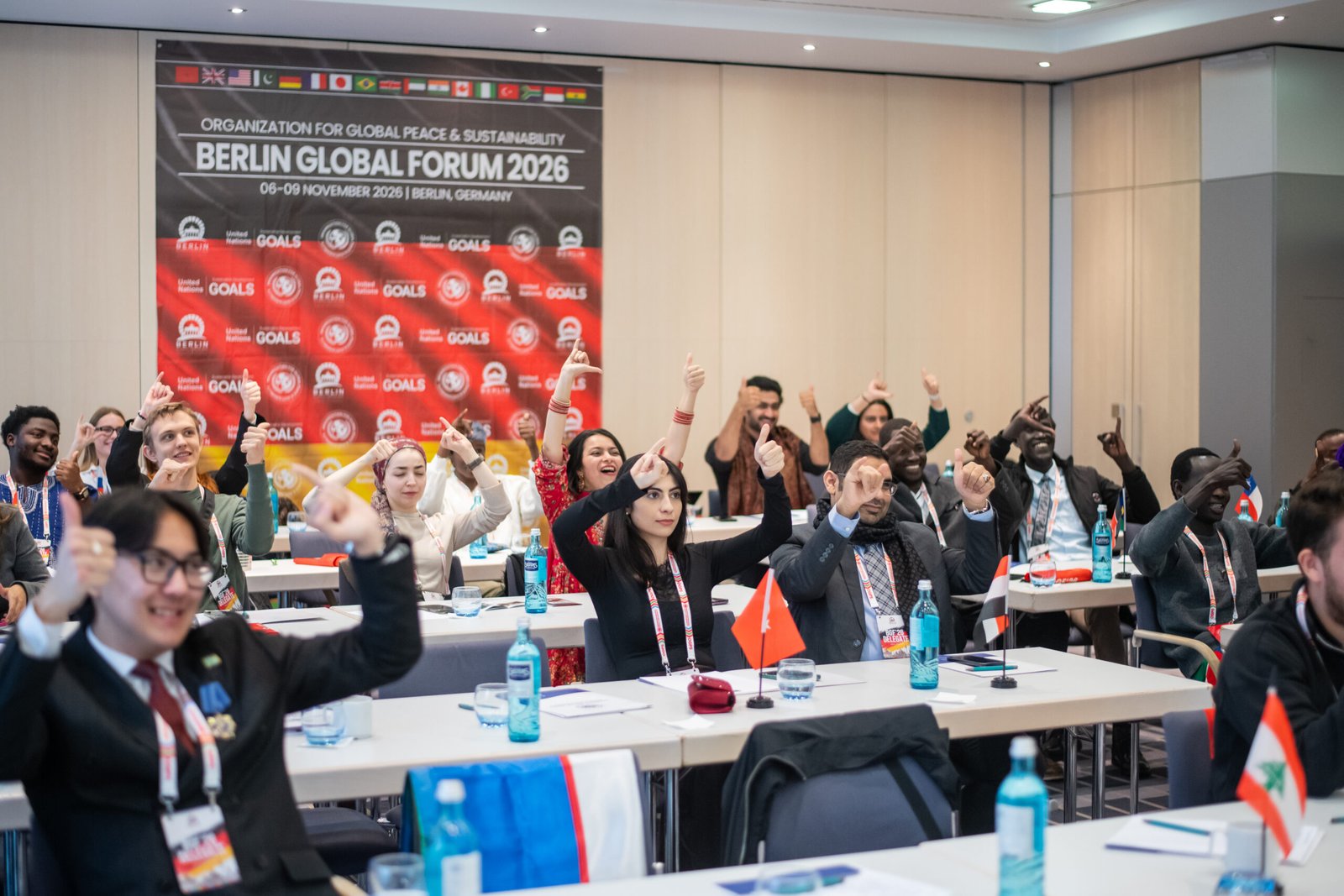



Faces of the Forum
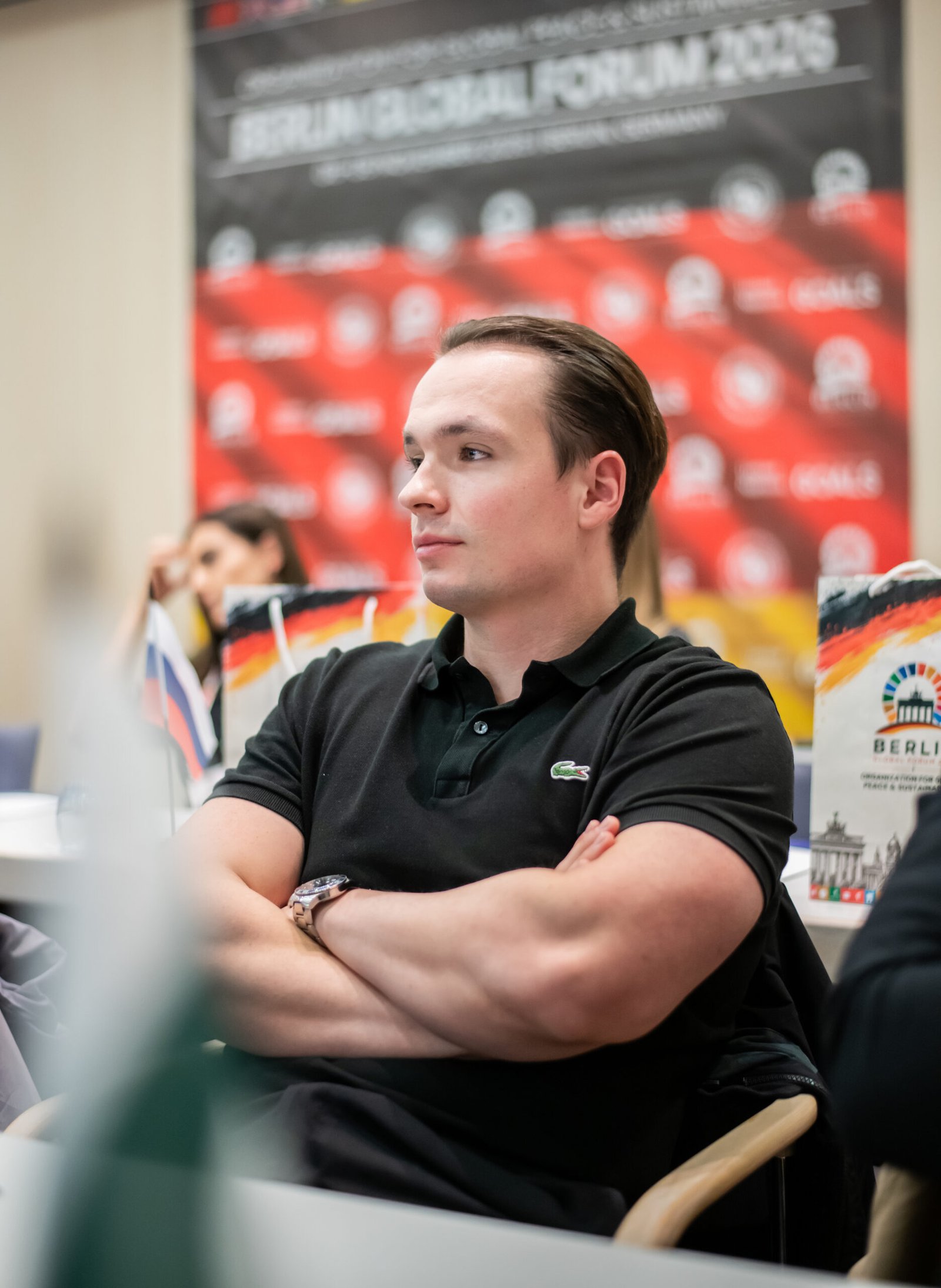
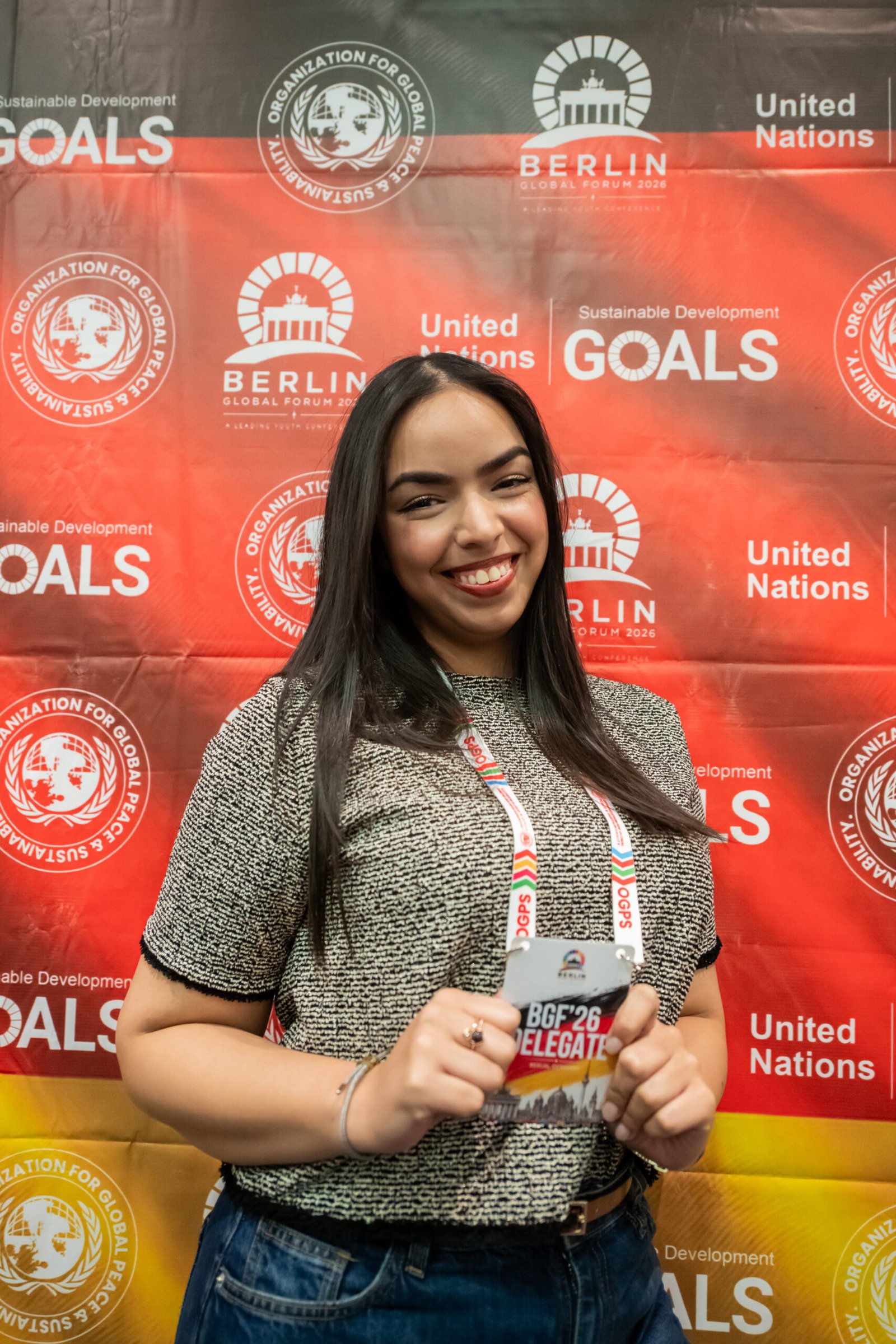
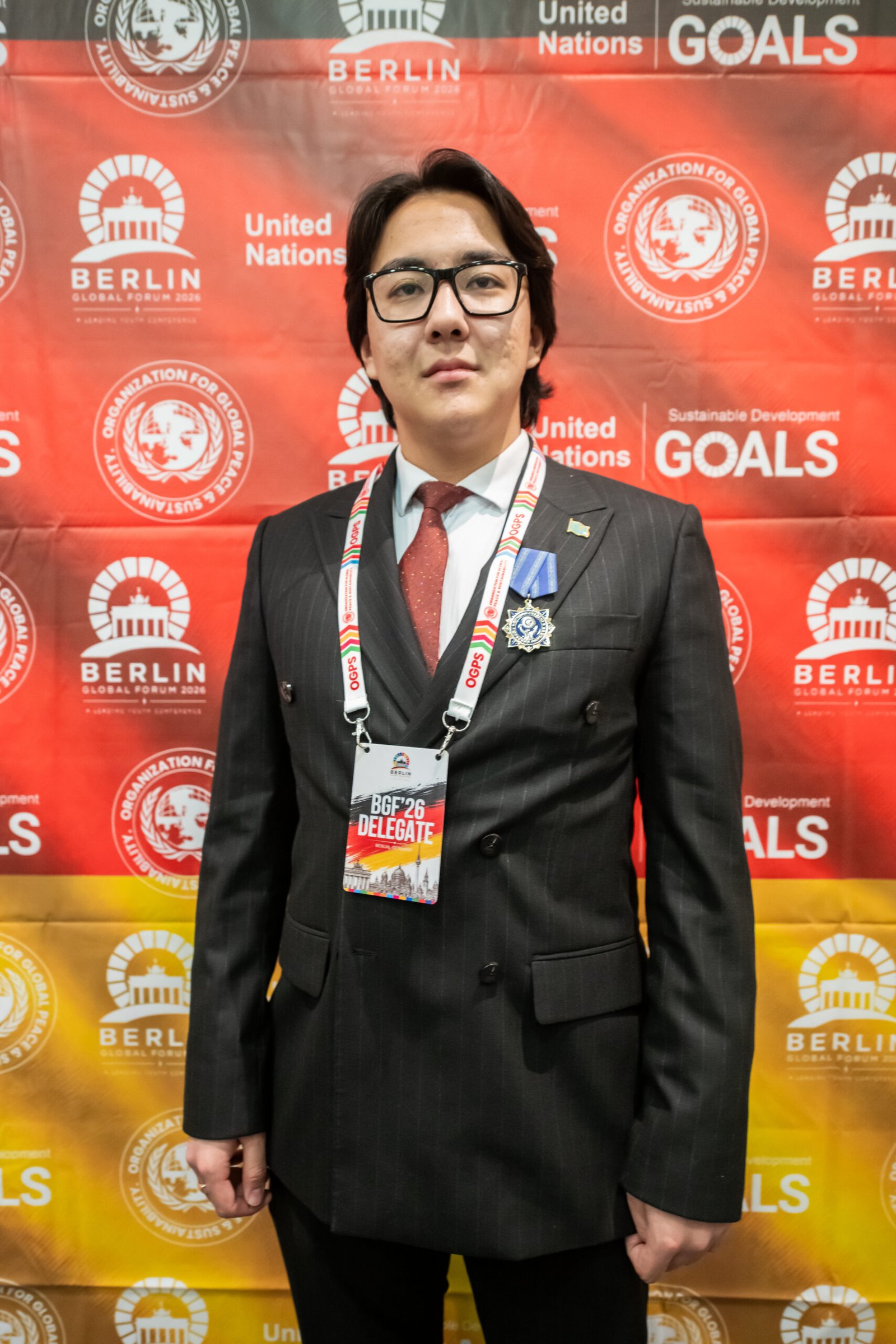
Young leaders from across the world, one shared purpose.