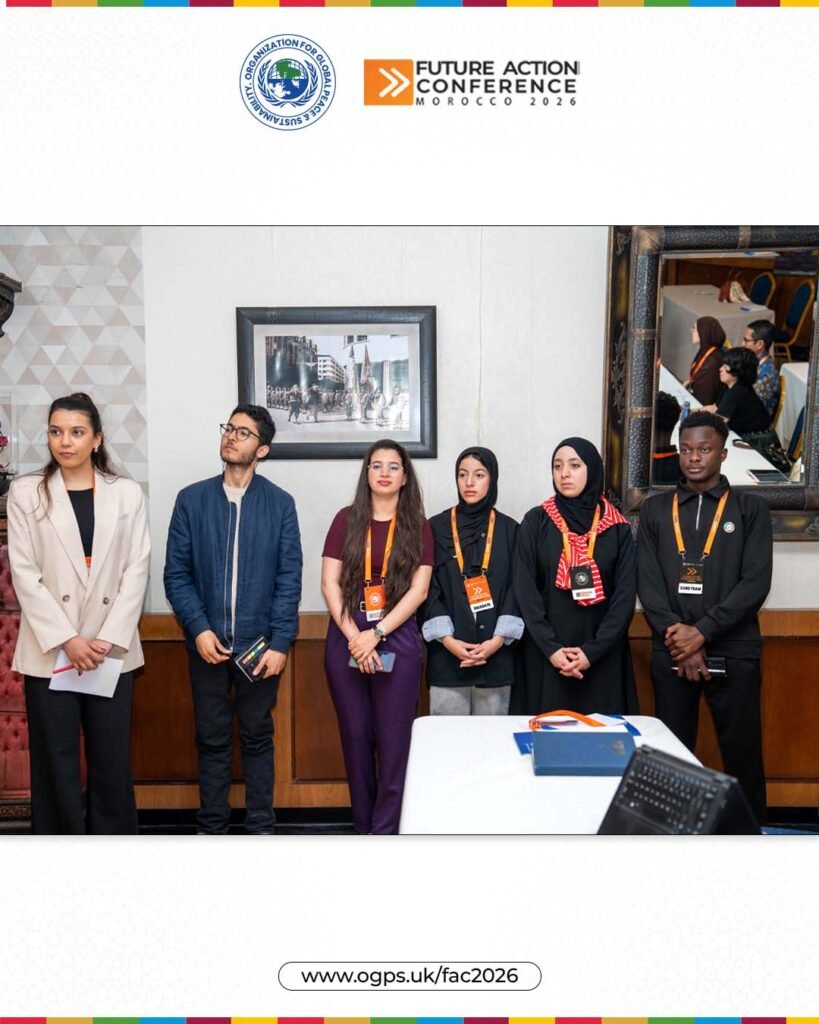
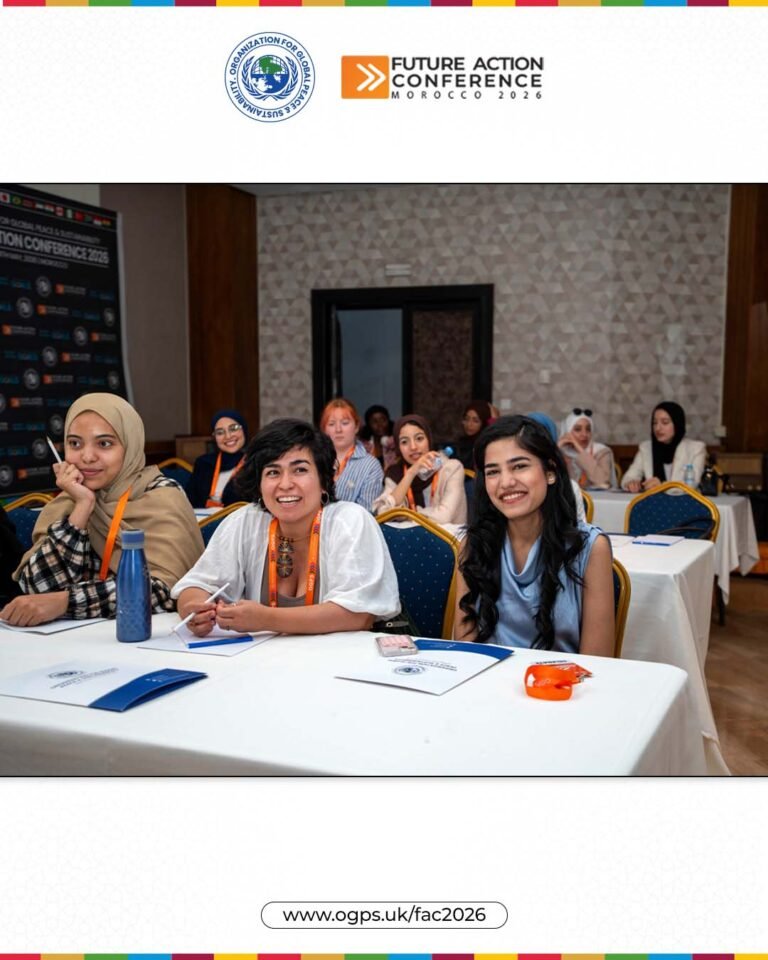
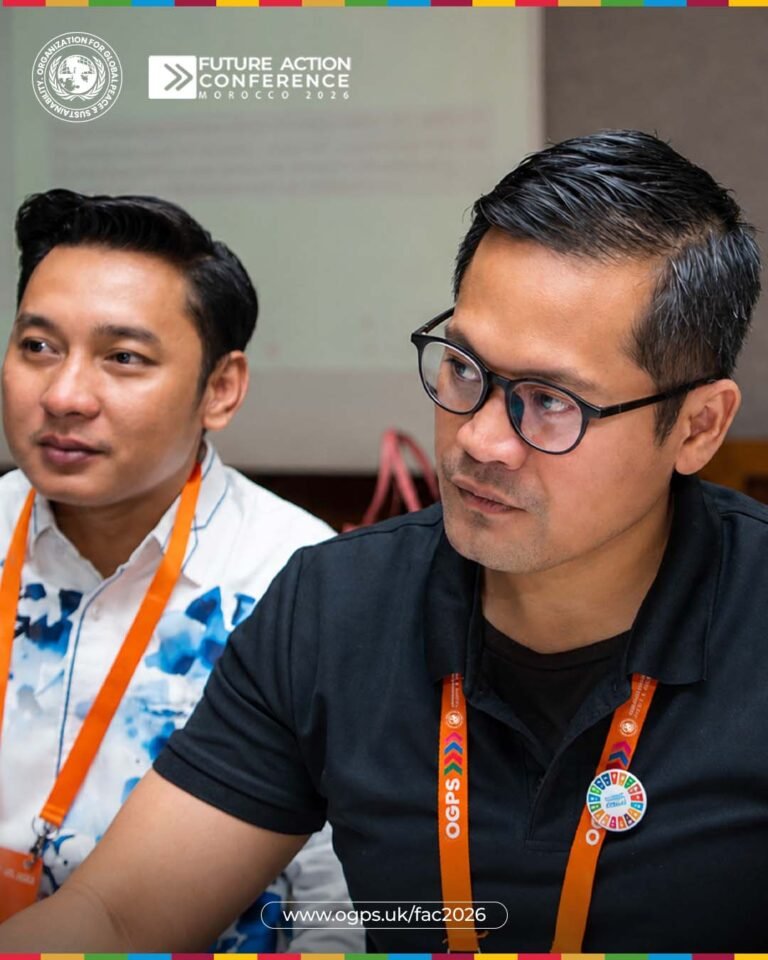
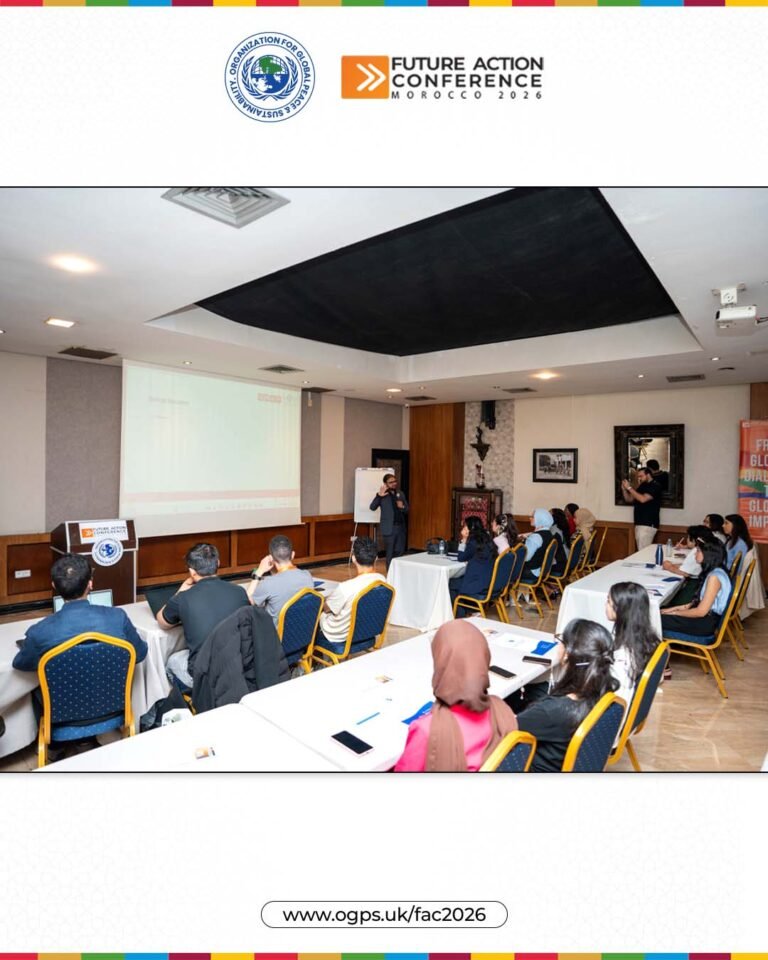
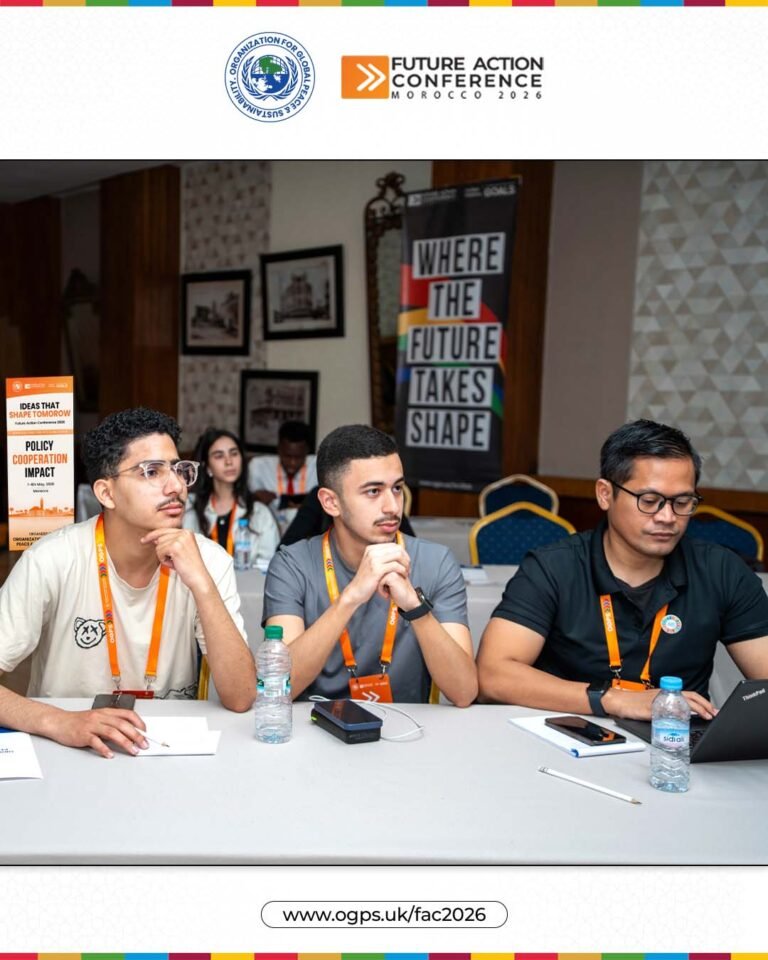
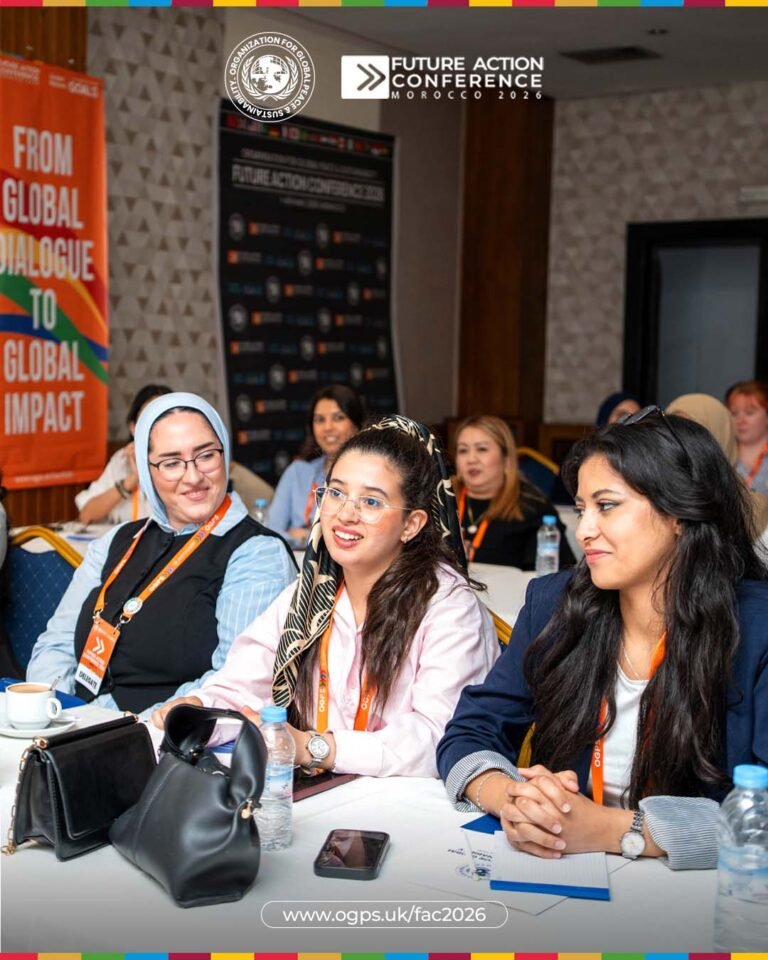
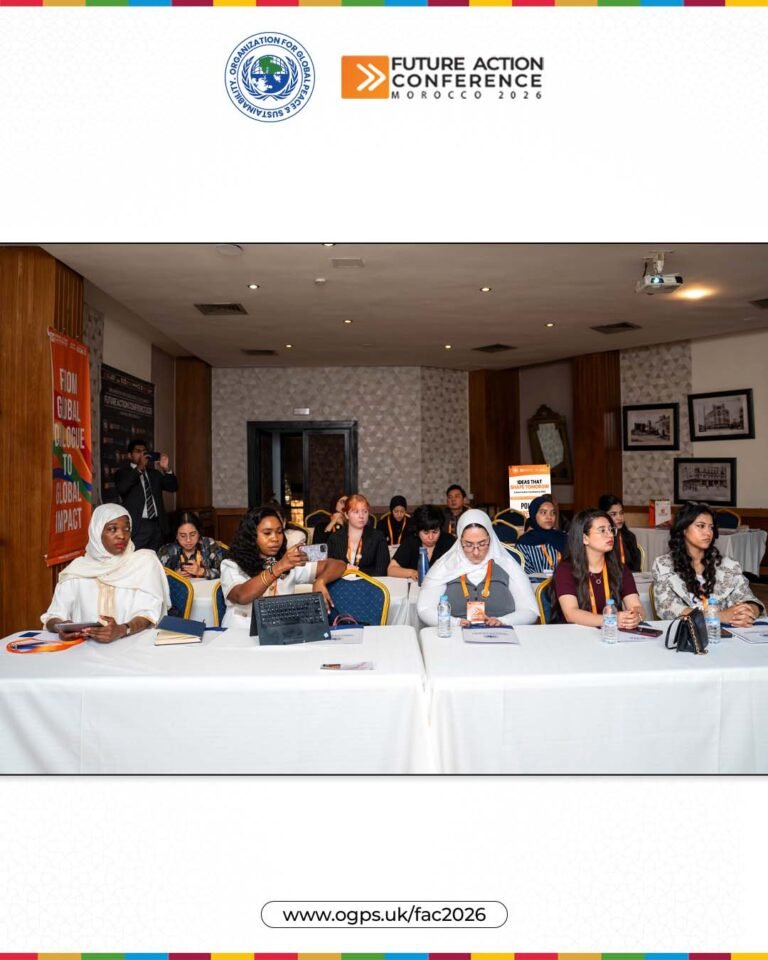
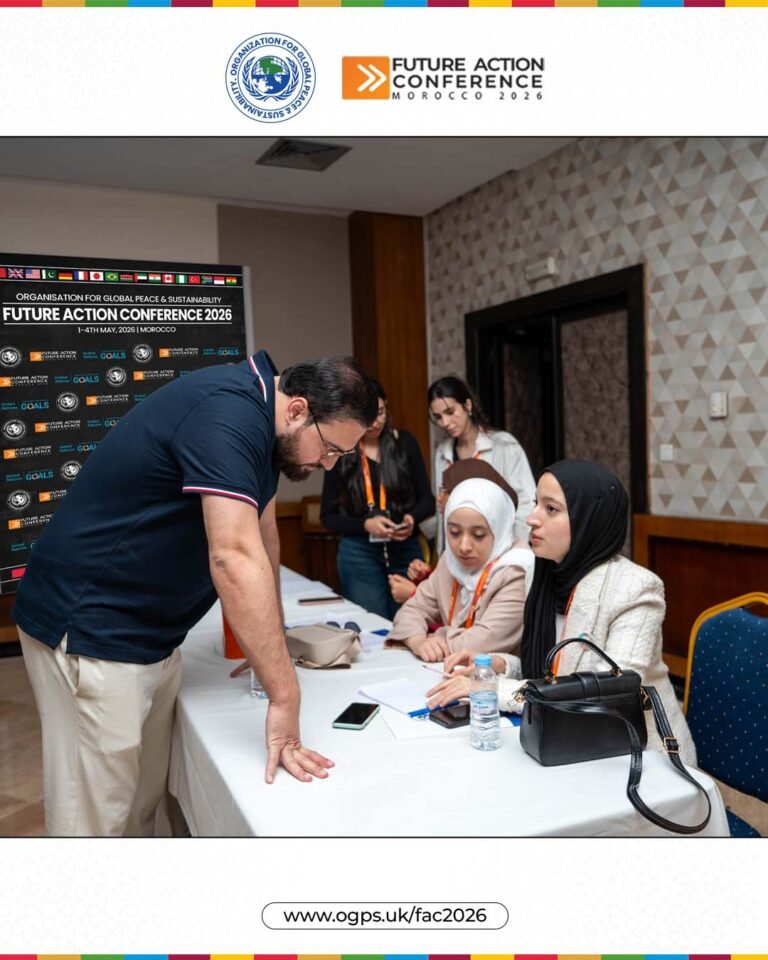
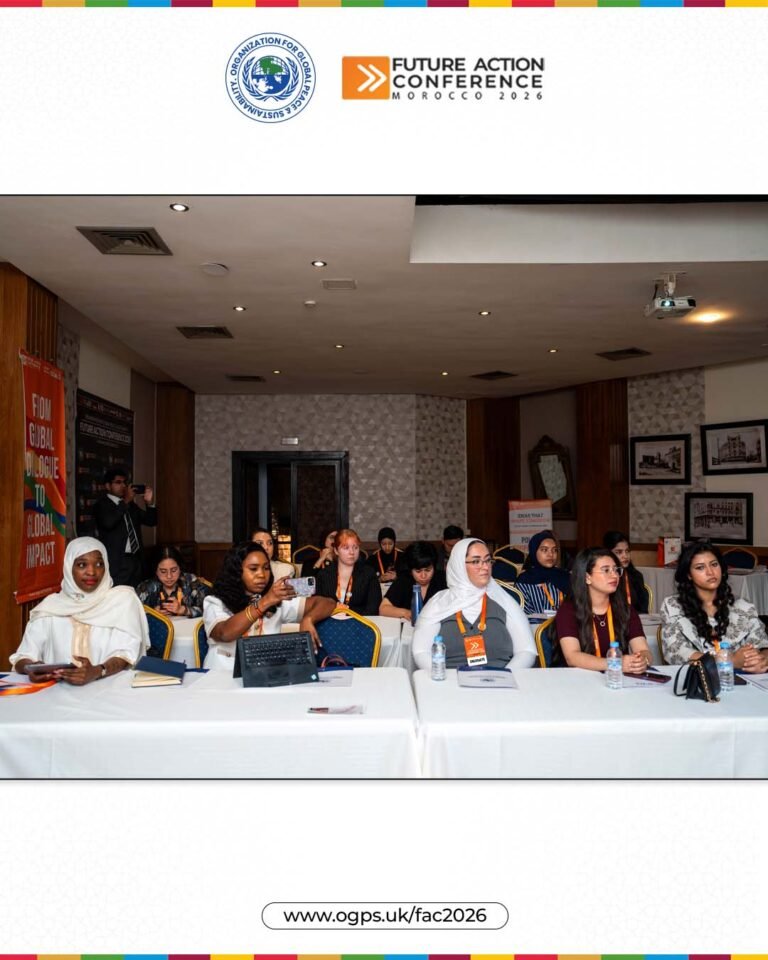
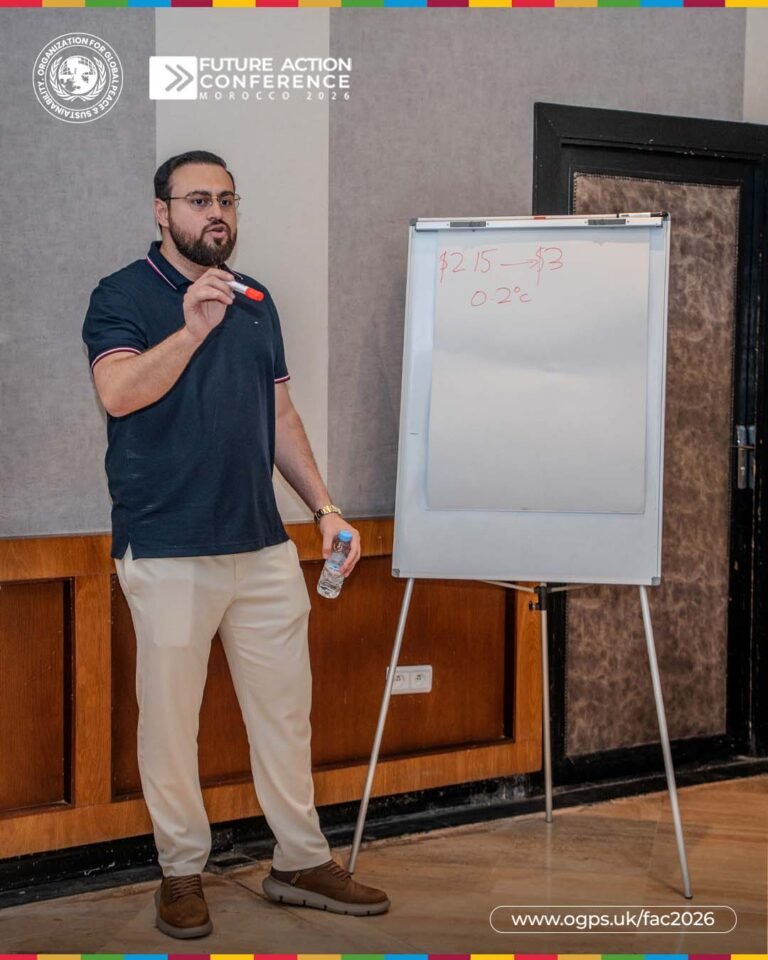
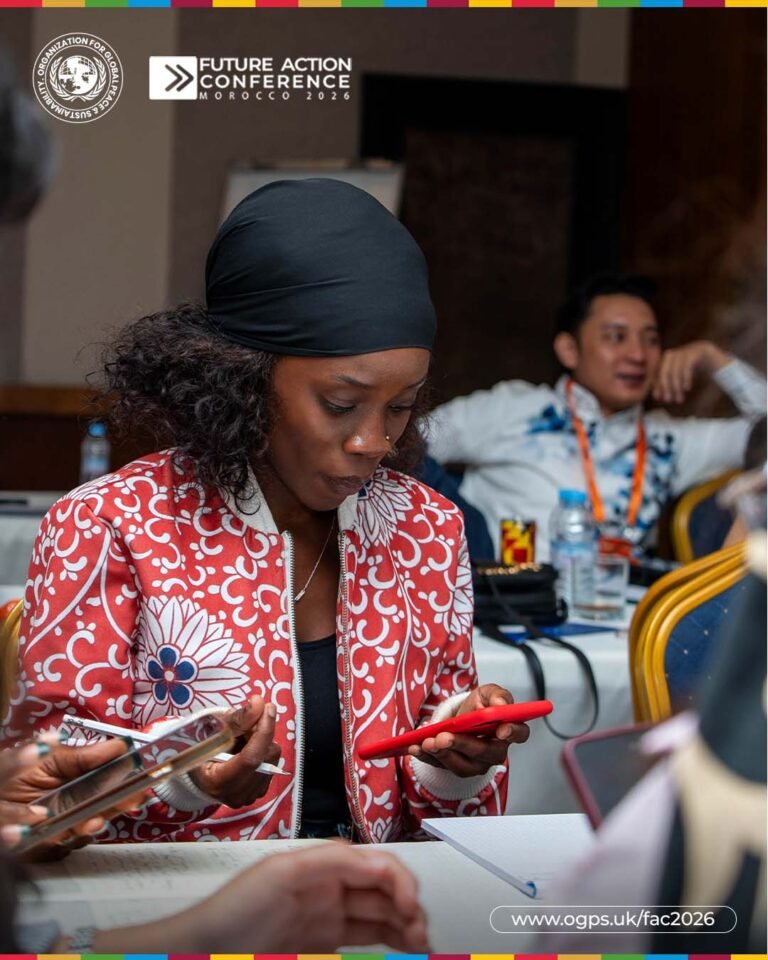
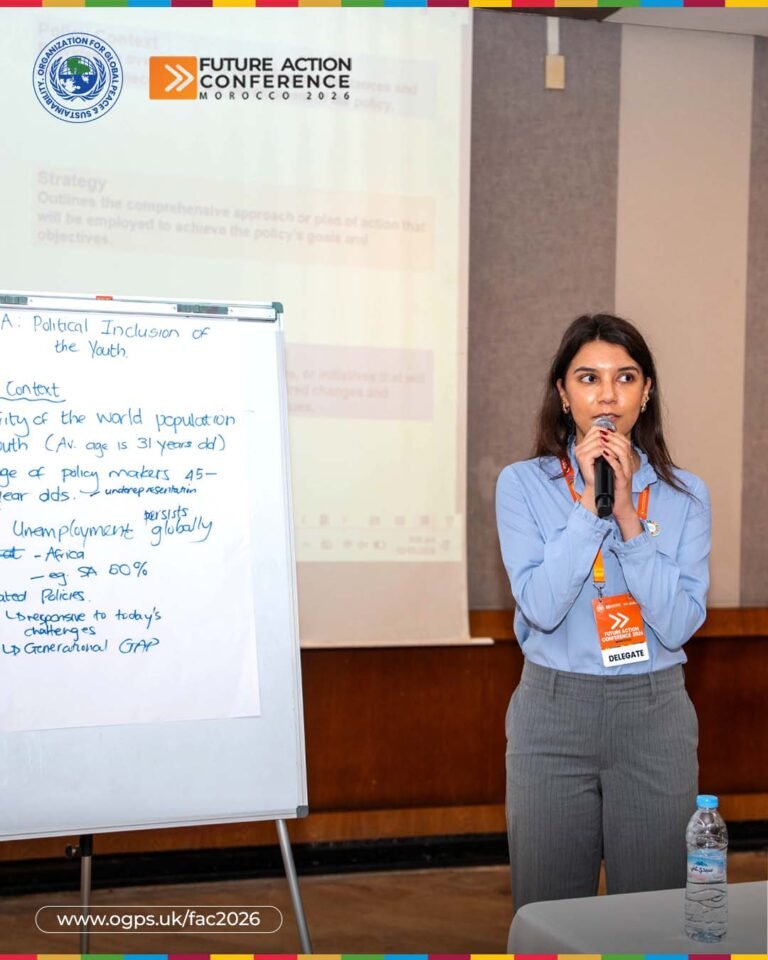
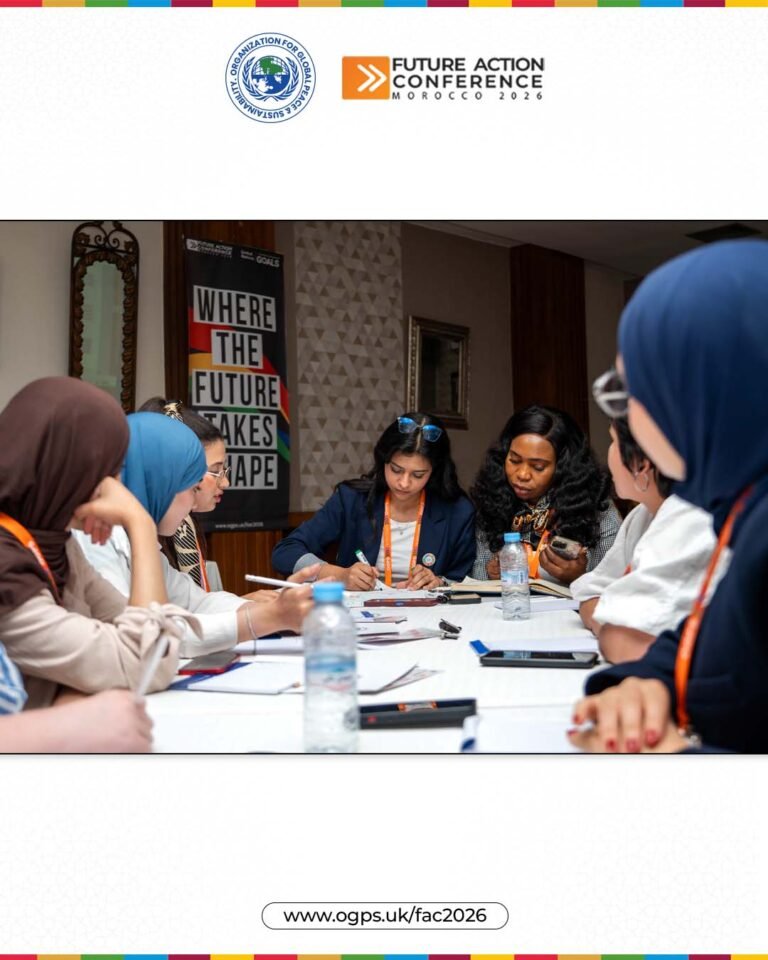
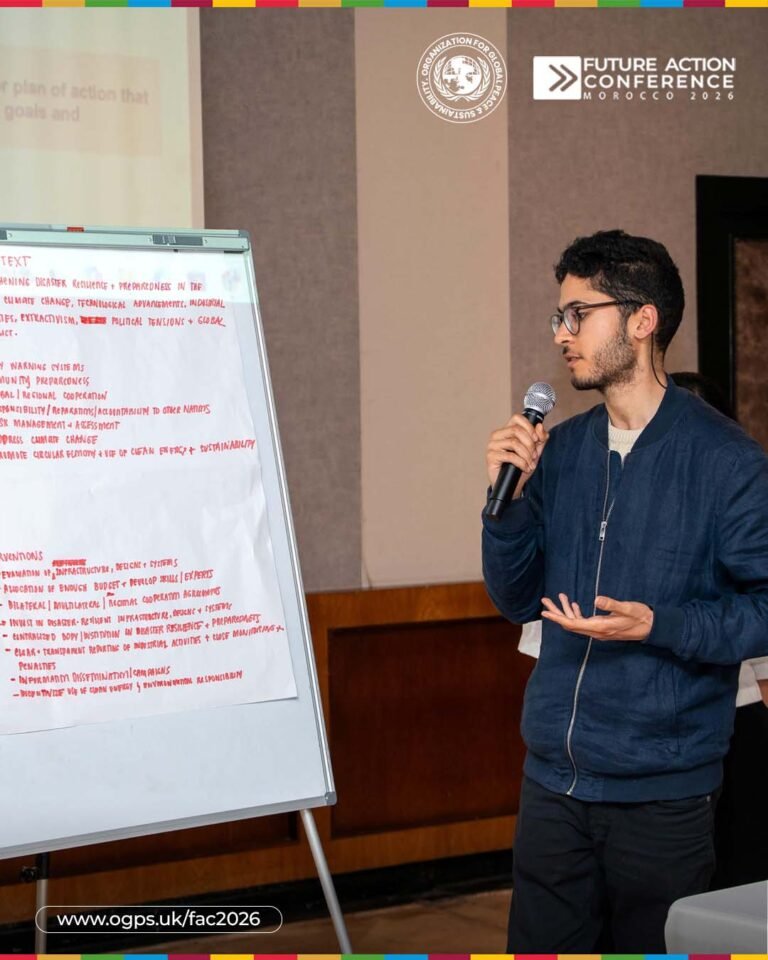
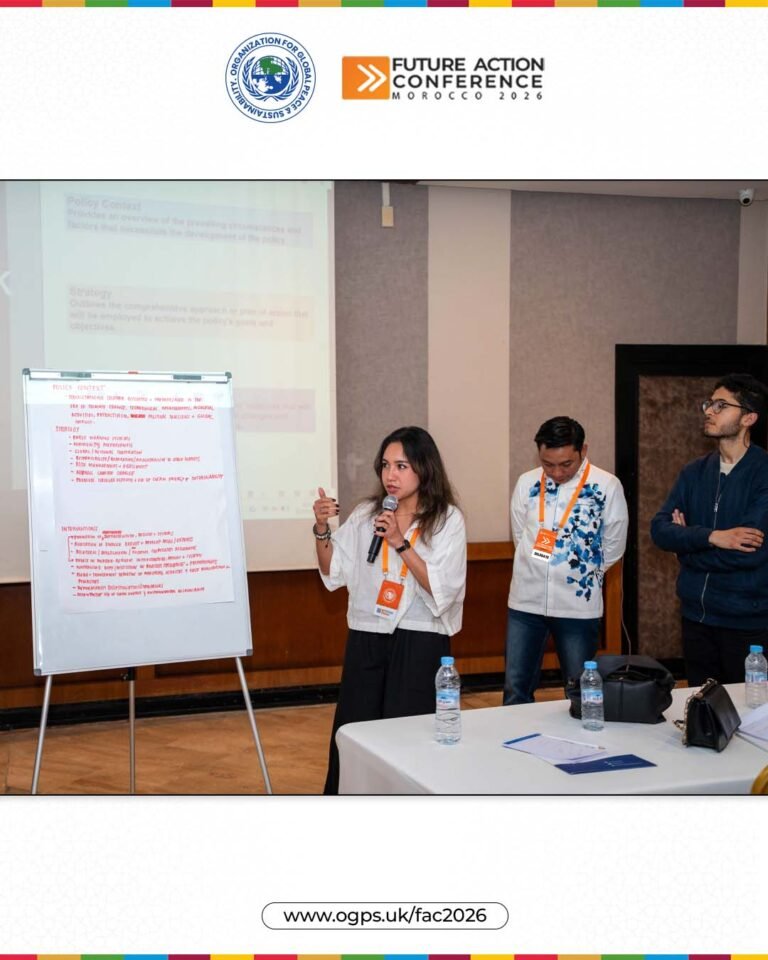
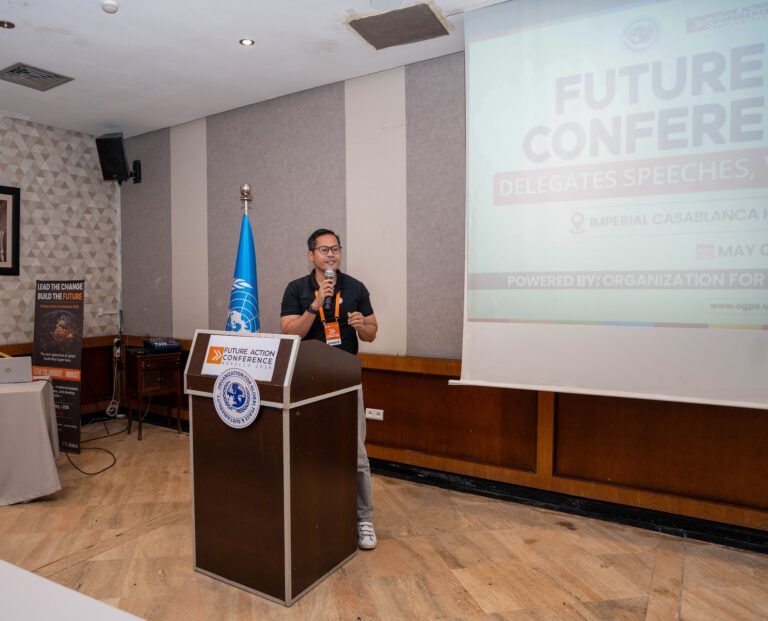
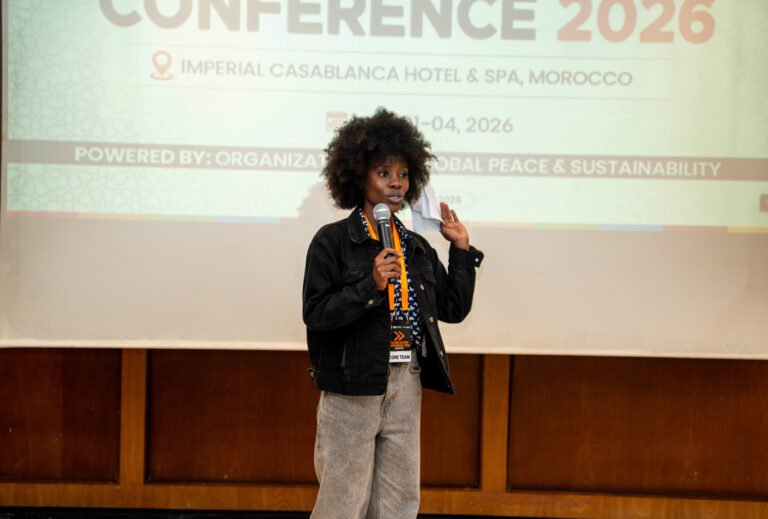
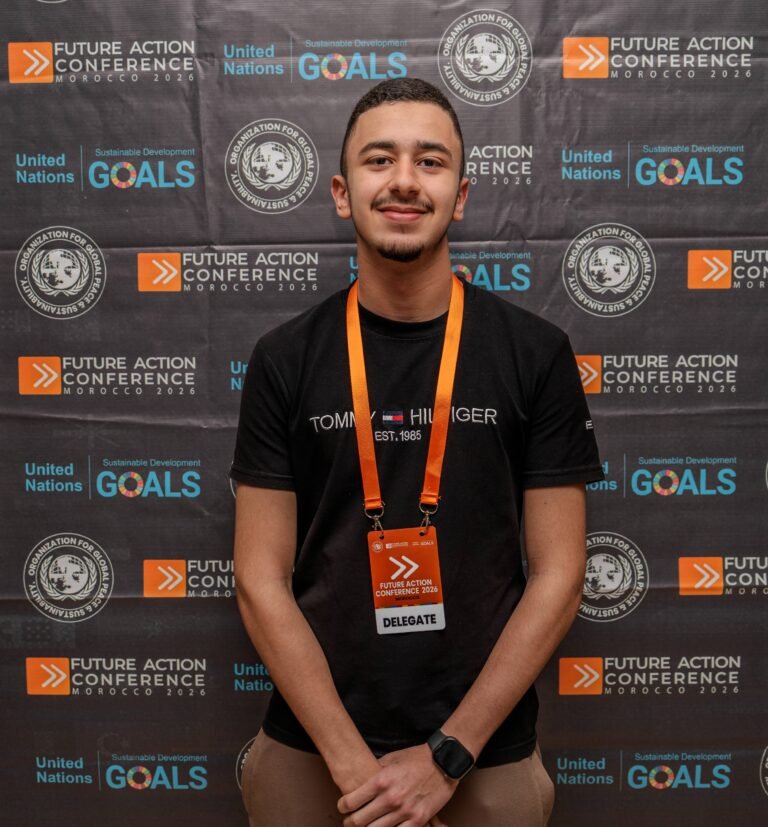
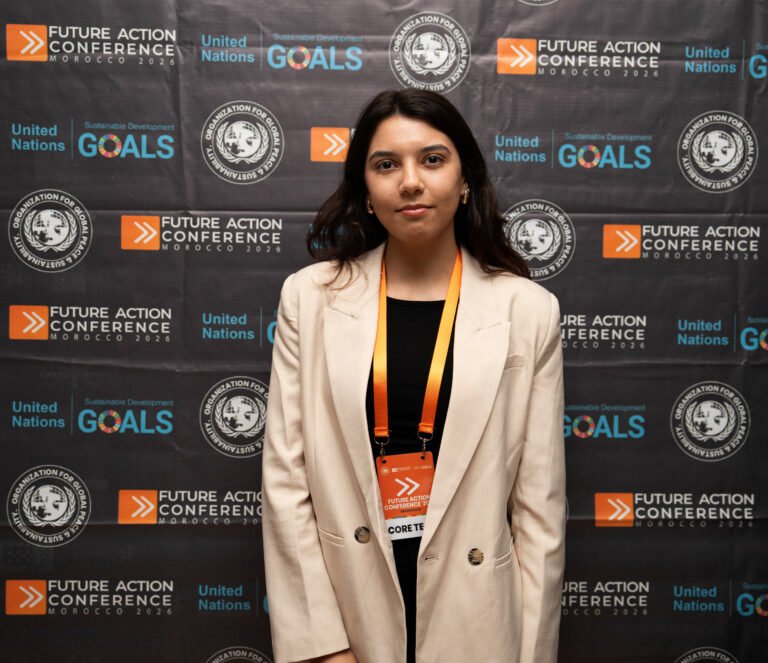
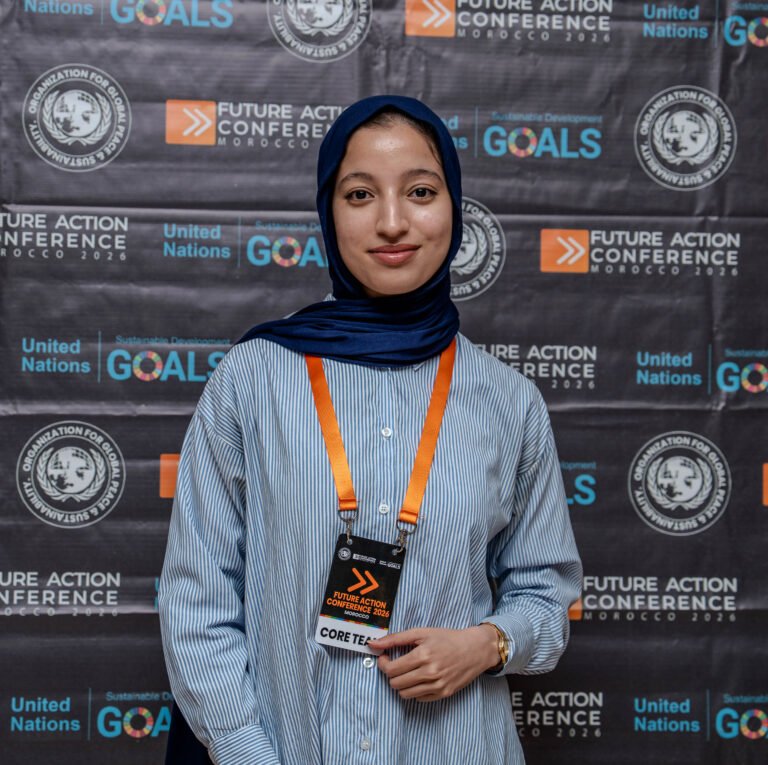
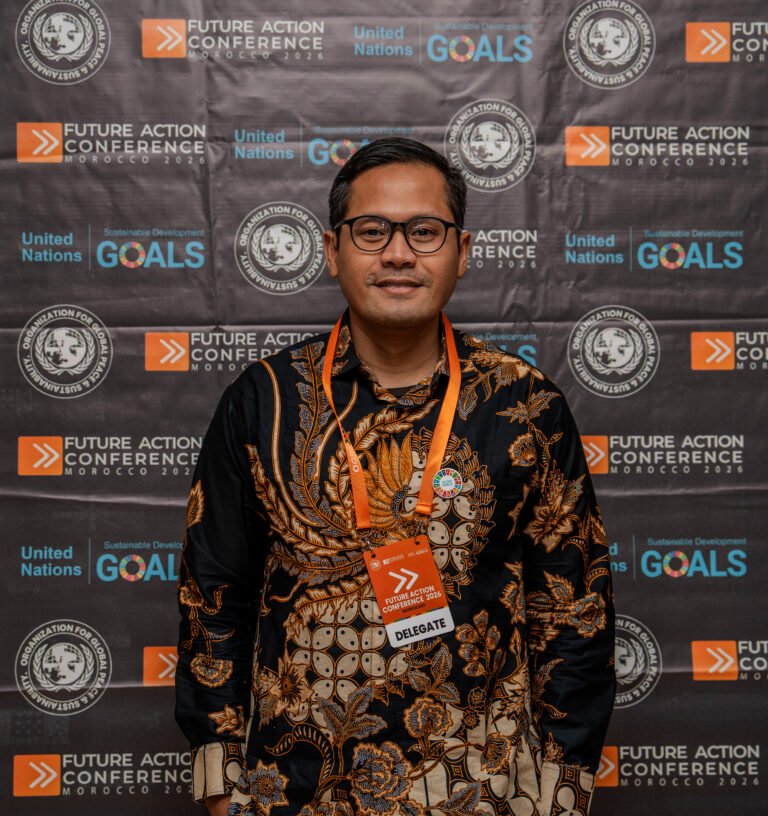
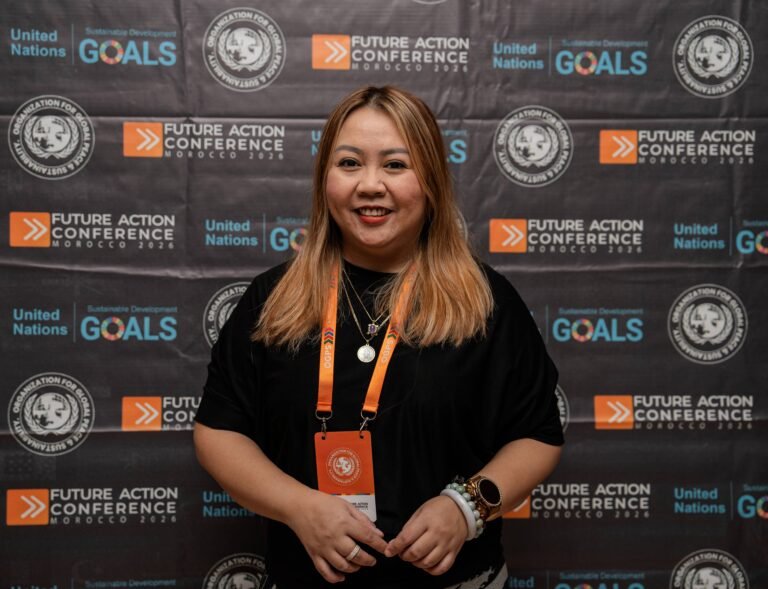
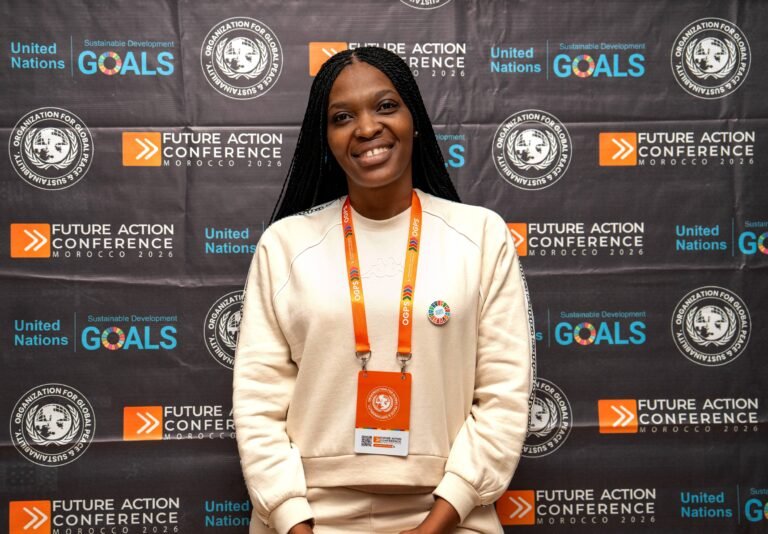
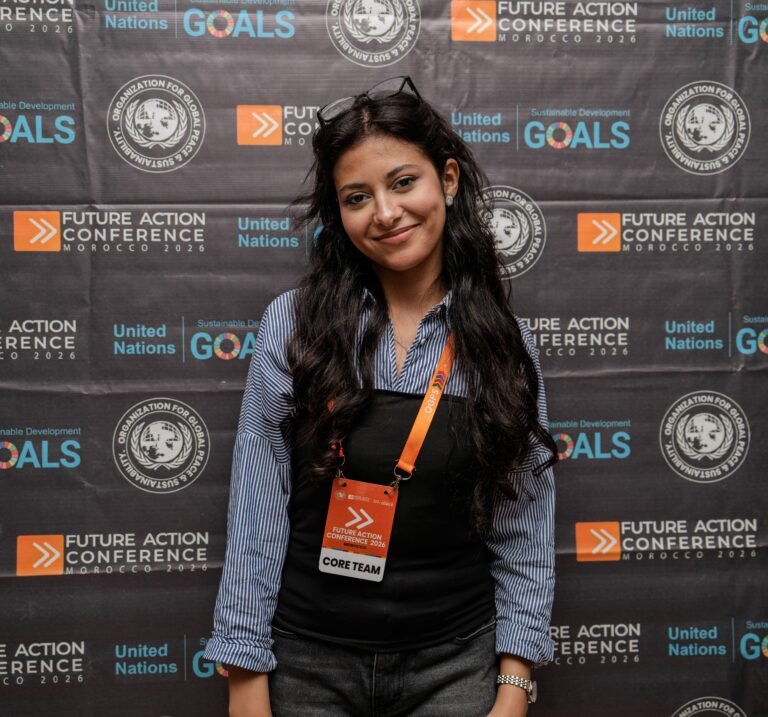
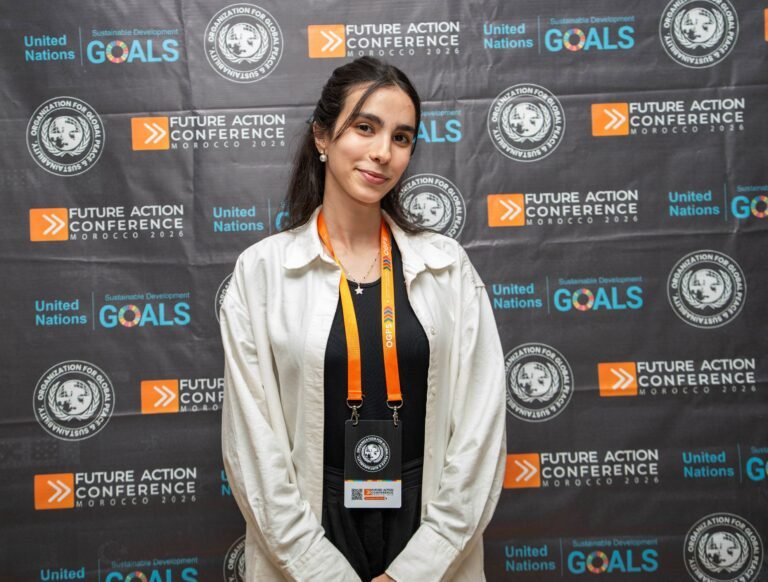
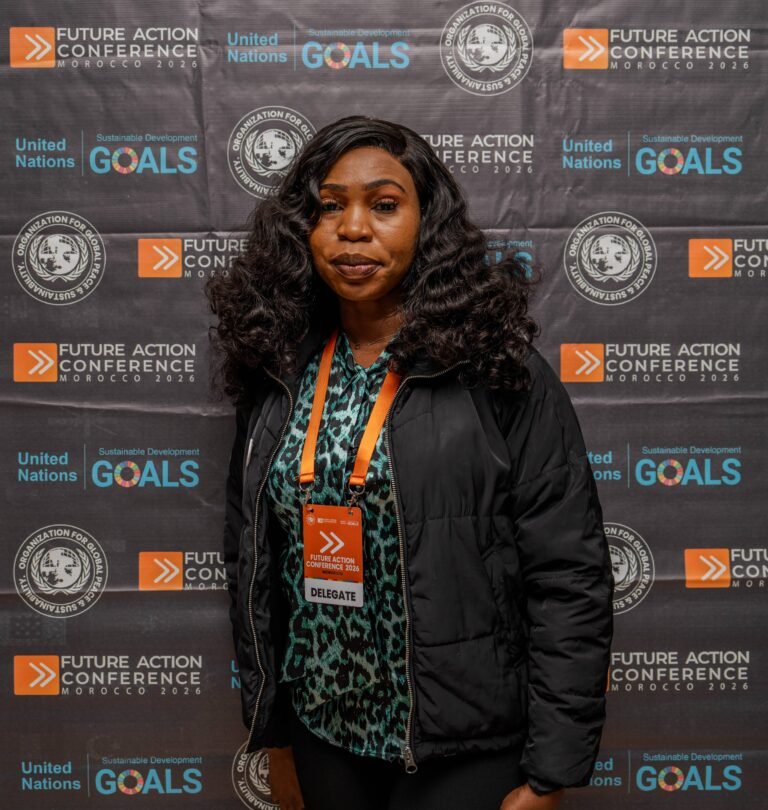
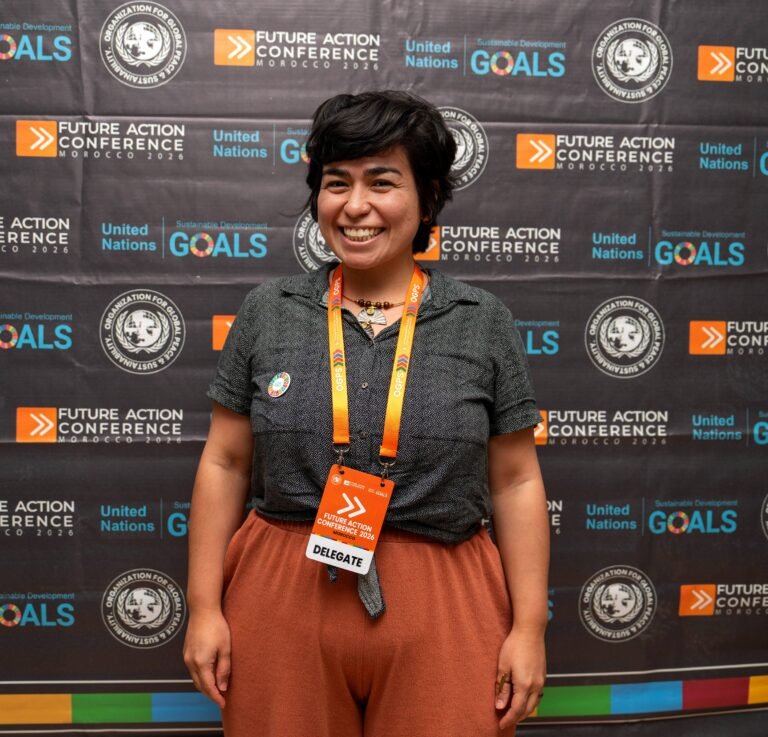
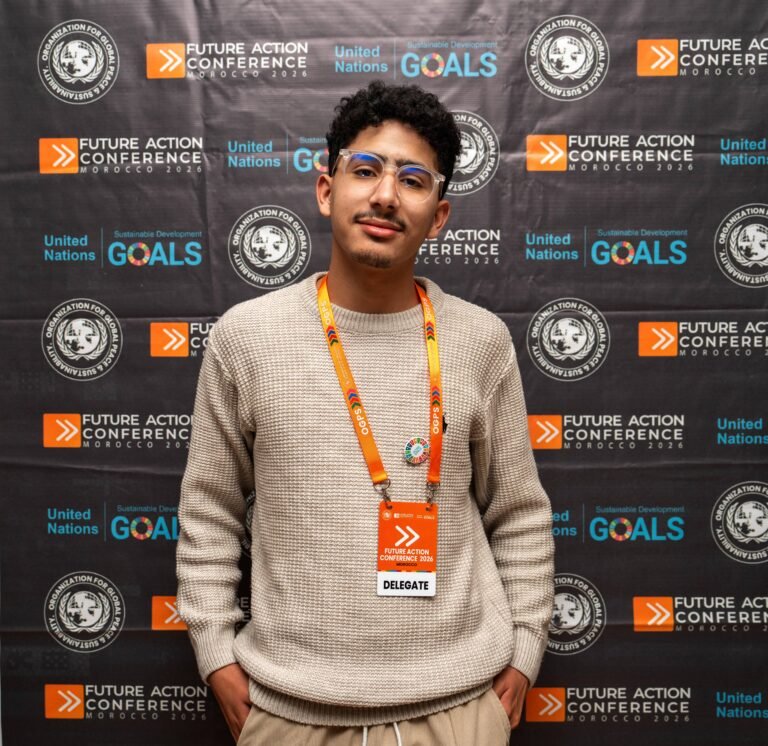
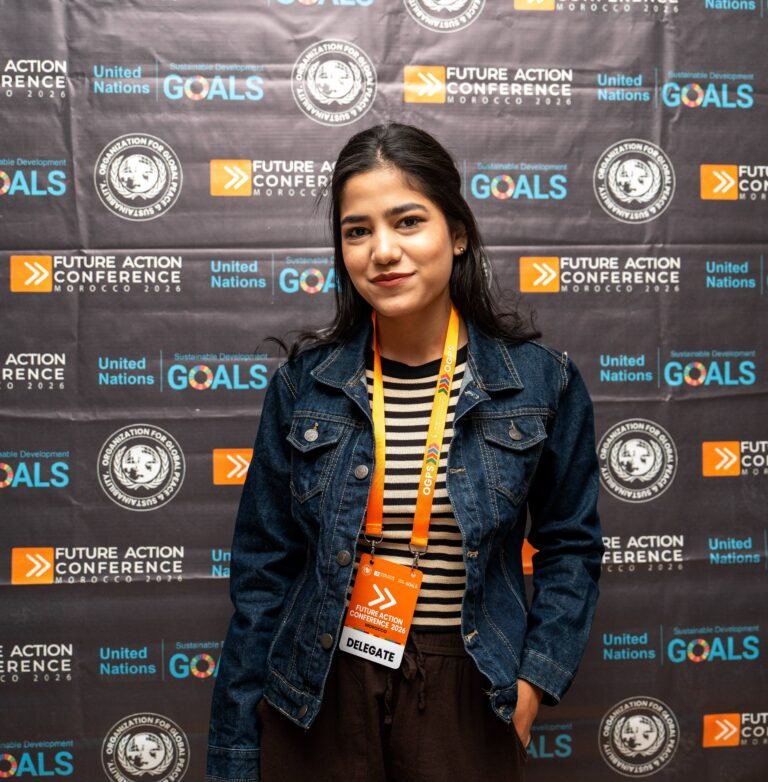
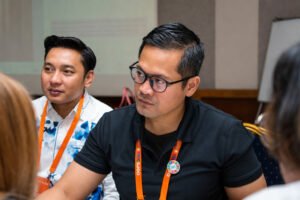
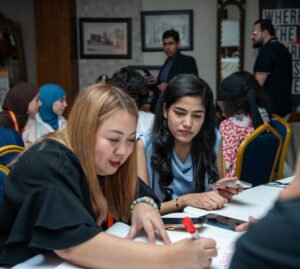
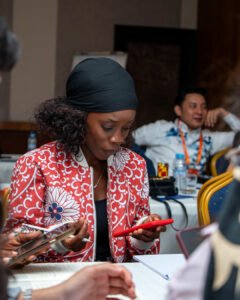
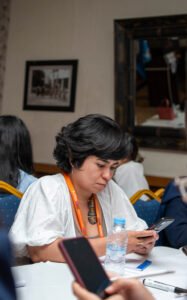
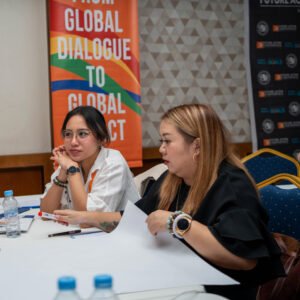
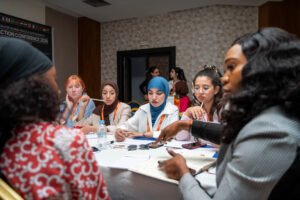
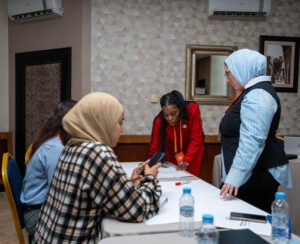
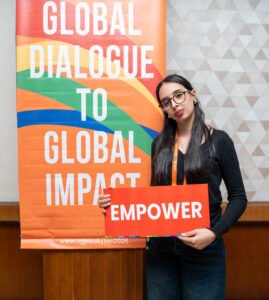
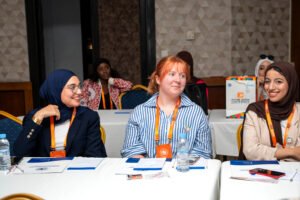
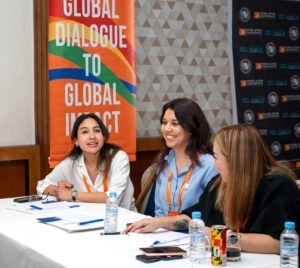
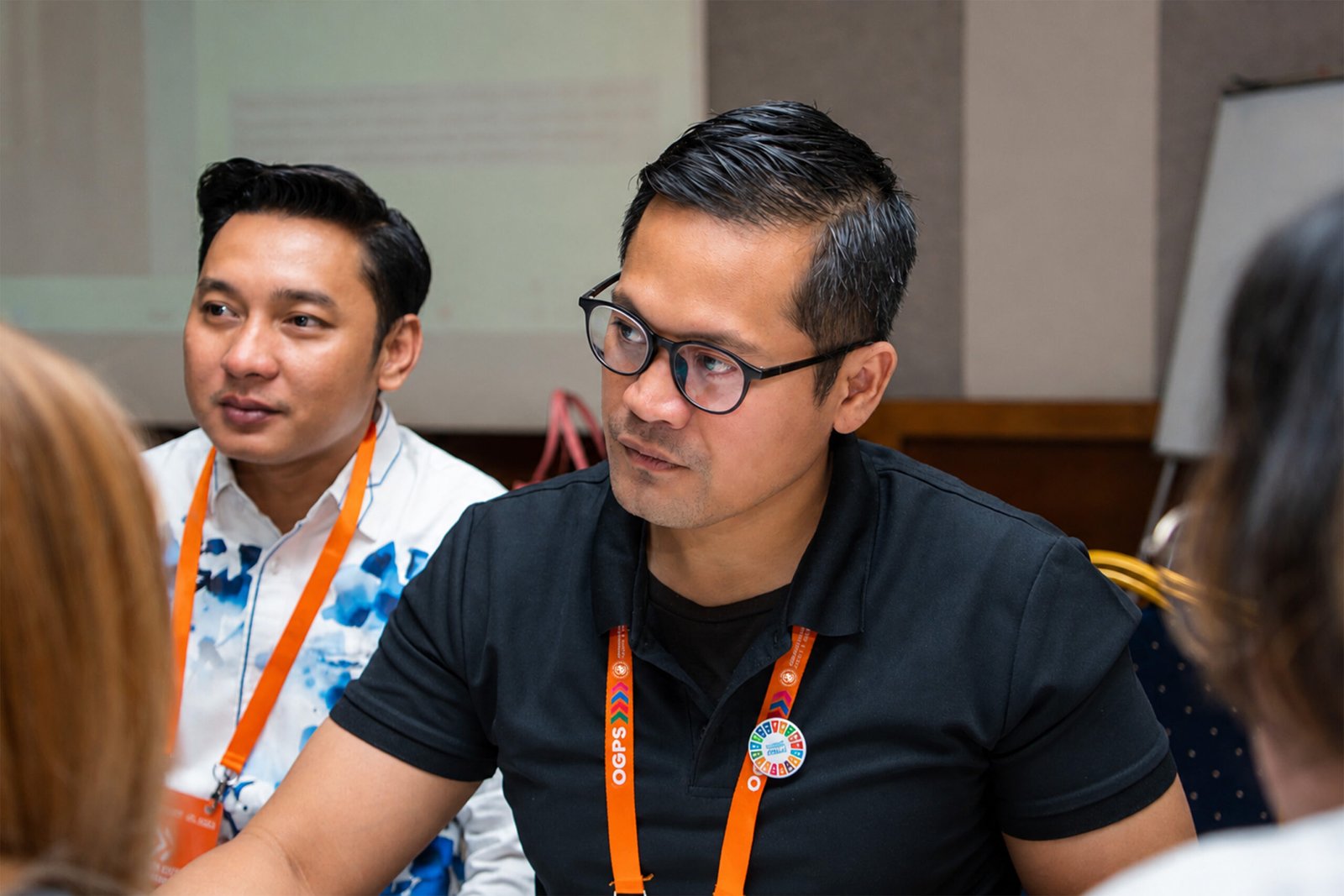
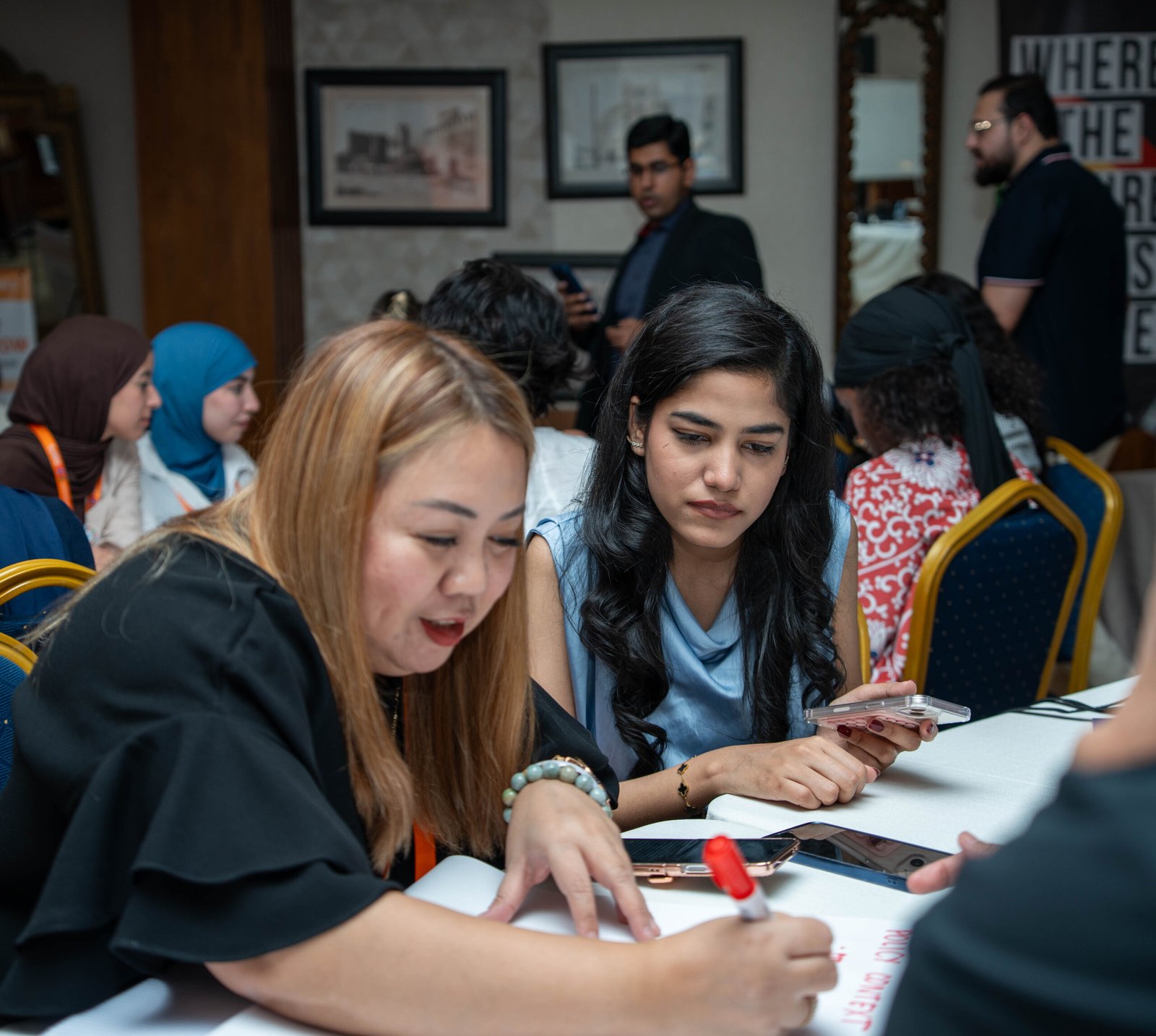
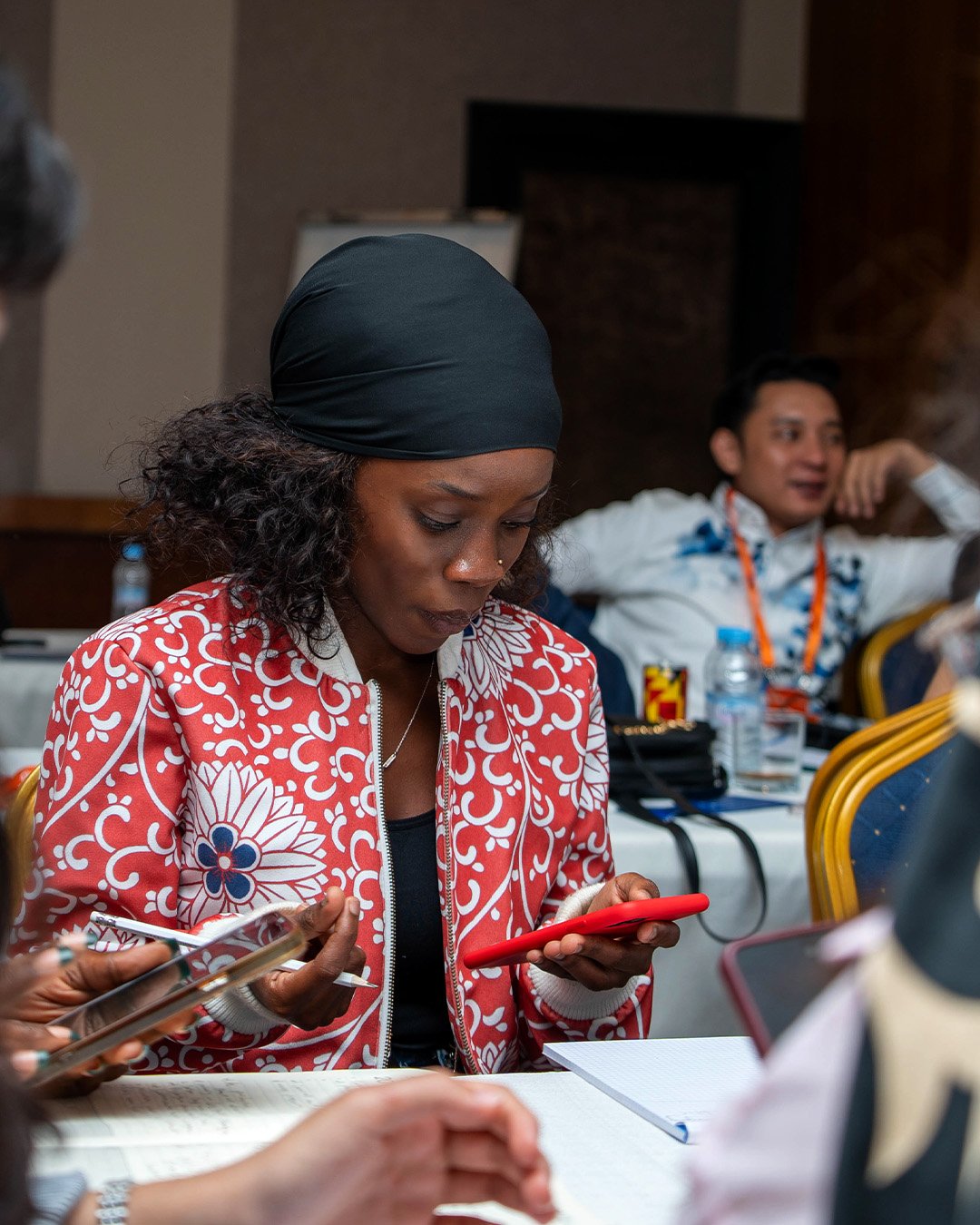
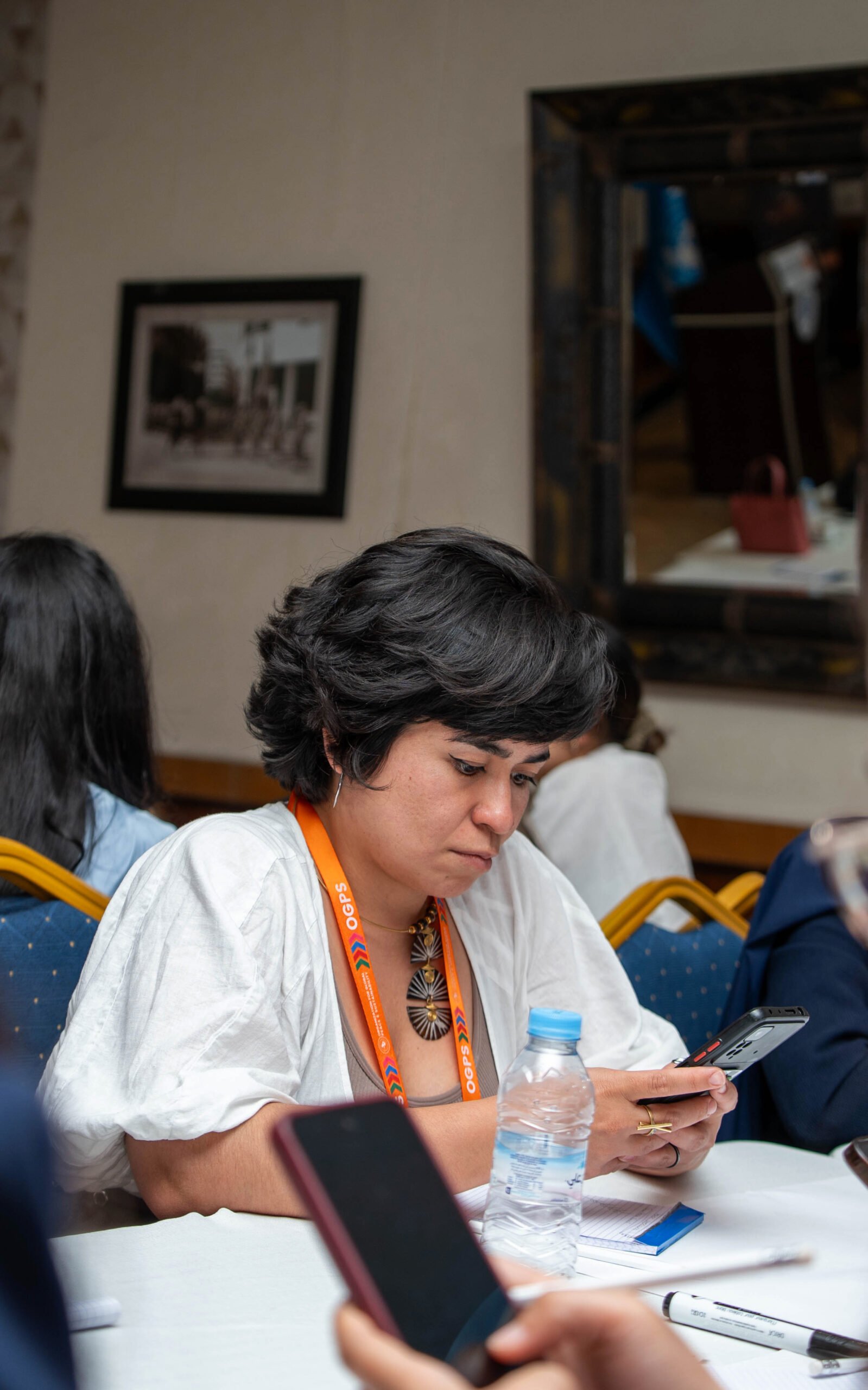
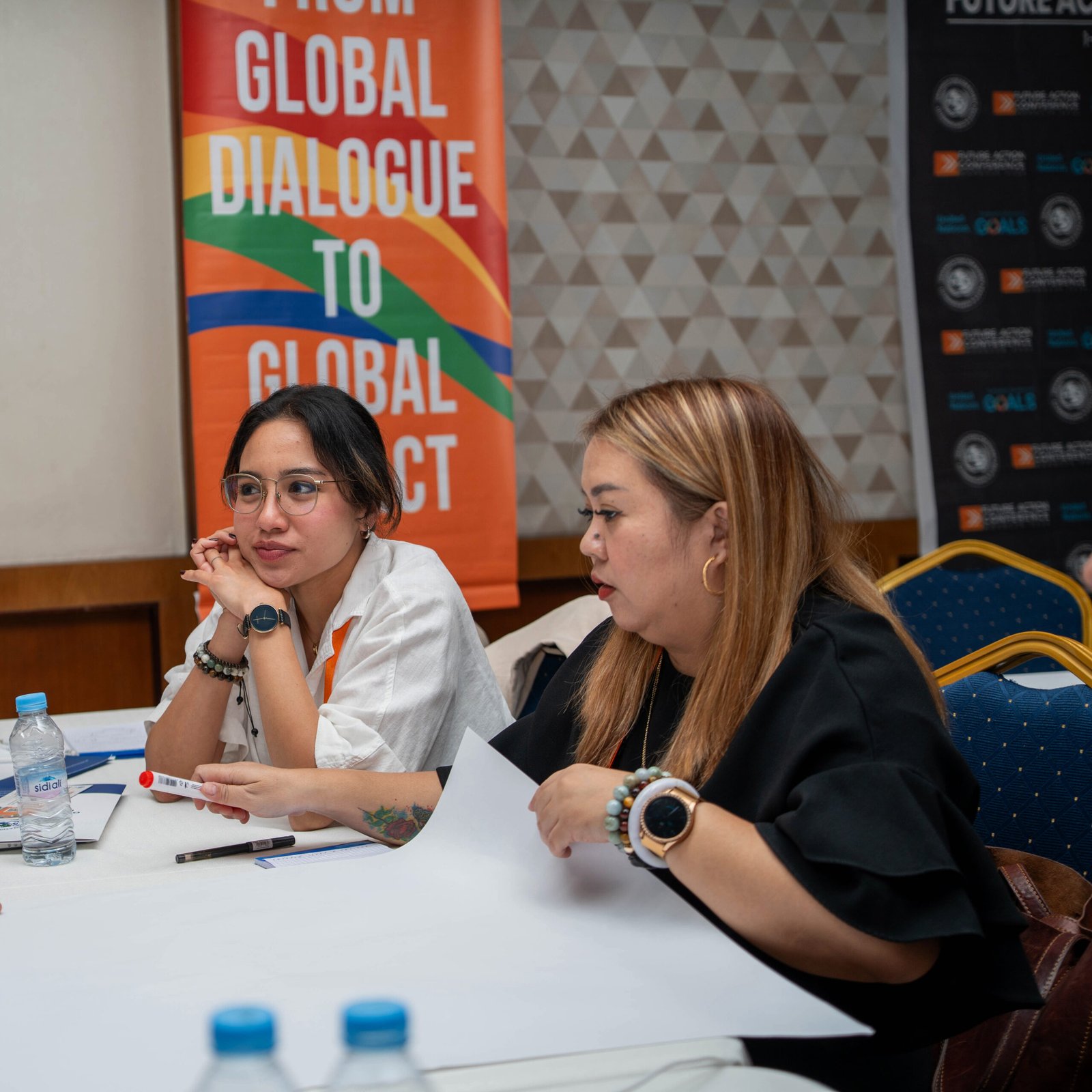
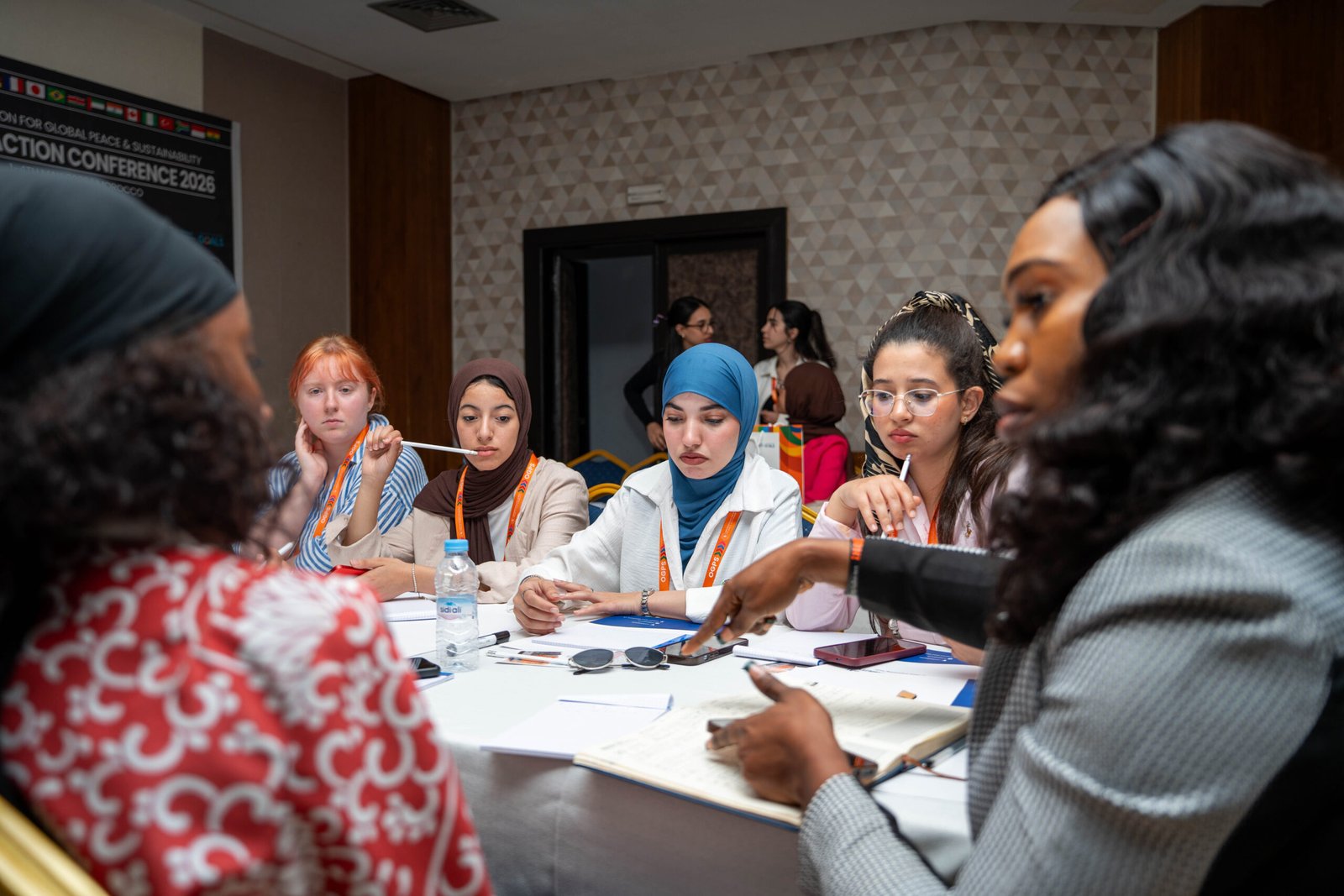
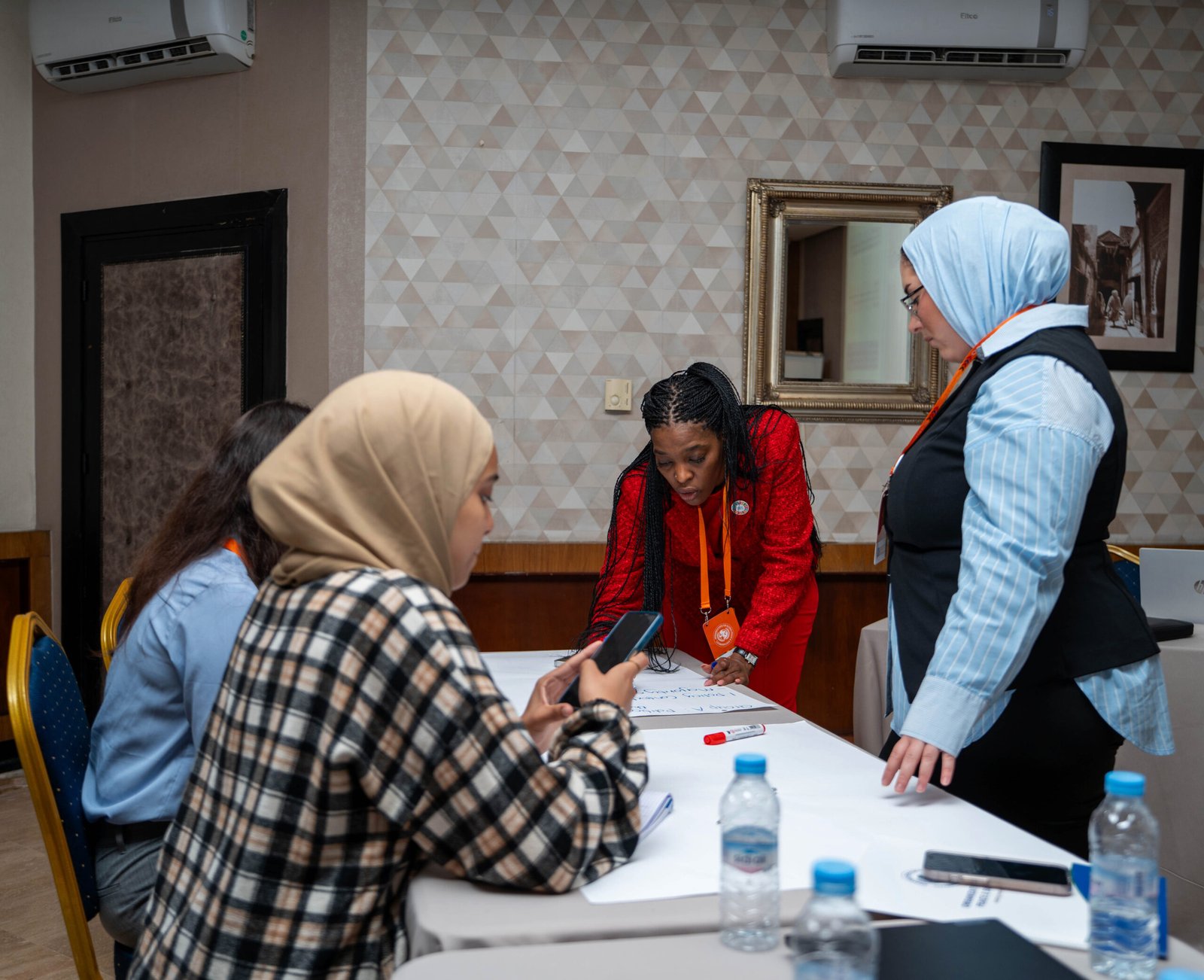
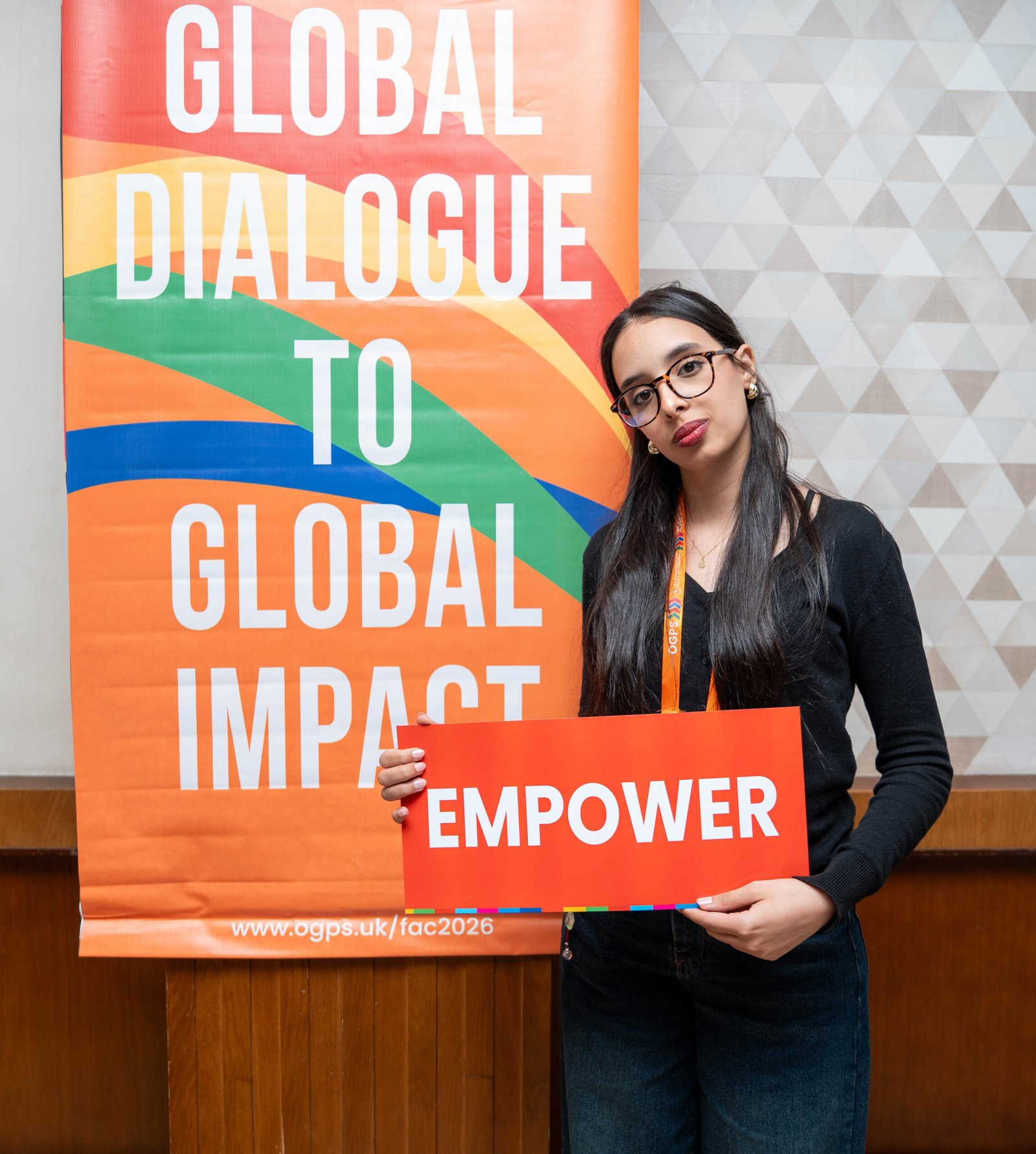
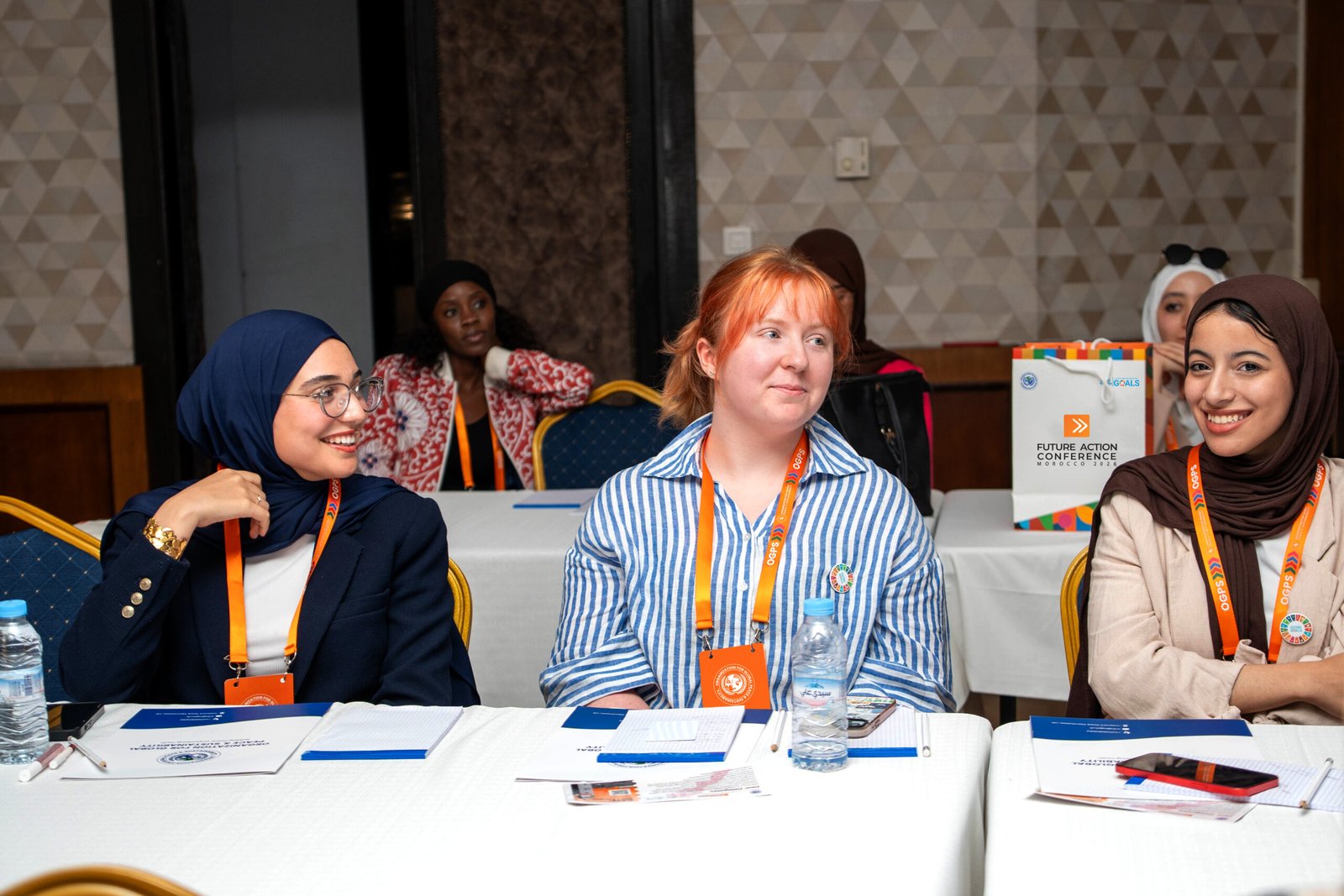
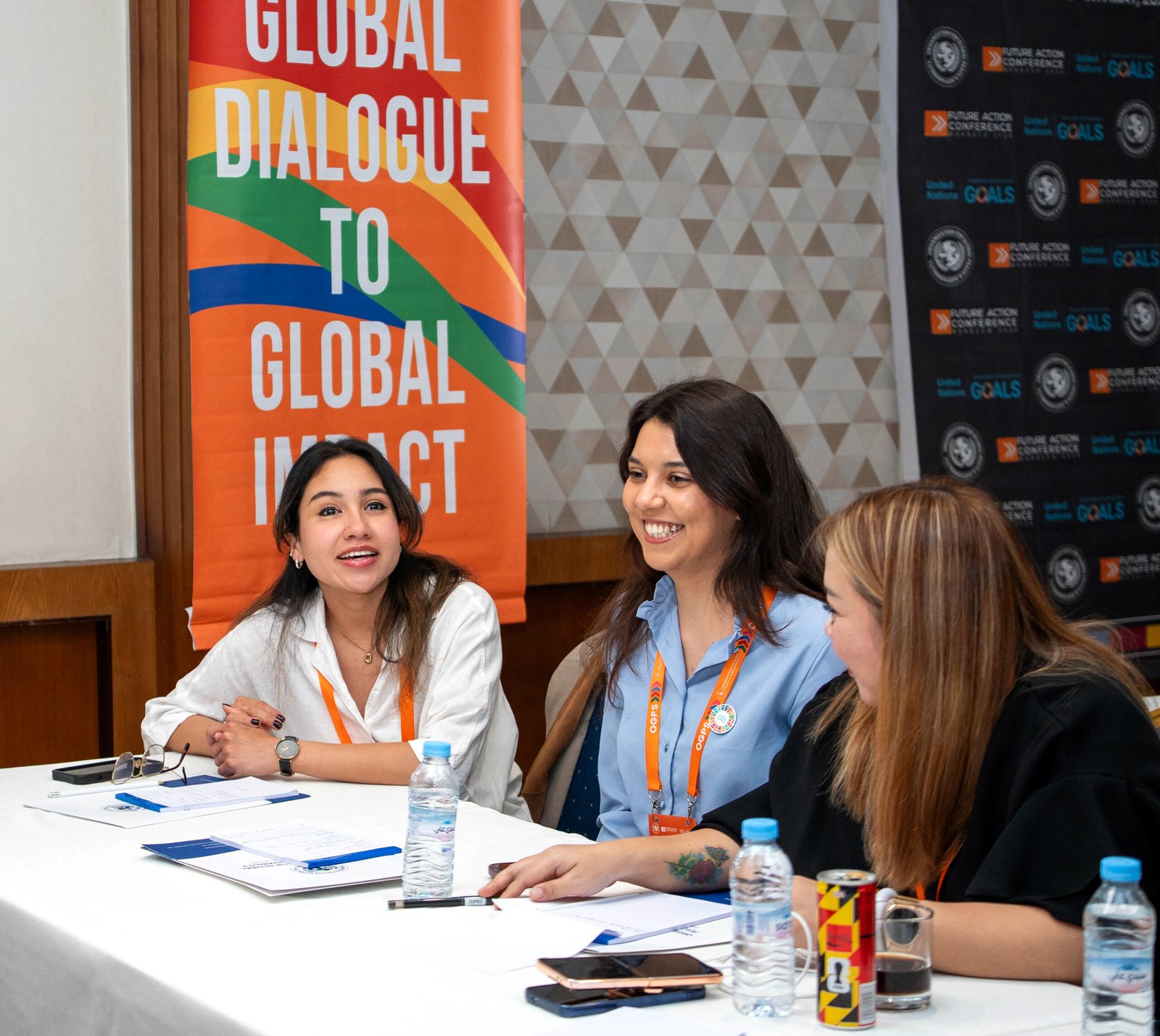
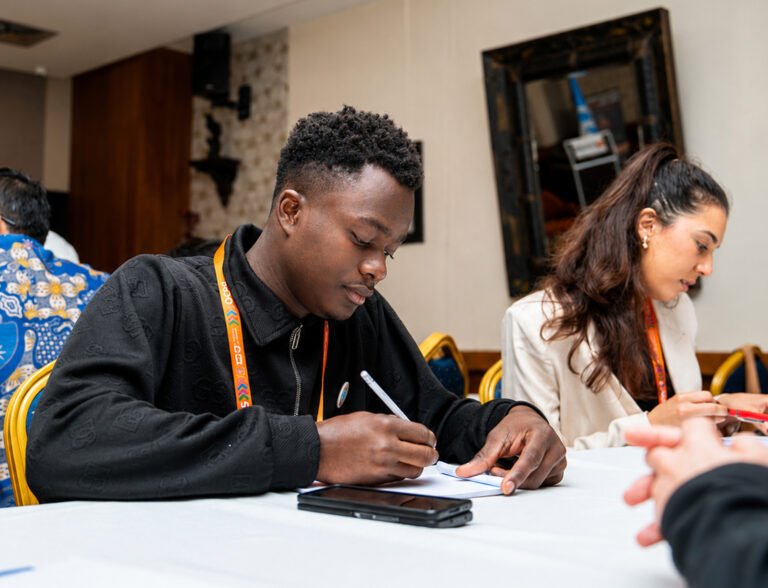
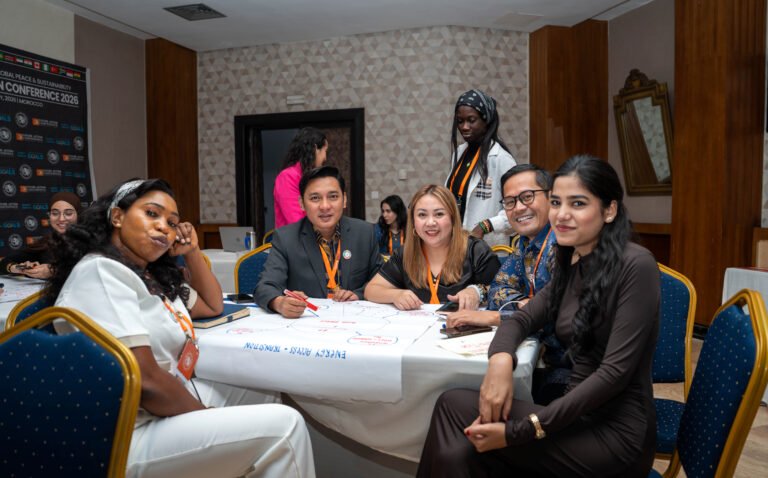
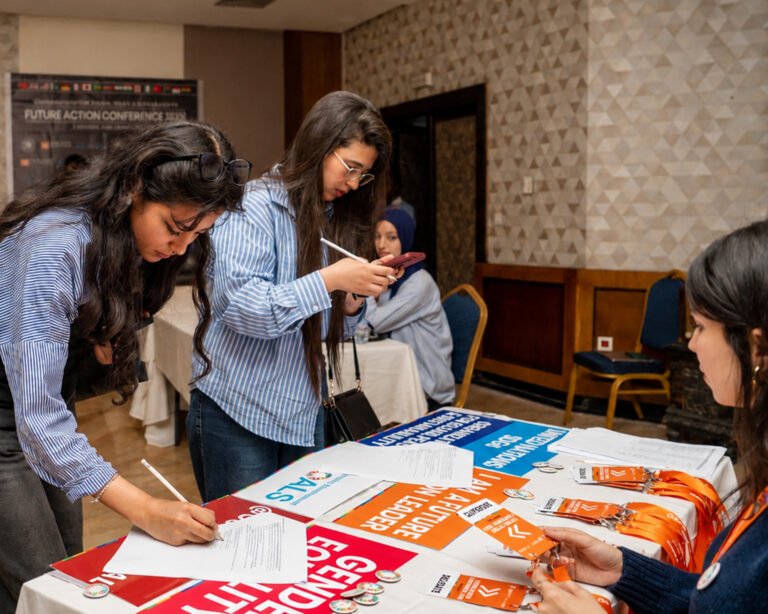
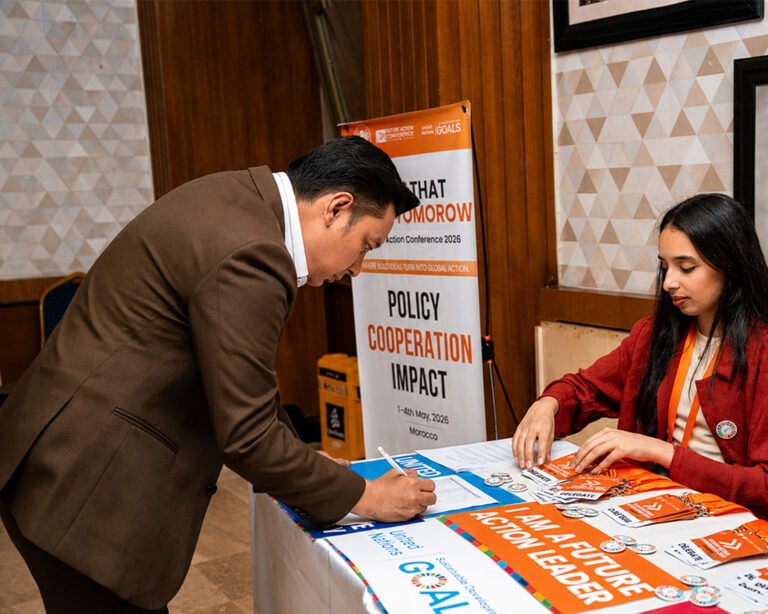
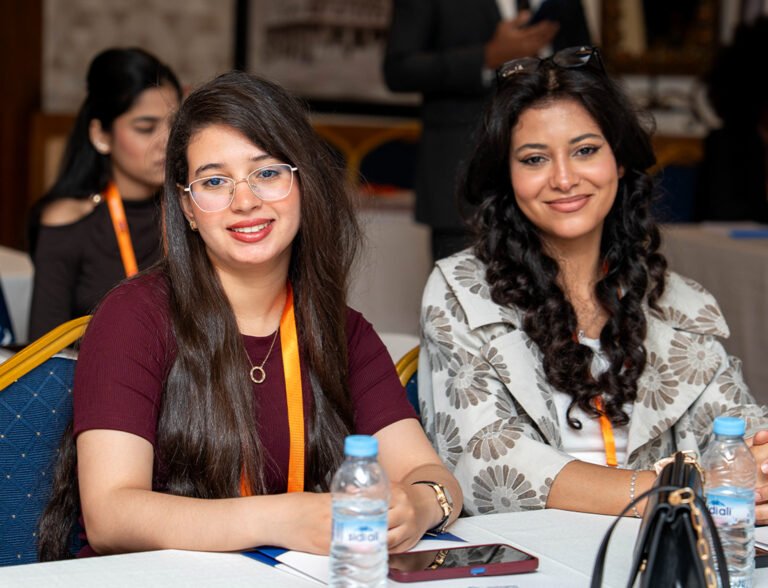
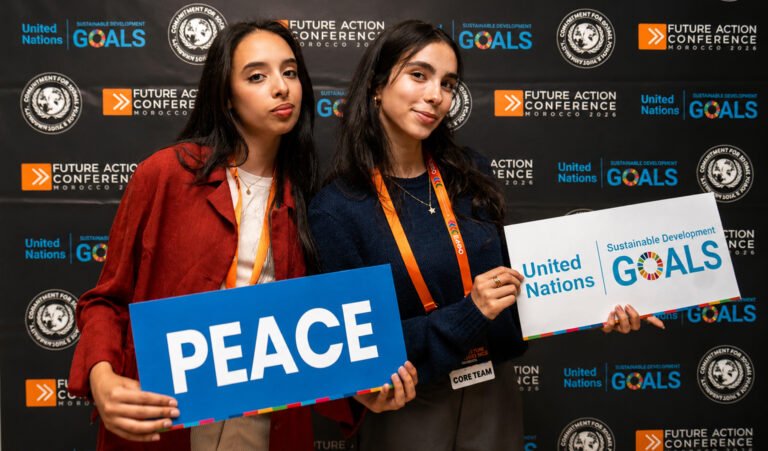
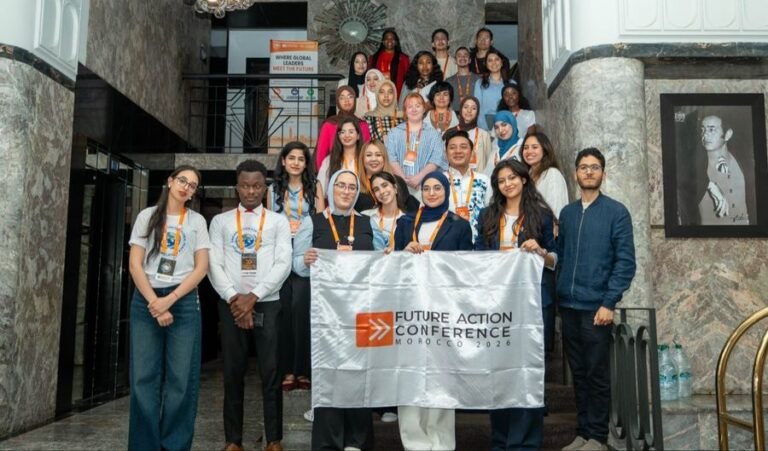
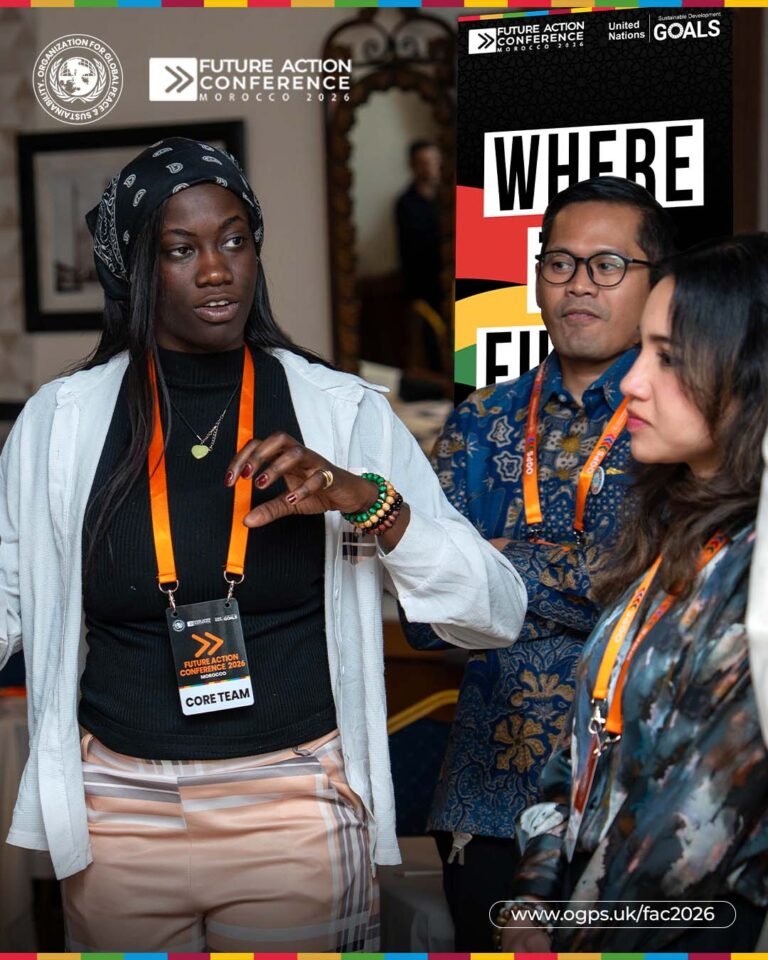
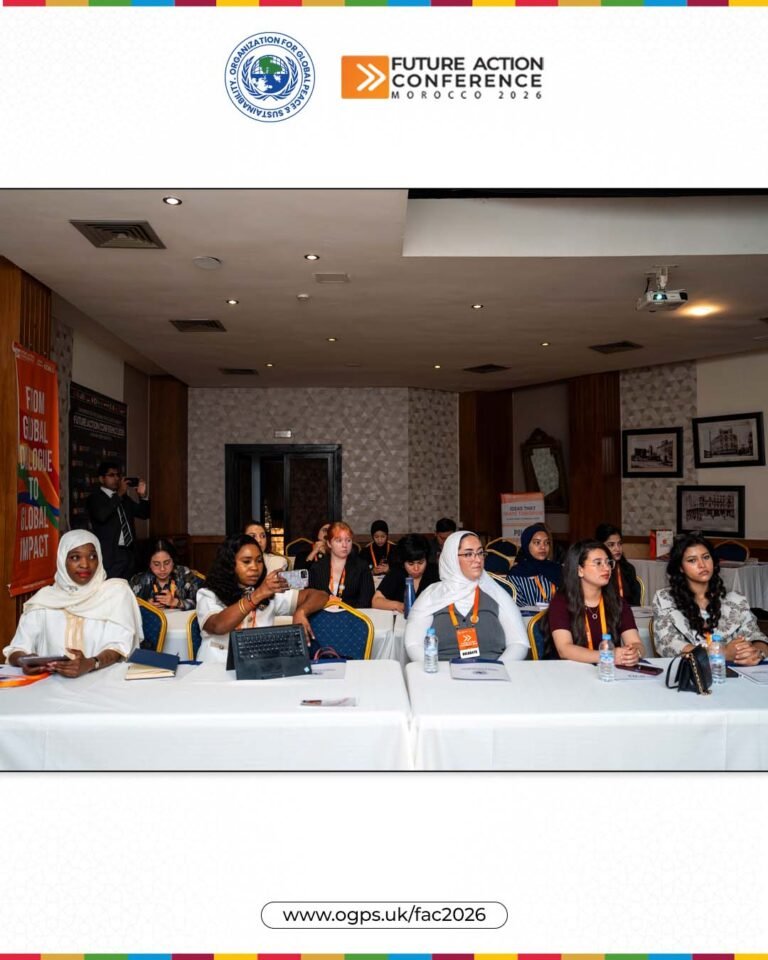
The Future Action Conference 2026, organized by OGPS, brought together young leaders, change- makers, and professionals from across the world in Morocco from May 1–4, 2026. Over four transformative days, delegates engaged in workshops, policy discussions, and leadership sessions centered on peace, governance, and sustainable development. FAC 2026 was more than a conference — it was a launchpad for action.
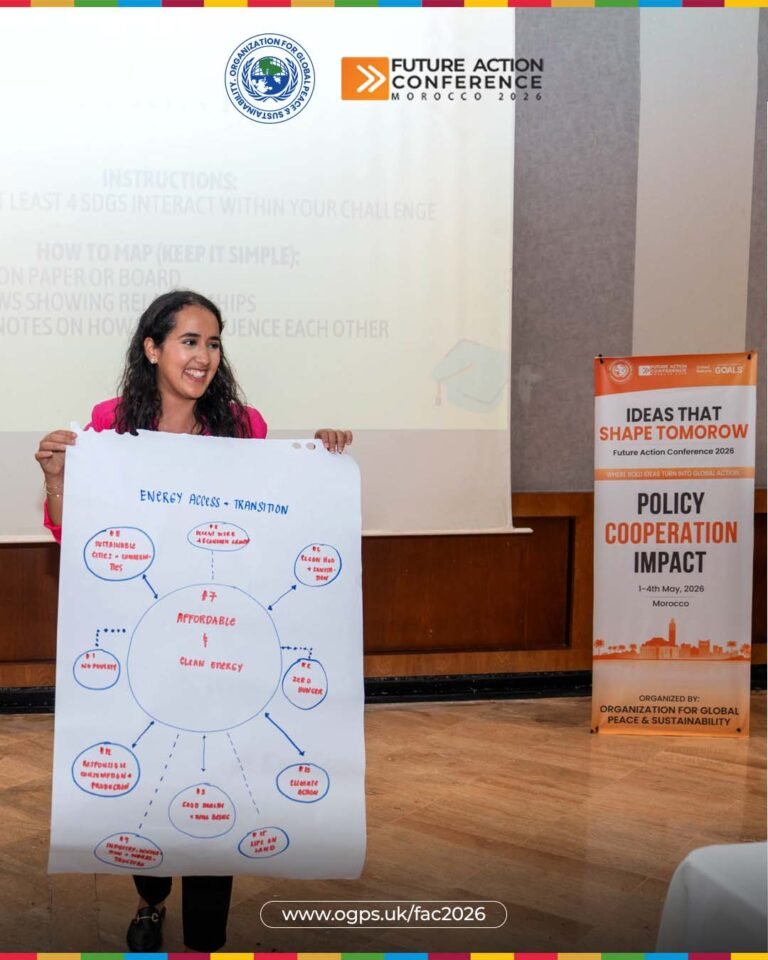
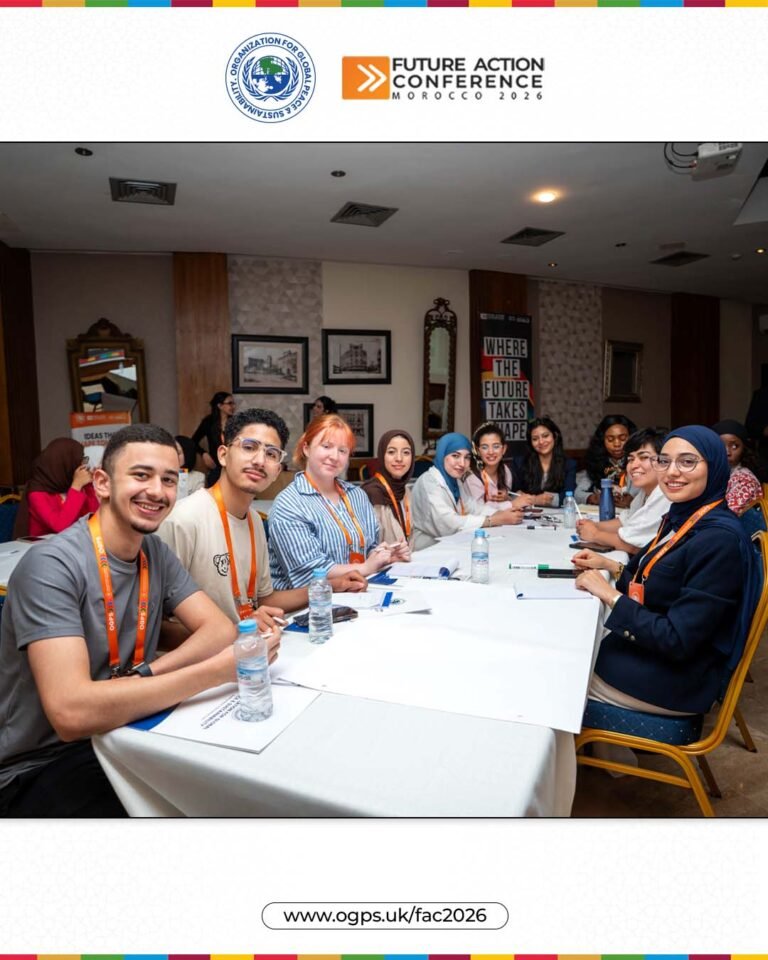
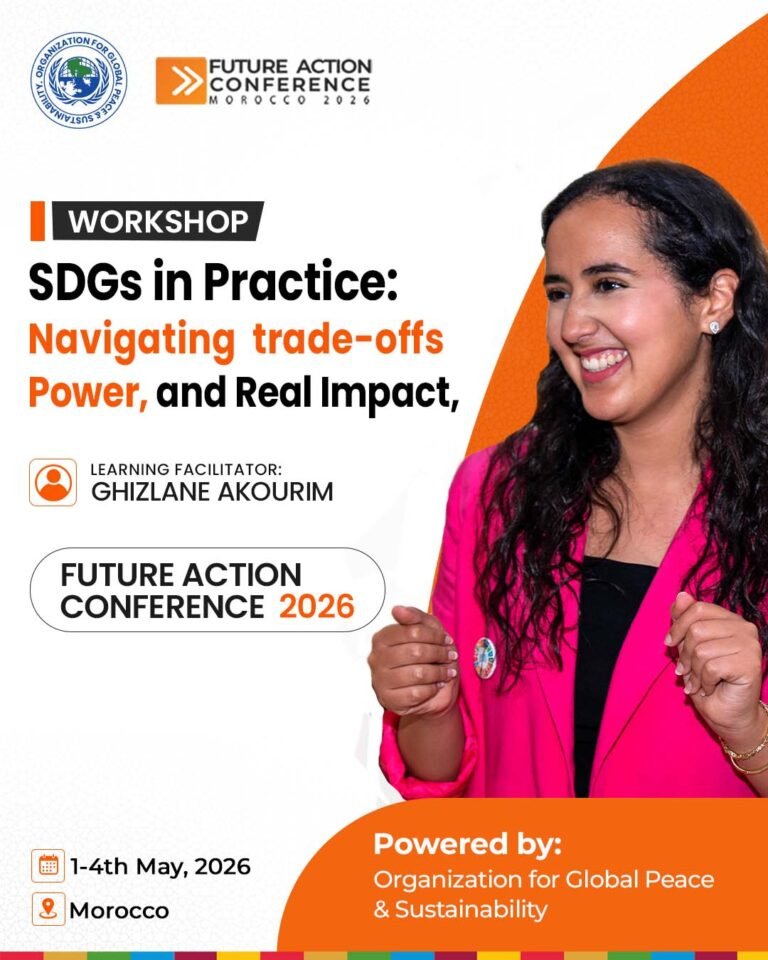
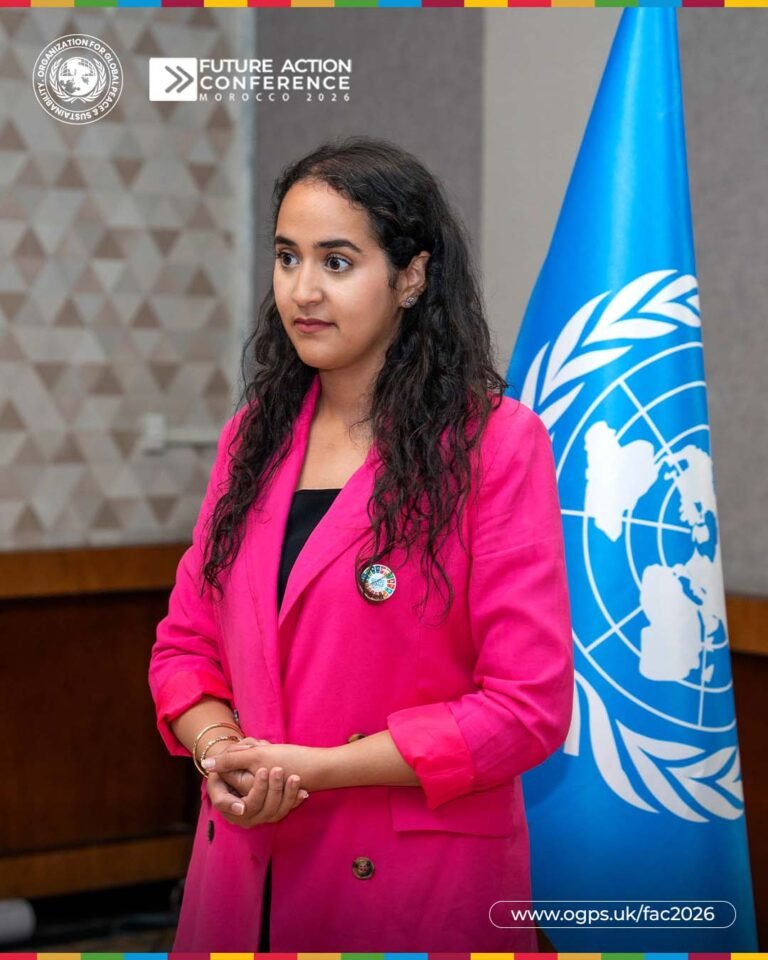
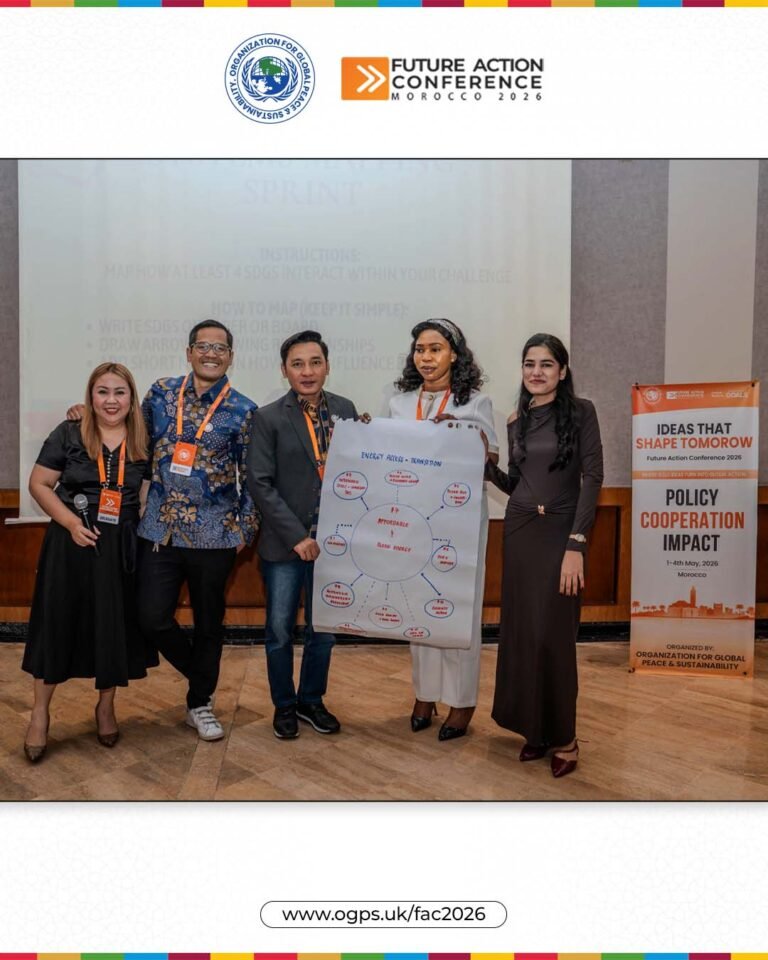
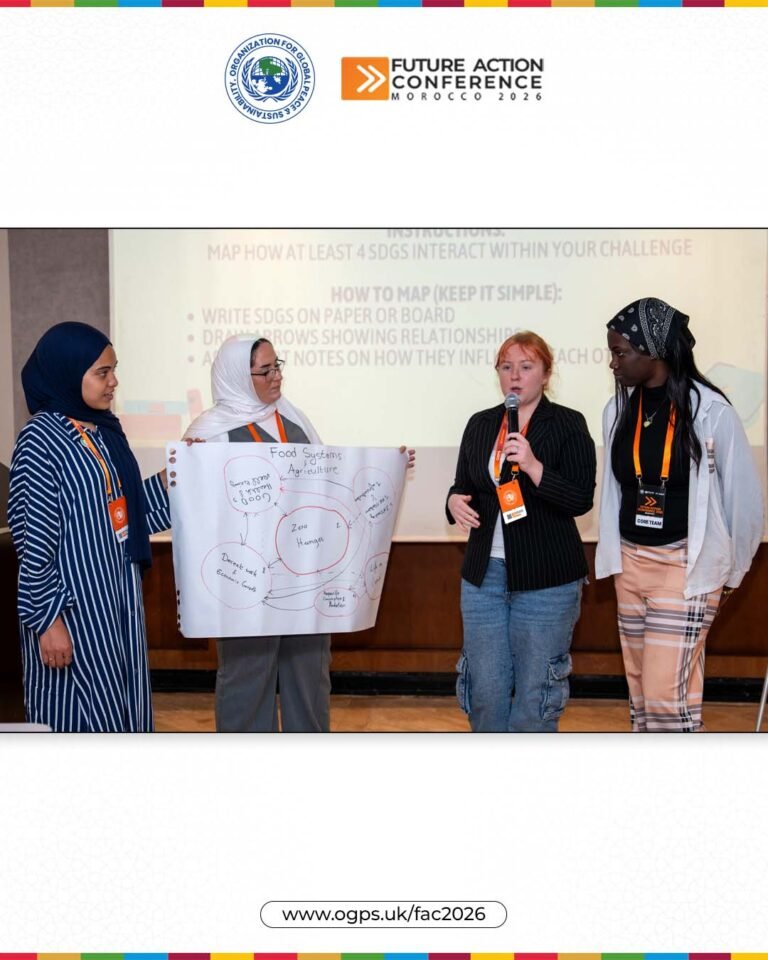
This workshop moved beyond theory and into the real complexity of sustainable development. Ghizlane Akourim guided delegates through the difficult trade-offs embedded in the United Nations Sustainable Development Goals — exploring how power dynamics, competing interests, and ground- level realities shape what impact actually looks like. Delegates left with a sharper, more honest understanding of how to drive meaningful change without losing sight of the people the SDGs are meant to serve.
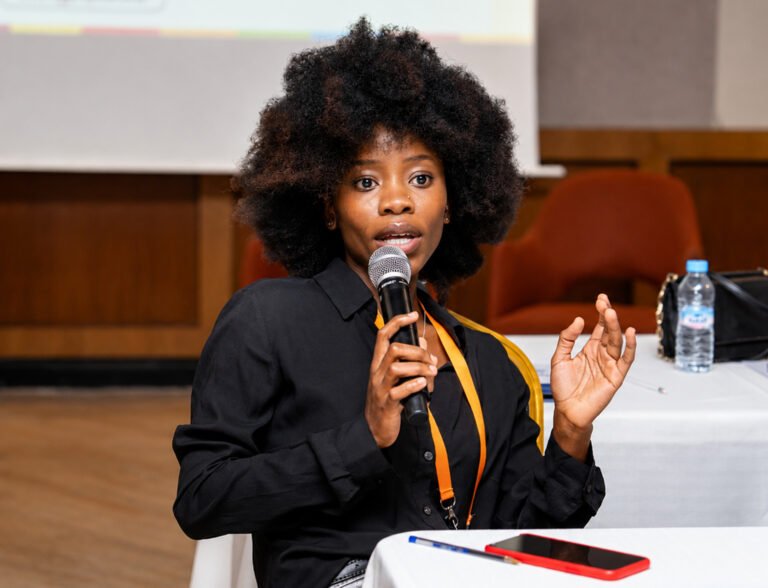
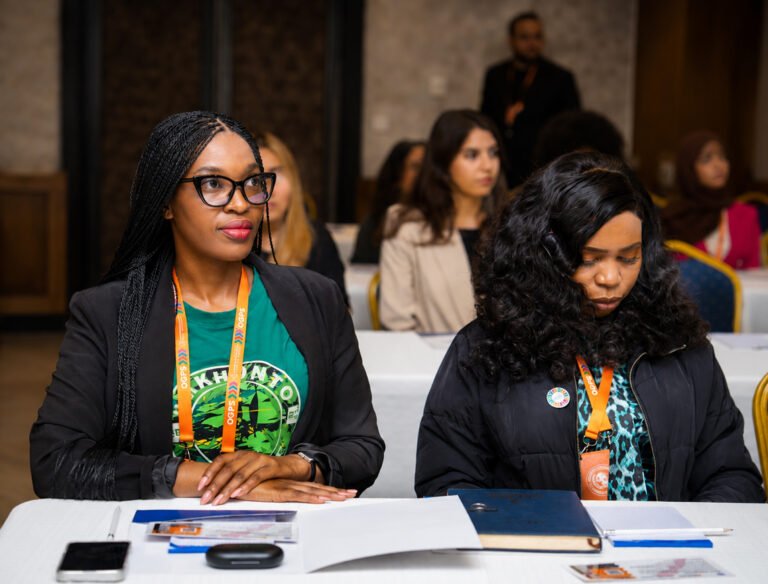
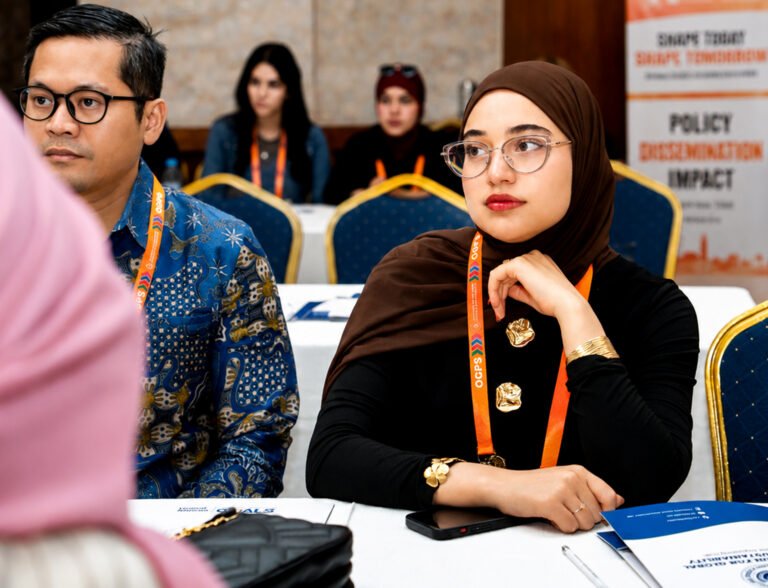
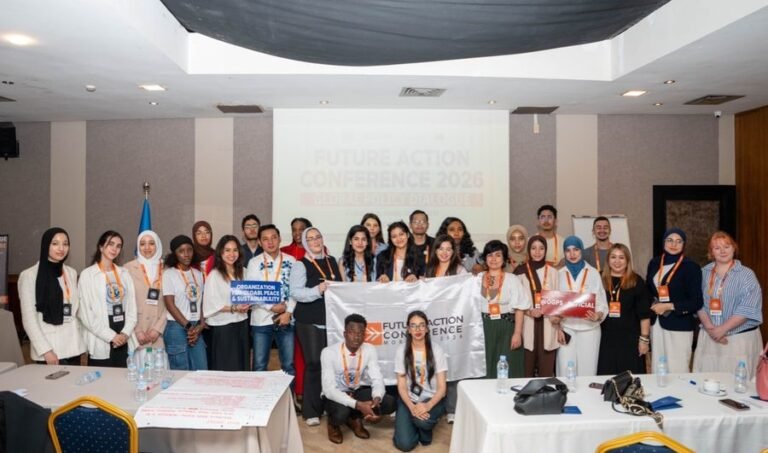
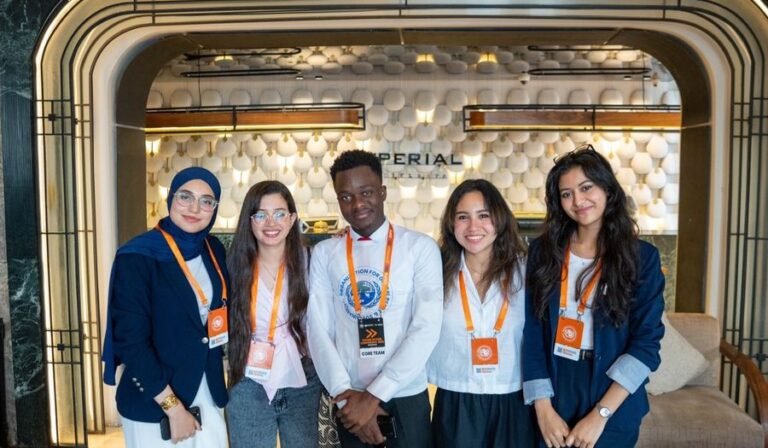
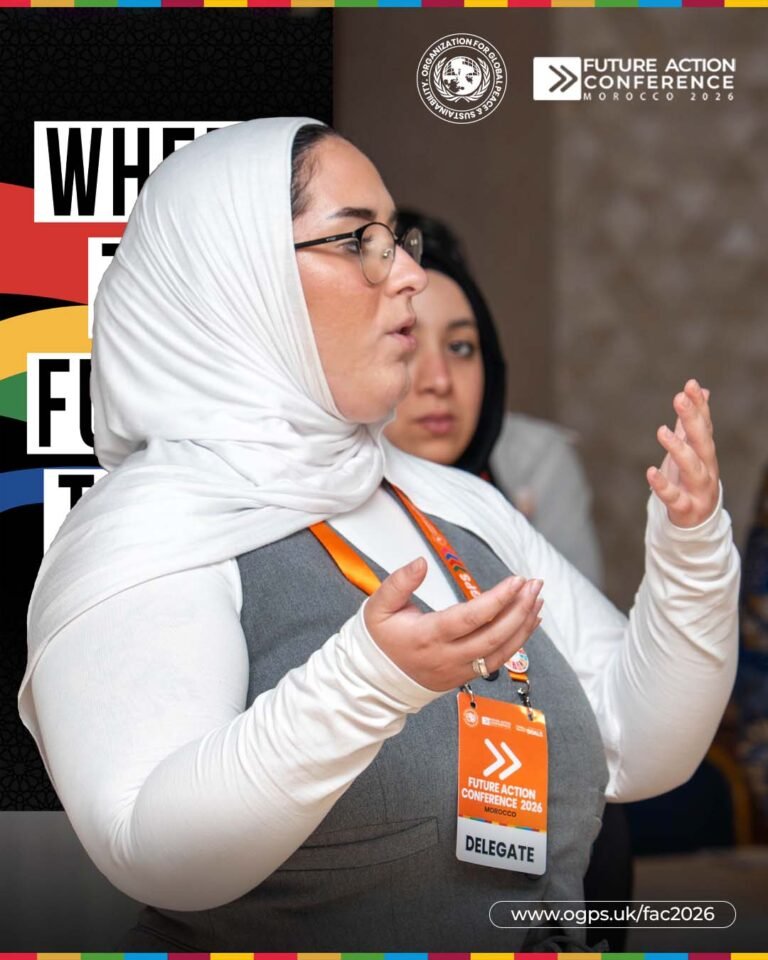
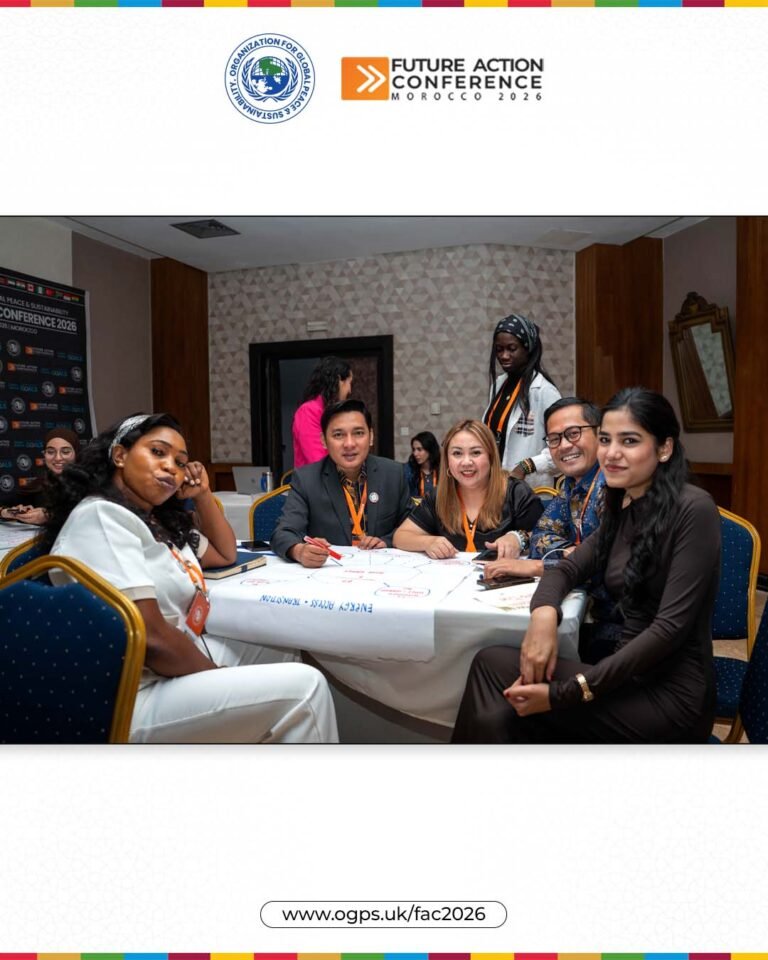
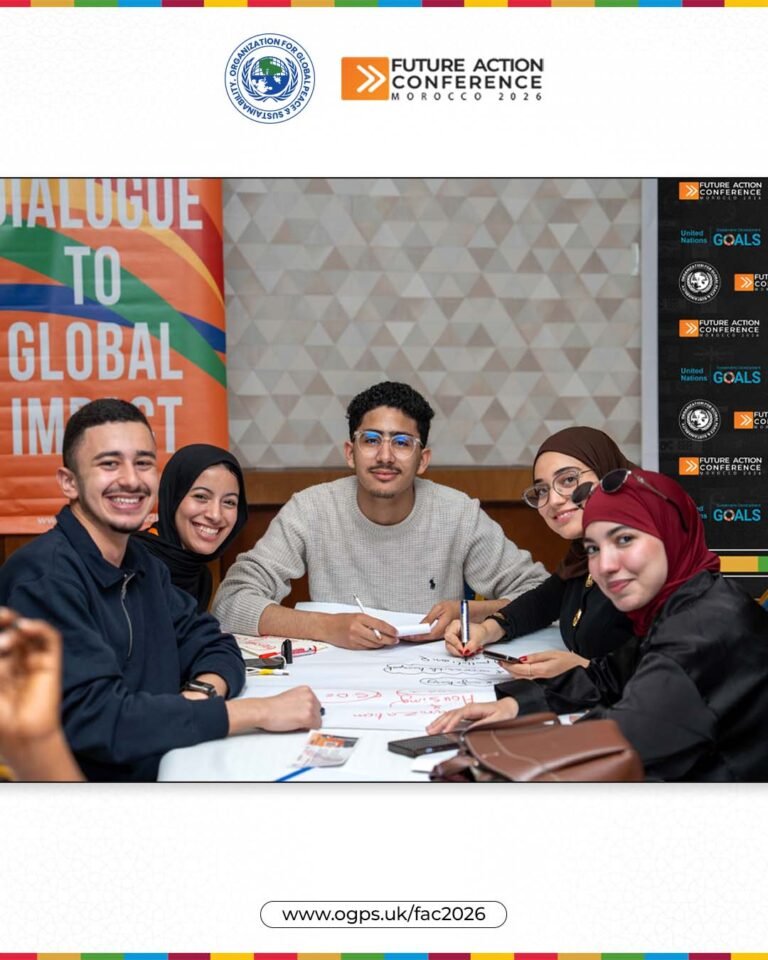
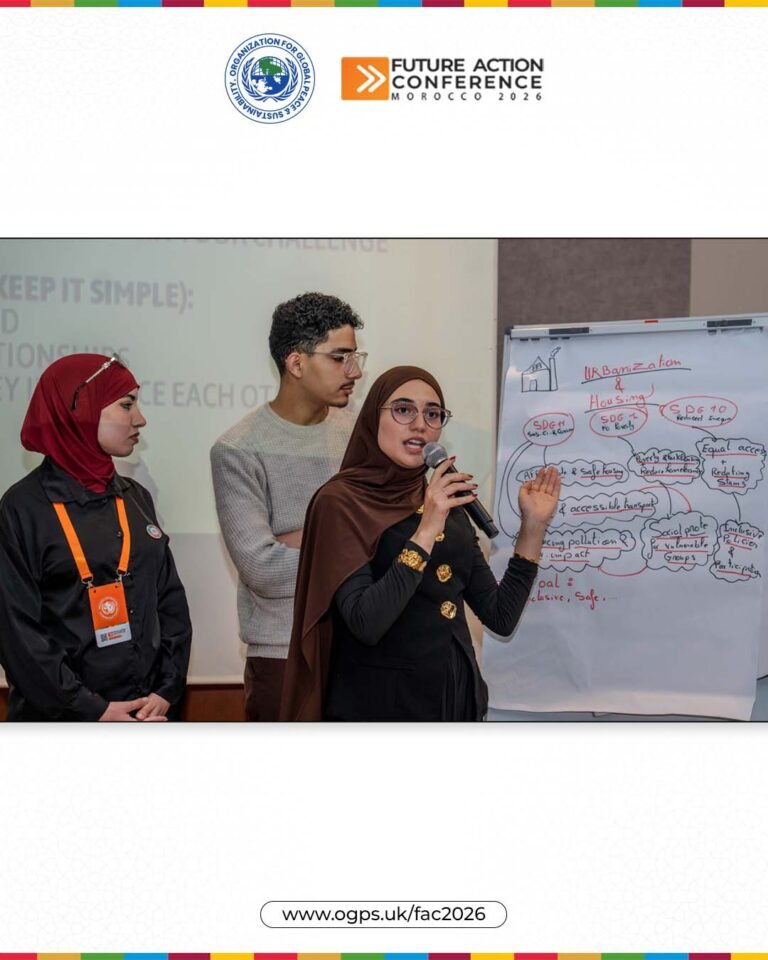
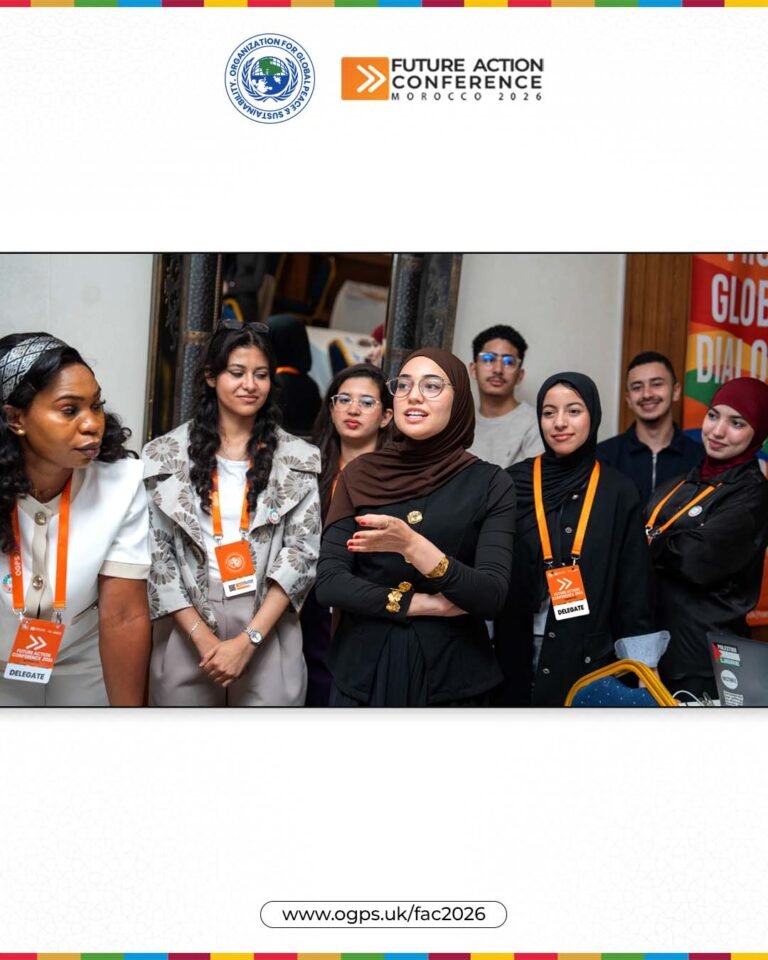
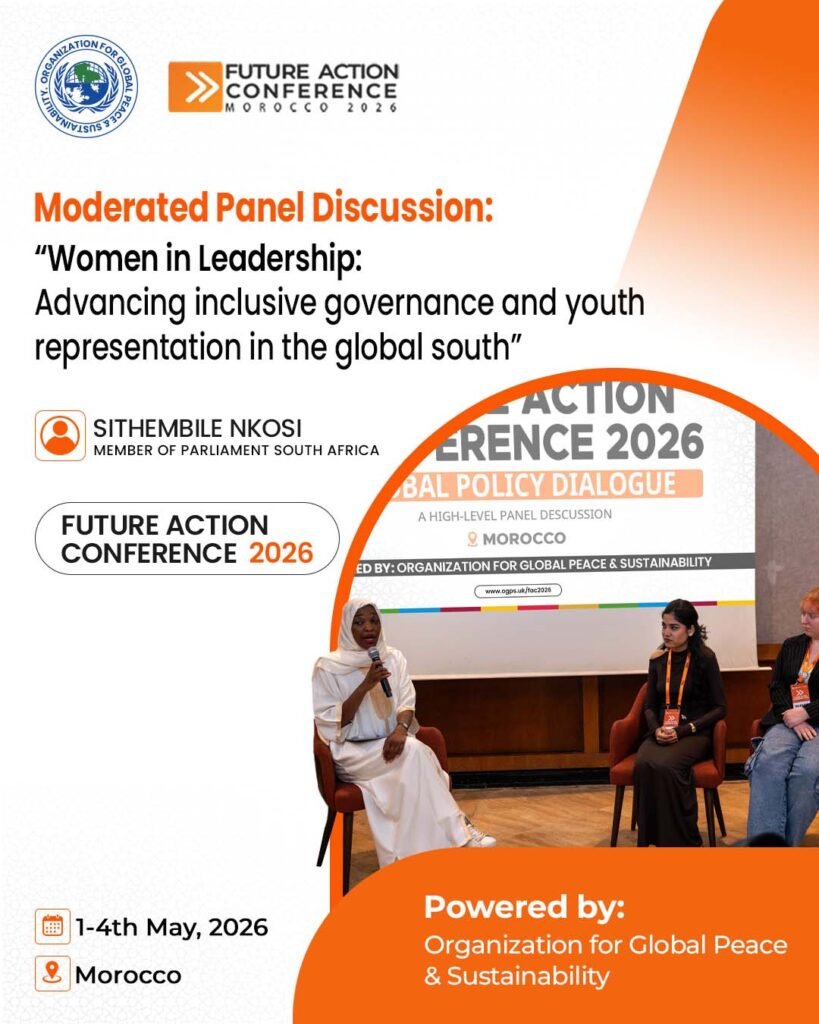
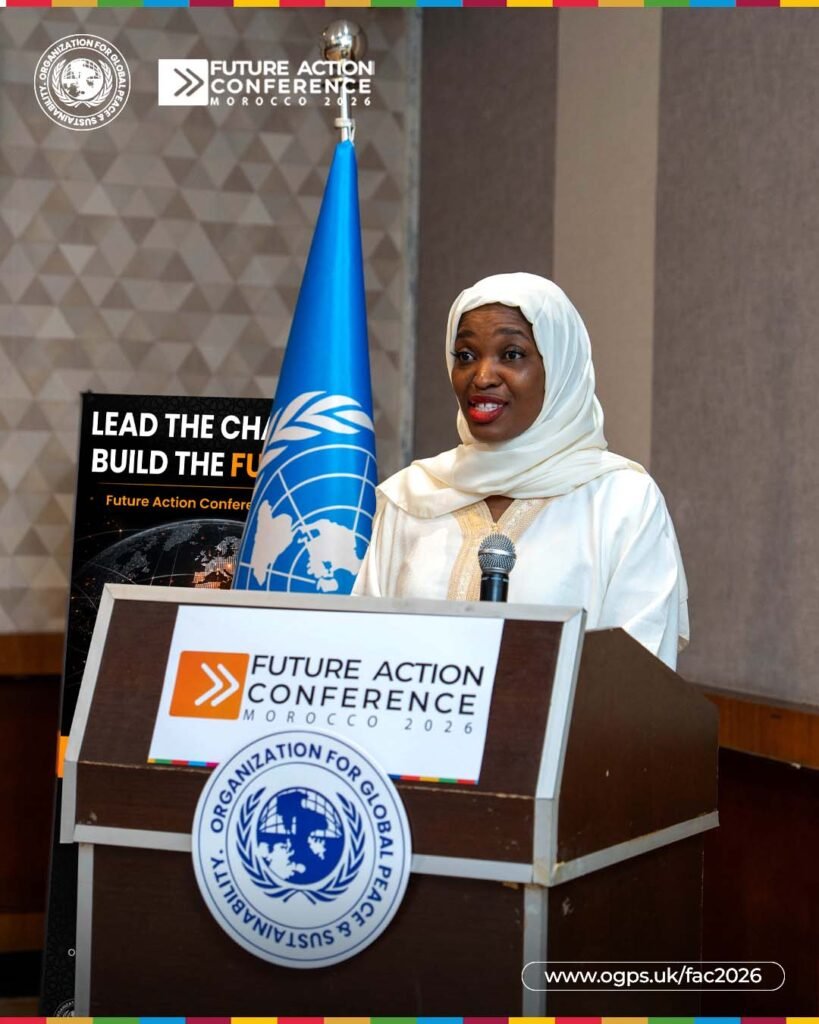
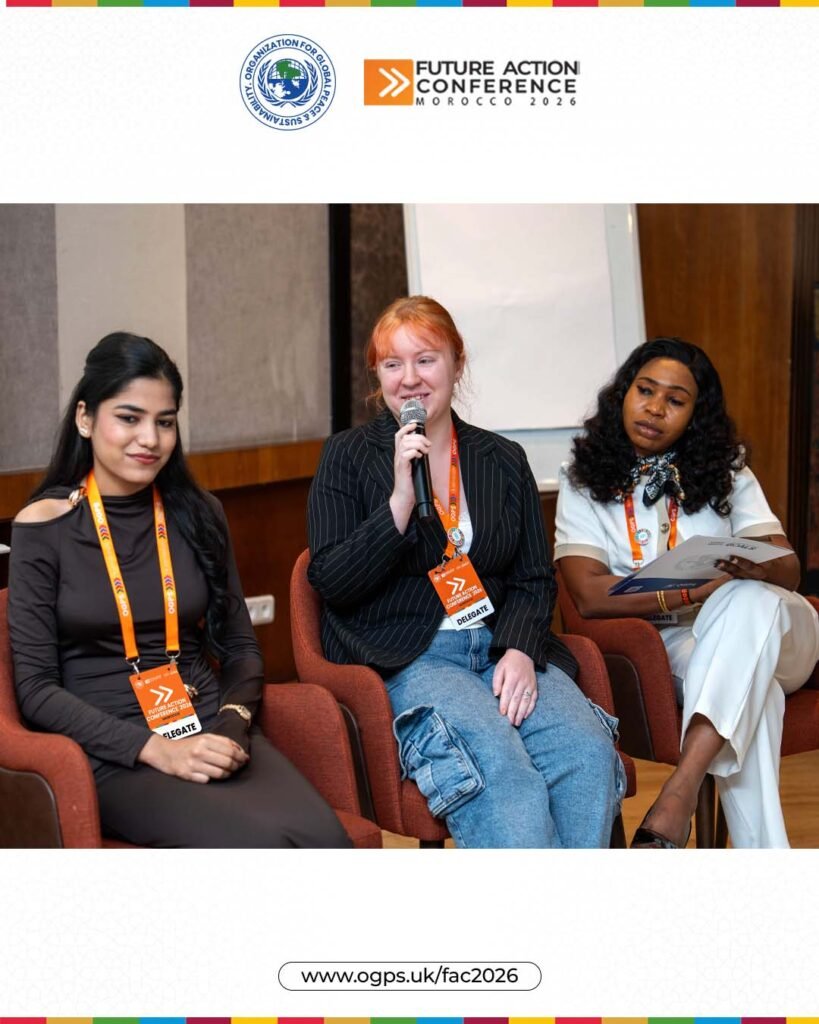
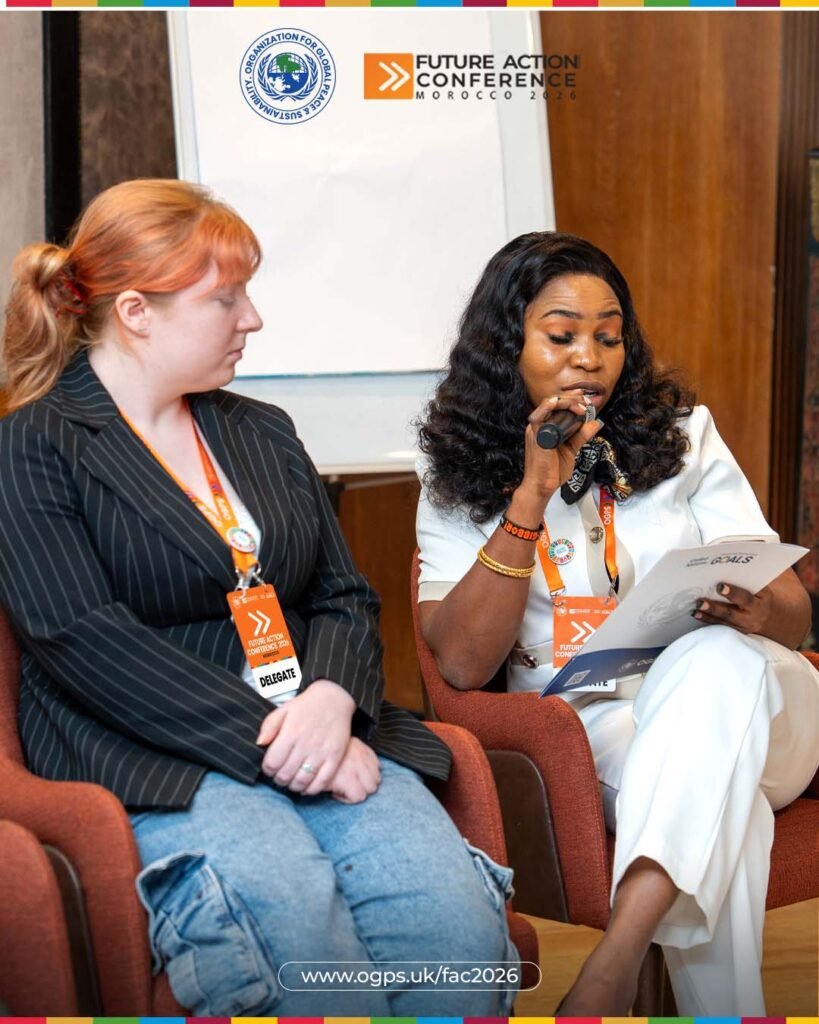
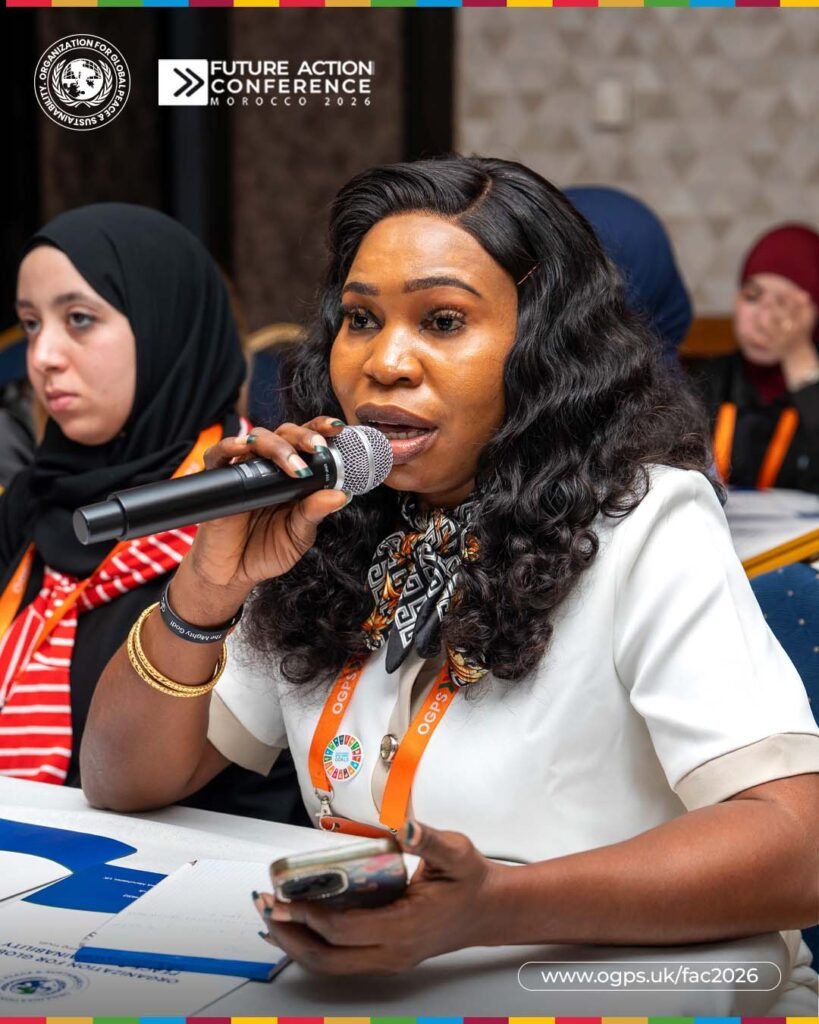
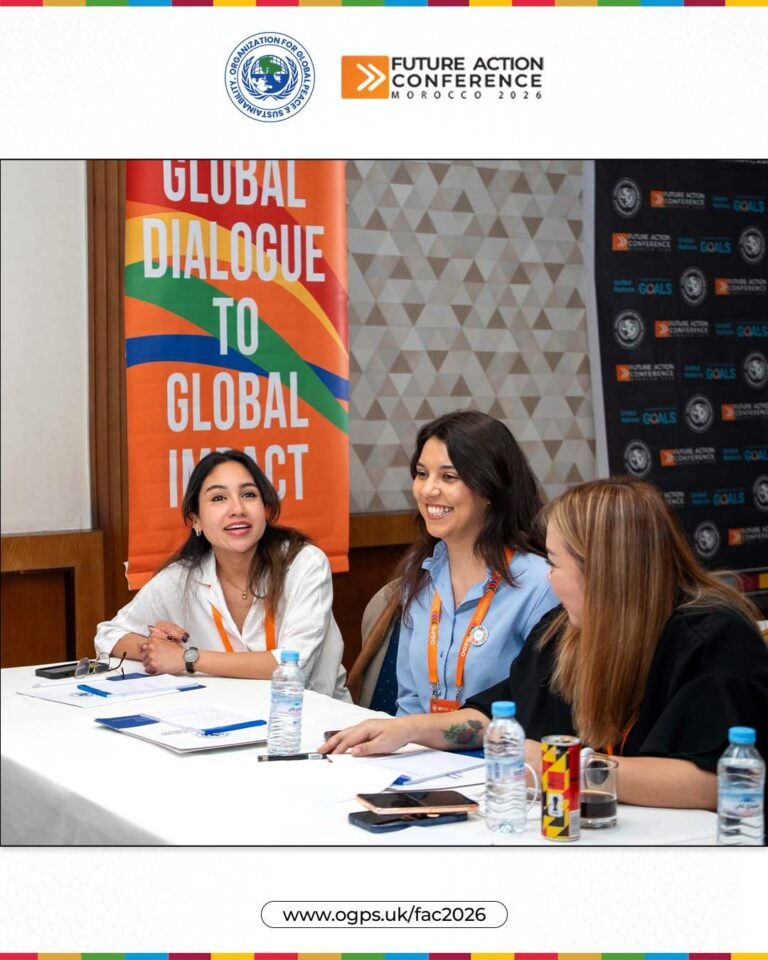
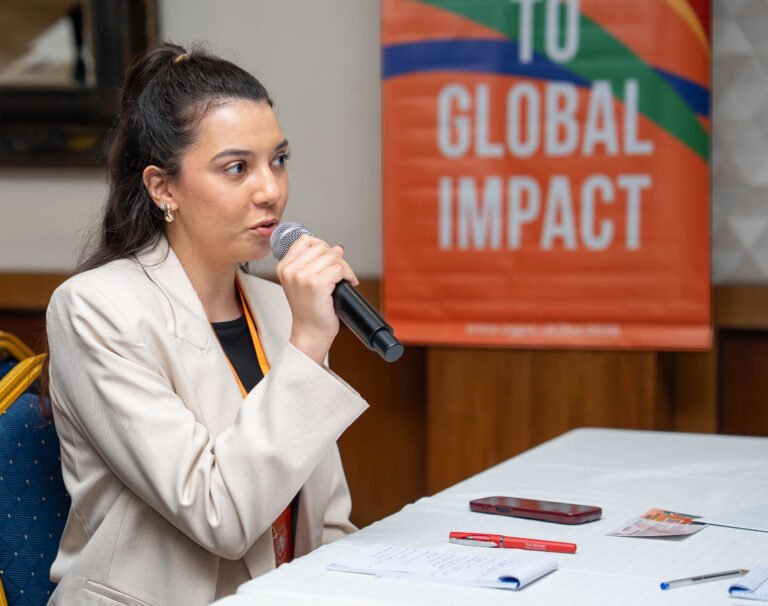
One of the most powerful sessions of FAC 2026, this moderated panel discussion brought a serving Member of Parliament to the floor. Sithembile Nkosi spoke candidly about her journey in politics, the structural barriers women face in governance across the Global South, and why youth representation is not a future ambition — it is an urgent present need. What made this session truly memorable was the addition of three delegate panellists, chosen from among the participants themselves — transforming the discussion from a talk about youth into a conversation led by youth. The room left
charged, challenged, and ready to act.
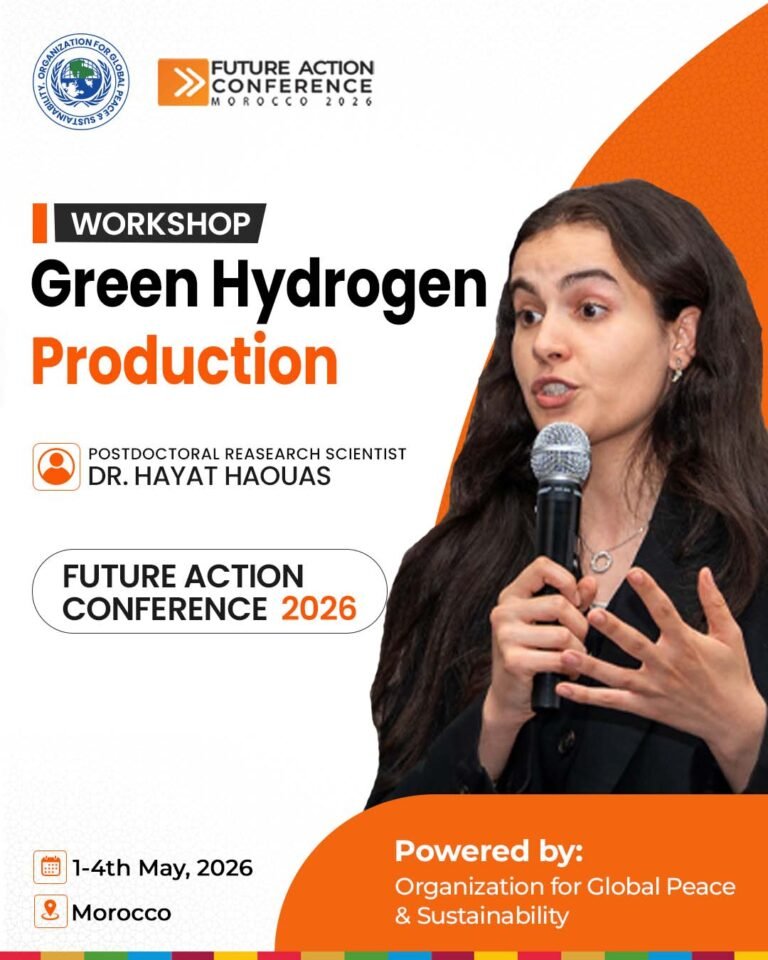
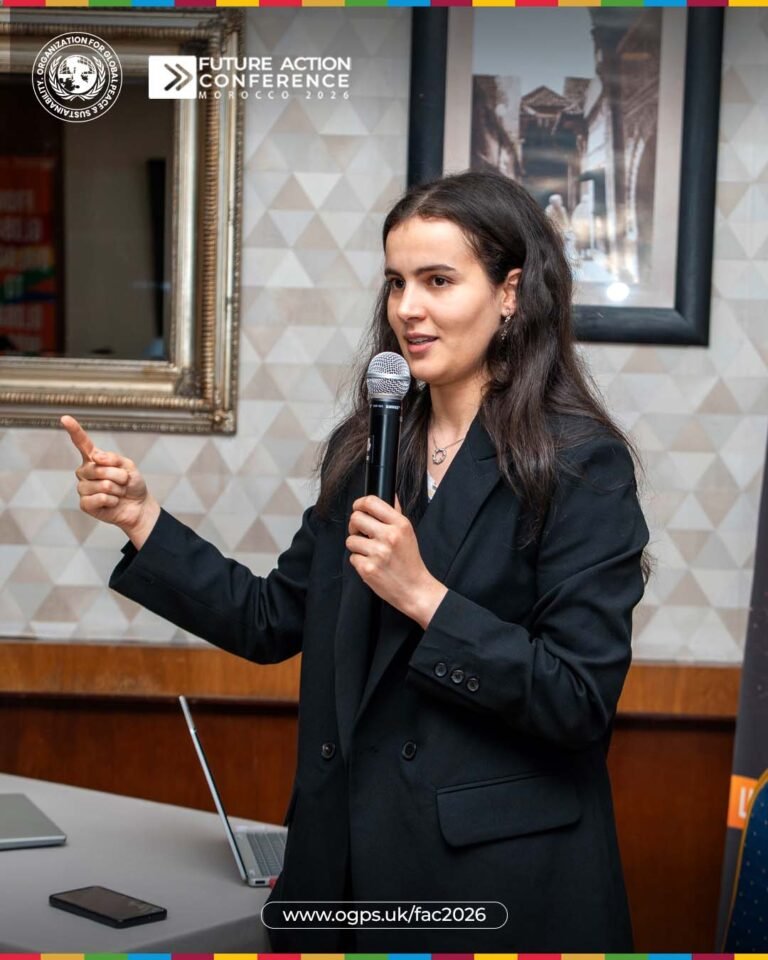
Dr. Hayat Haouas delivered a technically rich yet accessible workshop on one of the most exciting frontiers in clean energy — green hydrogen. Delegates explored how hydrogen can be produced from renewable sources, its potential to decarbonize industries that solar and wind cannot reach alone, and the scientific breakthroughs currently shaping its future. The session gave delegates a credible grounding in the energy transition conversation — one they can carry into policy, advocacy, and career spaces alike.
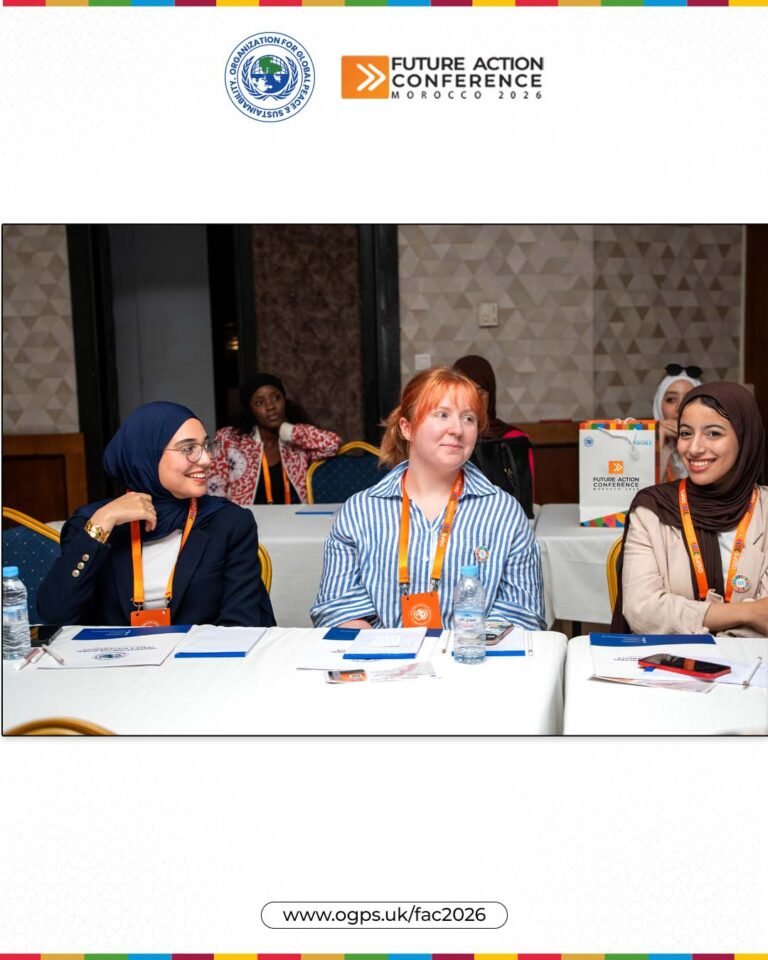


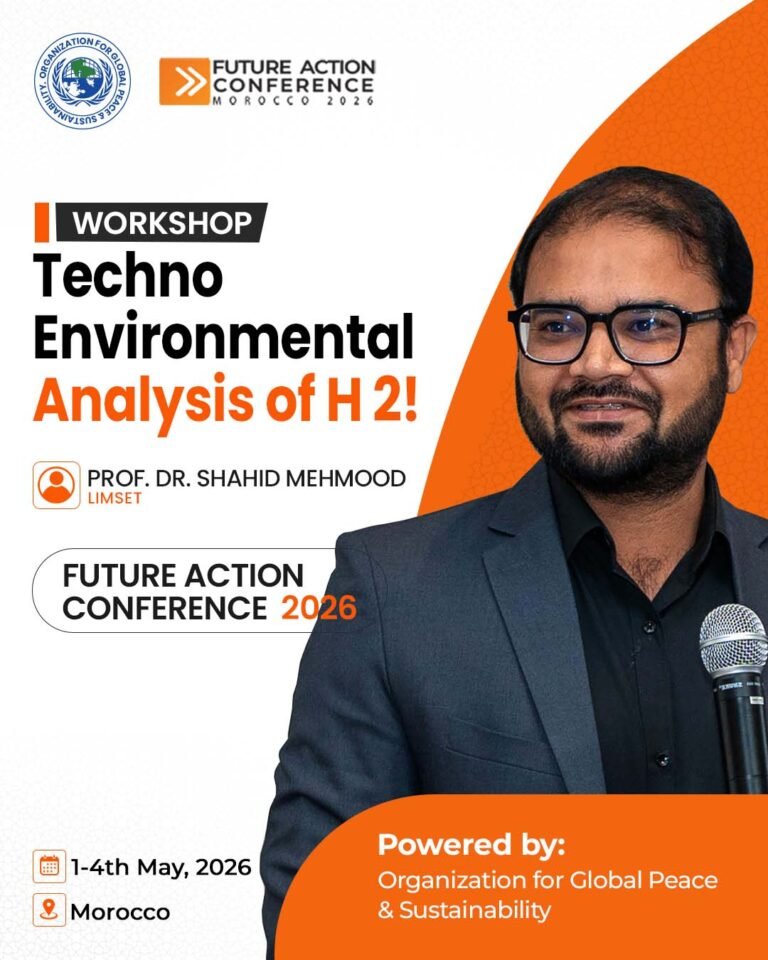
Building on the green hydrogen session, Prof. Dr. Shahid Mehmood brought a rigorous techno- environmental lens to hydrogen production. Delegates examined the full lifecycle of H₂ production methods — analysing their environmental costs, efficiency trade-offs, and long-term sustainability. The session challenged participants to think like scientists and policymakers simultaneously, asking not just can we produce it, but at what cost to the planet, and is it truly worth it.
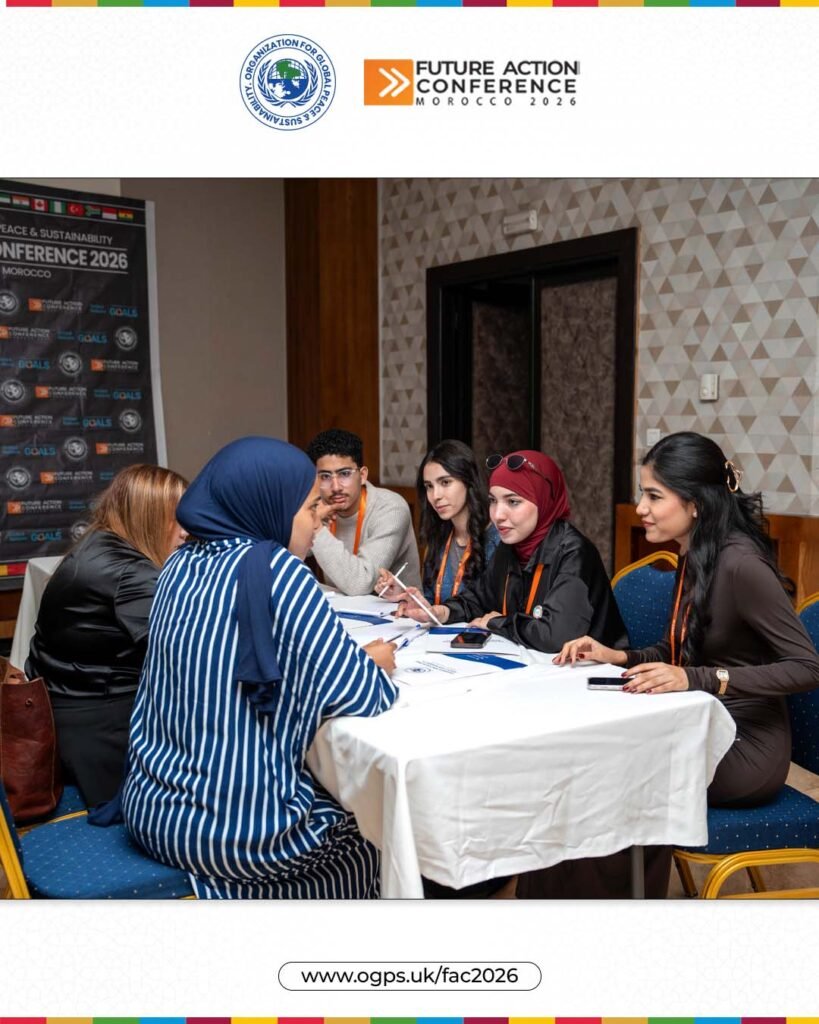
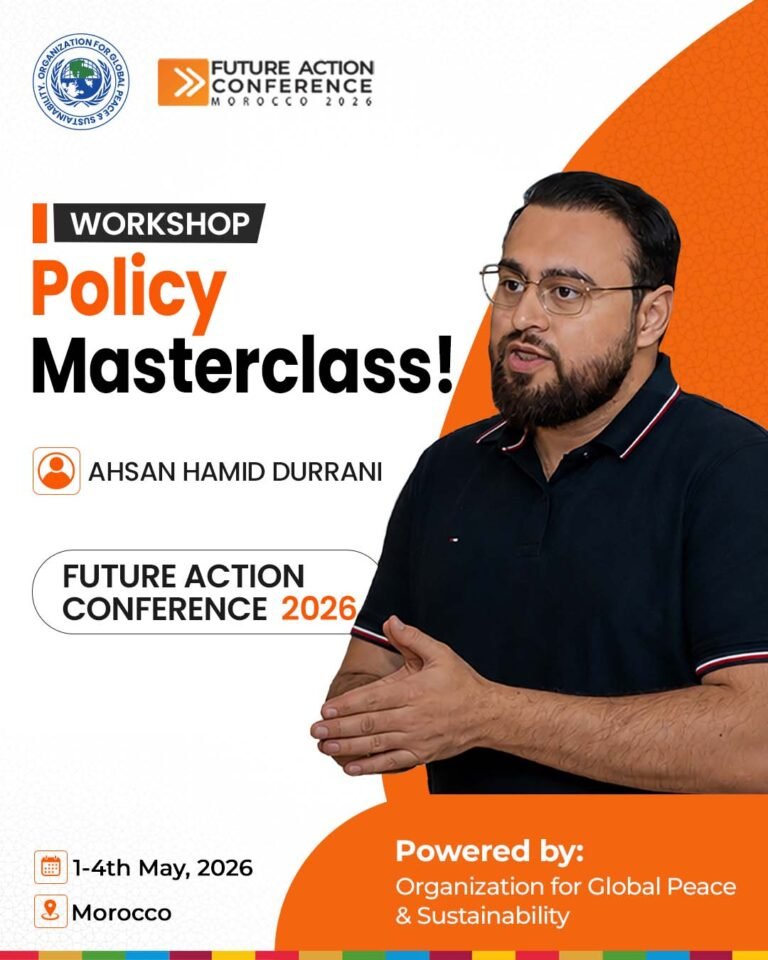
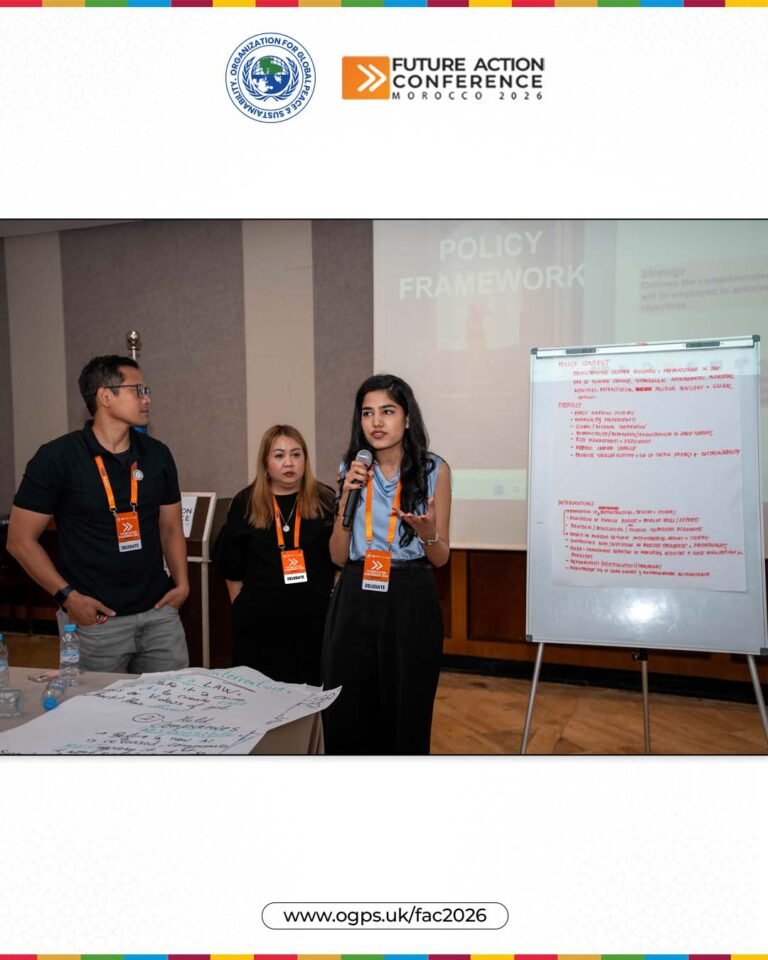
The Policy Masterclass was a hands-on deep dive into how policy is actually made, challenged, and implemented. Ahsan Hamid Durrani walked delegates through the architecture of effective policy — from identifying a problem worth solving, to navigating institutions, stakeholders, and political realities. Participants engaged in live exercises that put them in the seat of a policymaker, leaving with both the vocabulary and the strategic thinking to engage meaningfully in governance spaces.


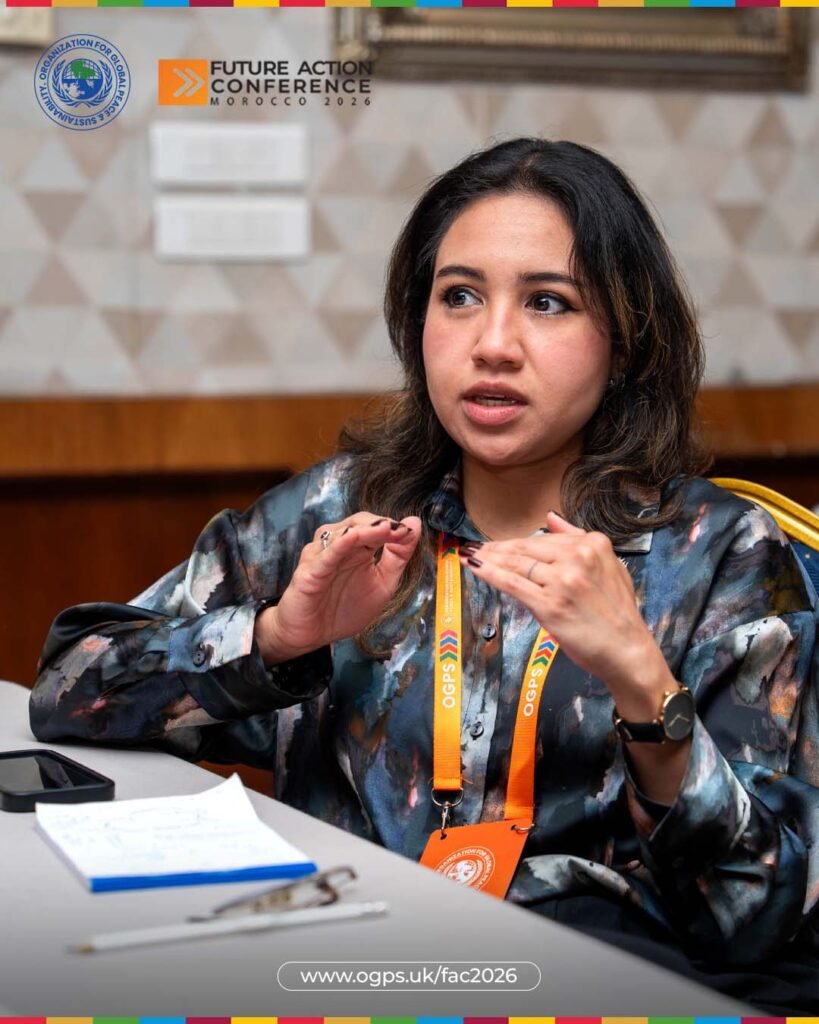
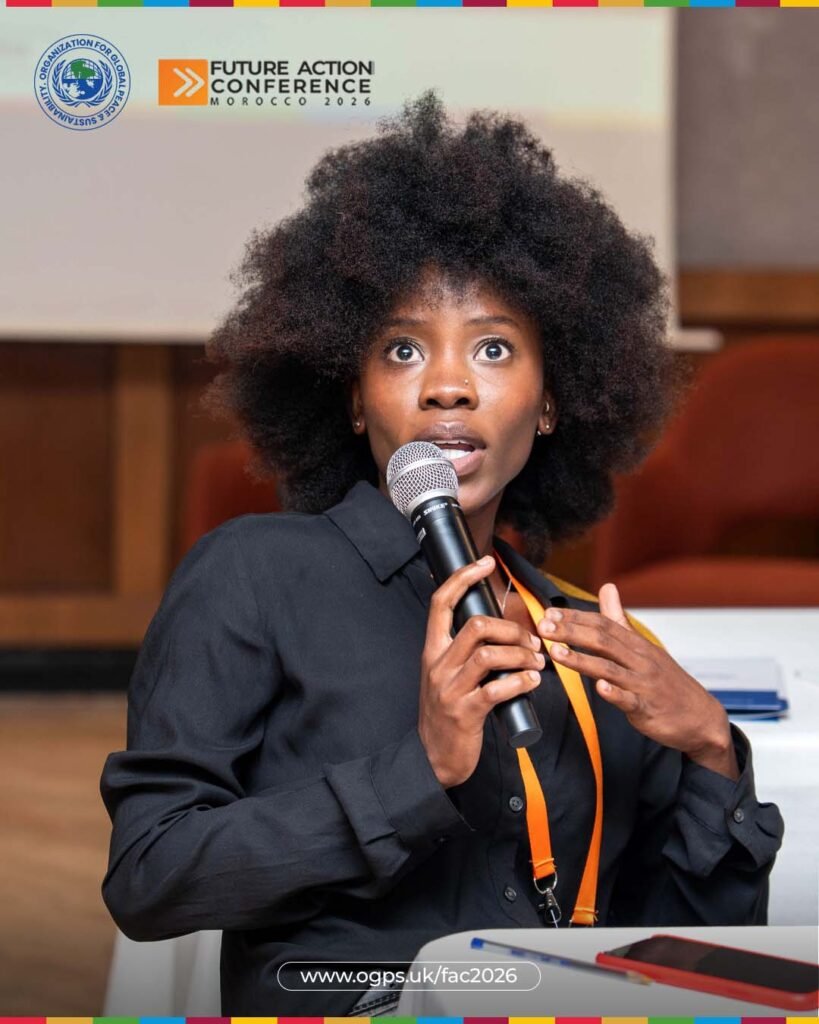
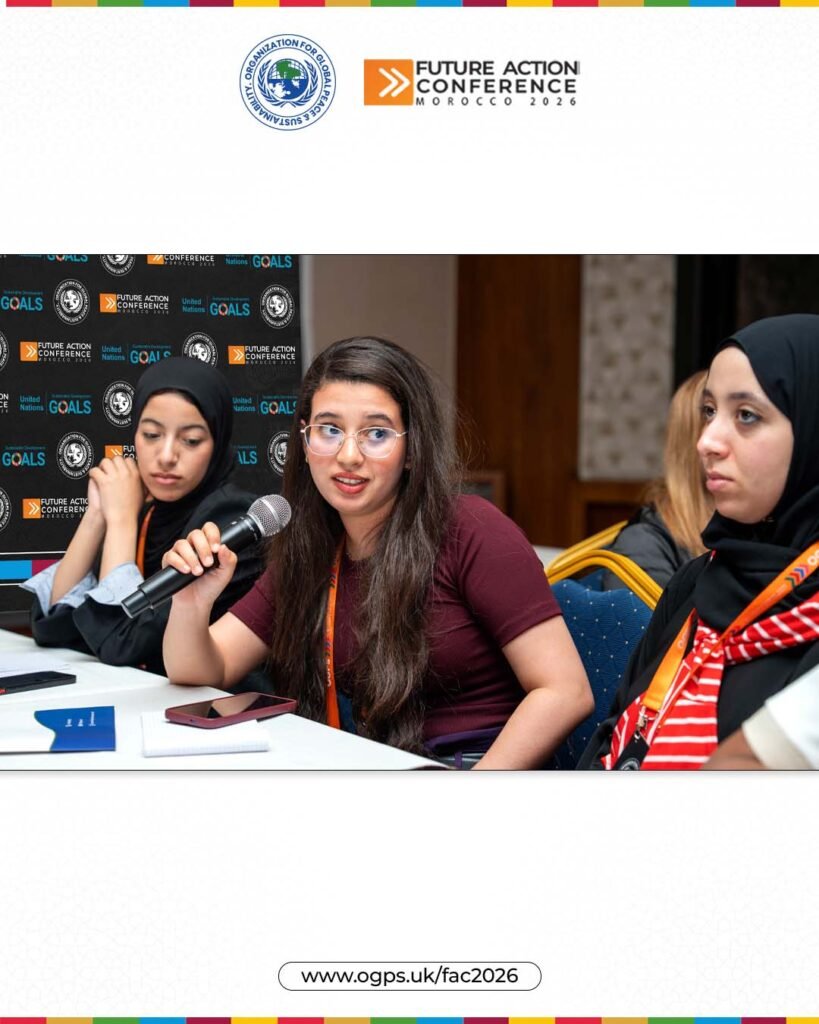
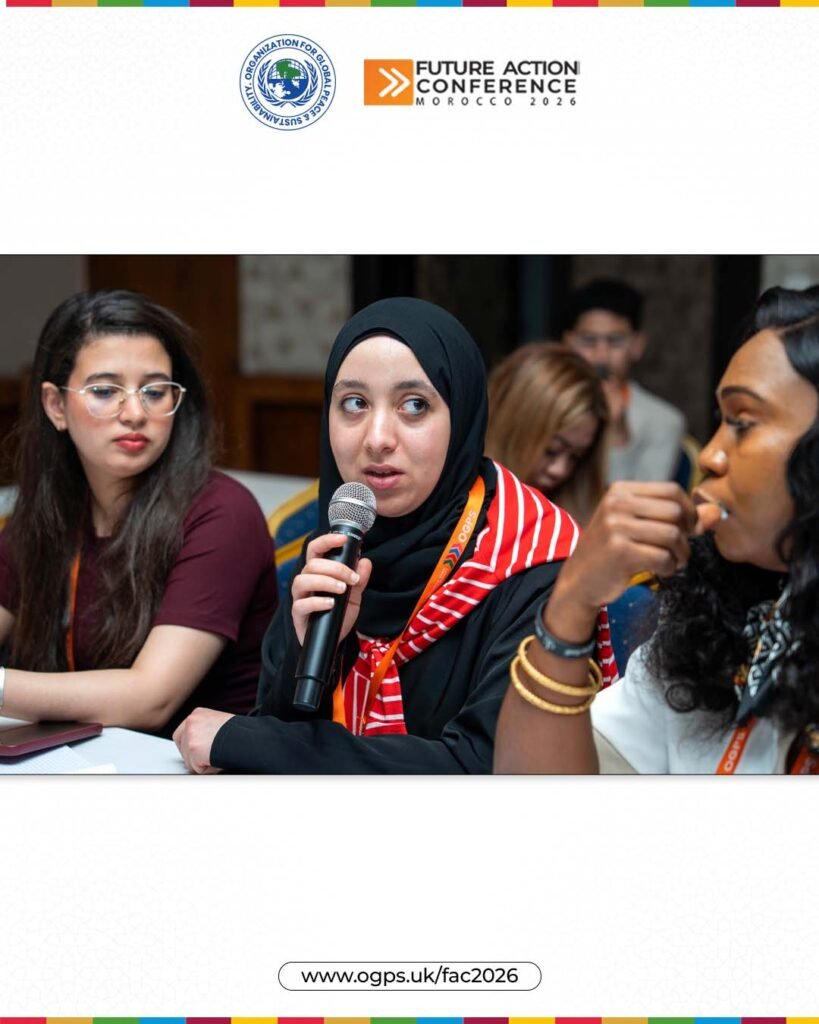
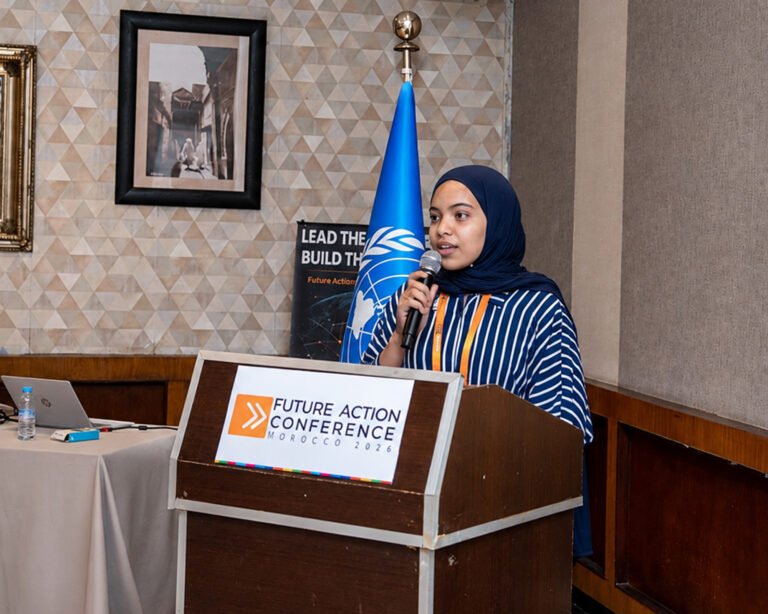
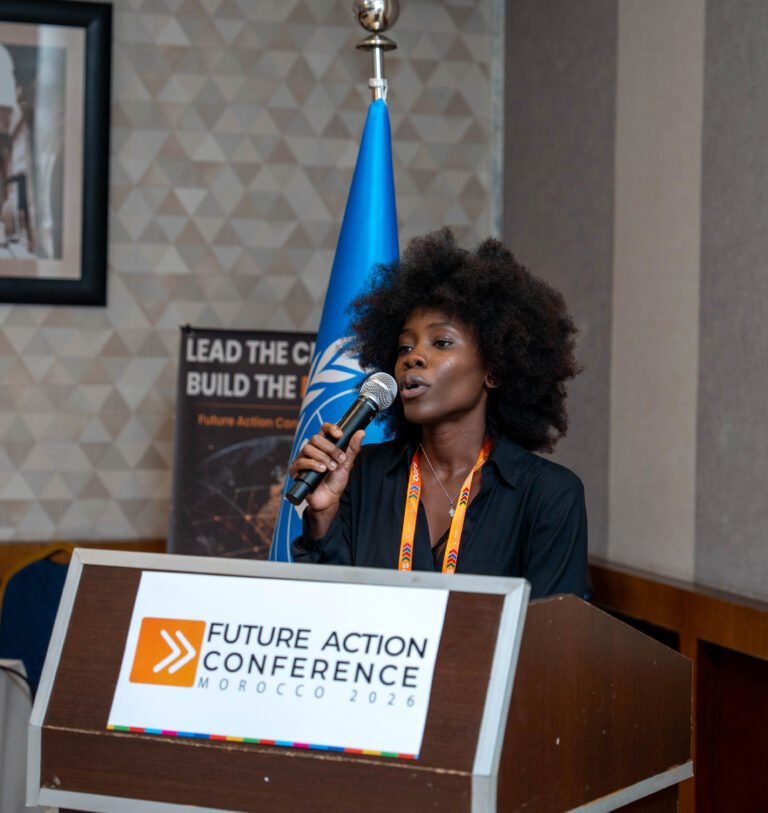
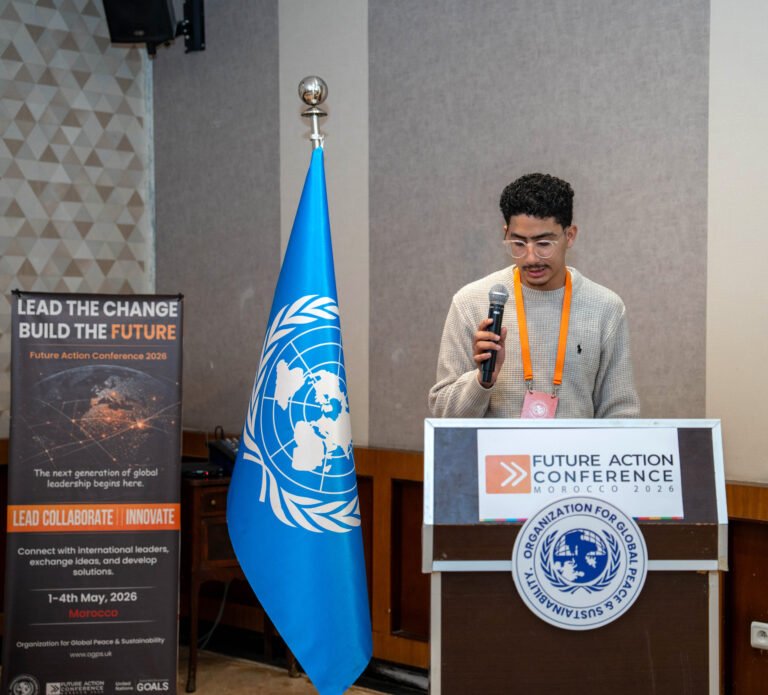
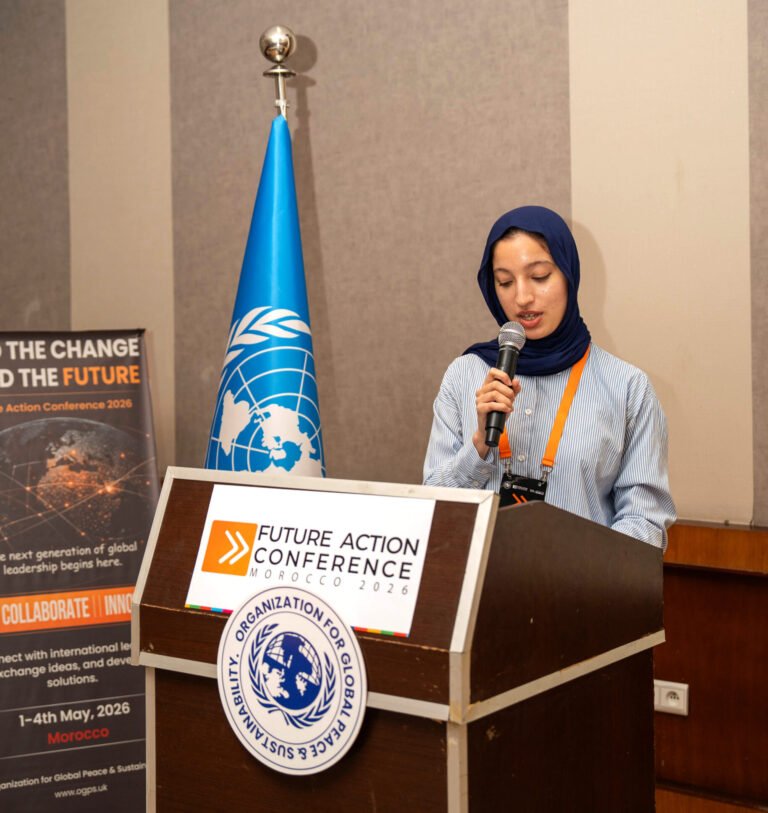
One of the most resonant moments of FAC 2026, the Youth Delegate Statements segment gave selected participants a dedicated platform to speak. Delegates stepped forward to present policy insights, share original research, and voice advocacy experiences on global issues — from climate
justice to governance reform to community-led development. These were not rehearsed
performances. They were real voices, shaped by real experience, speaking to a room that listened. The segment stood as a powerful reminder that the expertise in the room was not limited to the
stage.

FAC 2026 was just the beginning. Stay connected with OGPS for upcoming opportunities,events, and youth programmes.
Building Peace.
Empowering Youth.
Advancing the SDGs
2026 © All rights reserved by OGPS
Need Help?